10 Common House Painting Mistakes and How to Avoid Them


Introduction to Common House Painting Mistakes
Painting your home can be a rewarding project, but it’s easy to make mistakes that can lead to a less-than-perfect finish. Knowing what to avoid can save you time, money, and frustration. Here, we discuss 10 common house painting mistakes and how you can avoid them.
Poor Surface Preparation
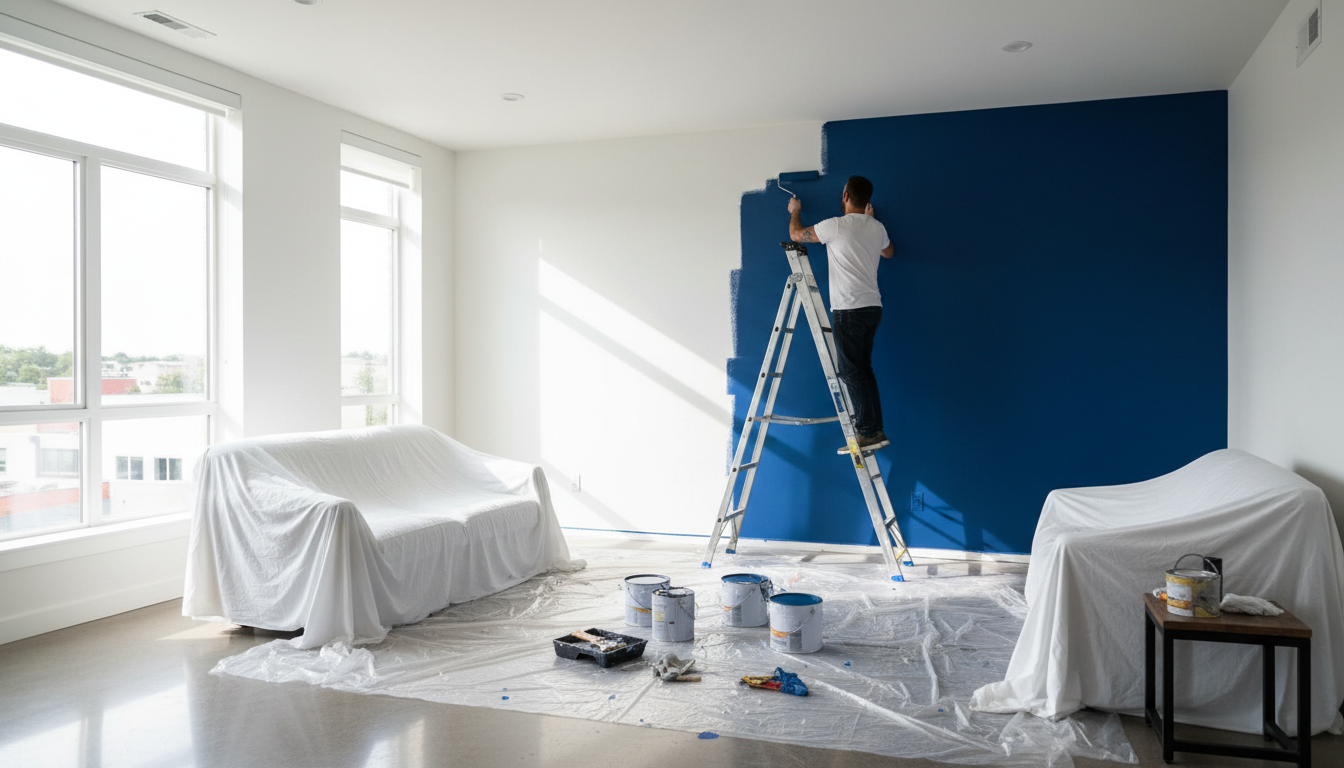
One of the most common mistakes is neglecting proper surface preparation. Paint won’t adhere well to dirty or rough surfaces. To avoid this, ensure all surfaces are clean and smooth before you start painting. Sand down any rough areas and wash off dirt and grease for a clean canvas.
Additionally, repairing any holes or cracks is crucial. Fill them with the appropriate filler and sand down once dry. This will help create an even surface for the paint to adhere to.
Using the Wrong Type of Paint
Choosing the right paint is essential for a quality finish. Using the wrong type of paint can lead to peeling and fading. Always consider the surface and location you are painting. For example, use exterior paint for outdoor surfaces and interior paint for indoor areas.
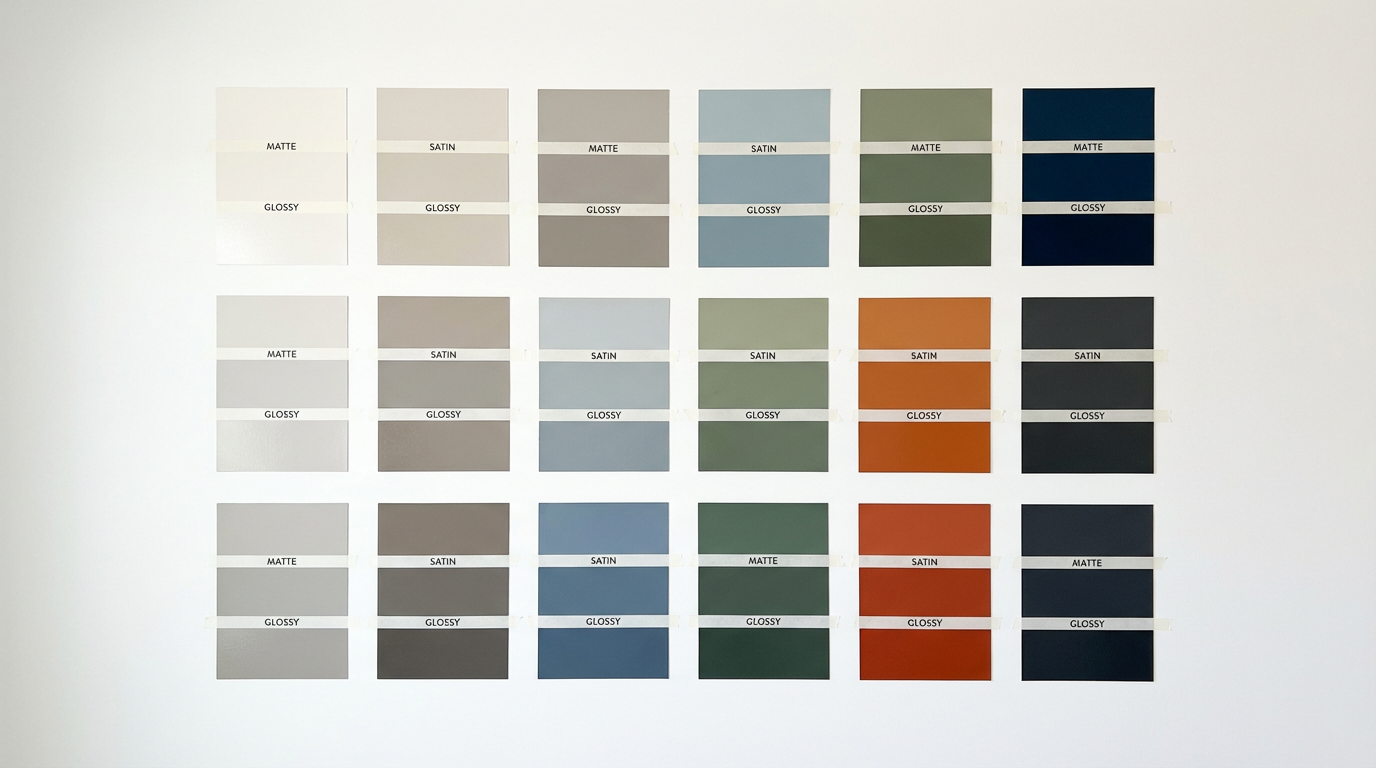
Additionally, consider the finish you desire. A matte finish may look great in some areas, while a gloss finish might be better suited for others. Doing some research or consulting with a paint specialist can help you make the right choice.
Skipping Primer
Primer is vital for ensuring paint adheres properly and lasts longer. Skipping this step can lead to uneven coverage and peeling. Always apply a primer to new surfaces or where you’re making a drastic color change.
If you’re painting over dark colors or stained surfaces, a primer can help cover these imperfections, ensuring your final coat looks even and true to color.
Overloading the Brush or Roller
Applying too much paint at once can lead to drips and uneven coats. Avoid this by not overloading your brush or roller. Dip just the tip of the brush and let excess paint drip off before applying. With rollers, roll off the excess on the tray before applying to the wall.
It’s better to apply several thin layers rather than one thick one. This ensures a smoother and more durable finish.
Ignoring Weather Conditions
Weather can significantly affect your painting project. Painting in high humidity or extreme temperatures can affect how paint dries. Always check the weather forecast before starting an outdoor painting project.

For indoor painting, ensure proper ventilation and temperature control to aid the drying process. Following manufacturer recommendations for ideal conditions can prevent issues like blistering and uneven drying.
Conclusion
Avoiding these common house painting mistakes can transform your painting project from a potential disaster into a resounding success. By preparing surfaces, choosing the right materials, and paying attention to application techniques, you can achieve a beautiful, professional-looking finish that enhances your home’s appearance.