10 Expert Tips for Preparing Your Home for a Professional Paint Job


Clear the Area
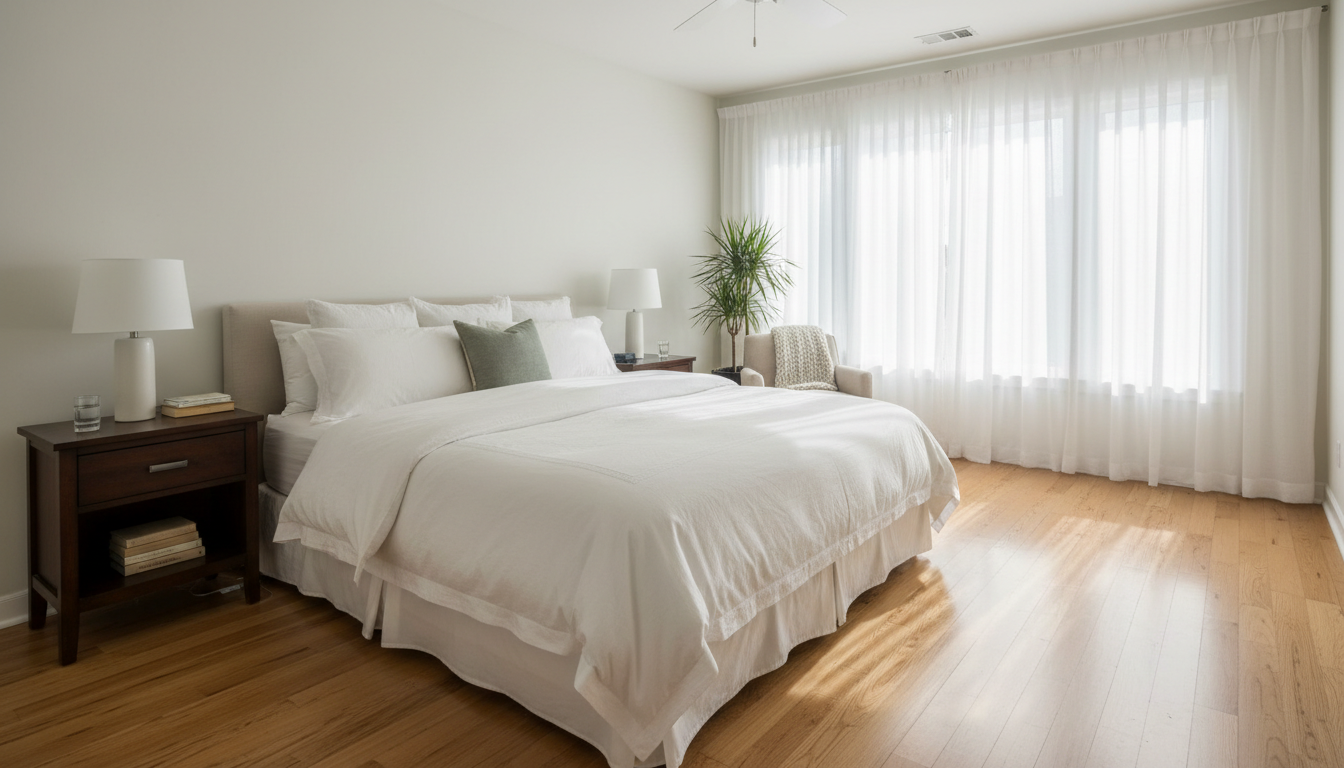
Before starting a professional paint job, it's essential to clear the area to ensure a smooth process. Remove all furniture, wall hangings, and decorations. If space is limited, move everything to the center of the room and cover it with a drop cloth.
Clearing the area not only protects your belongings but also gives painters easy access to the walls. This preparation step can significantly impact the quality and efficiency of the paint job.
Repair Any Damage
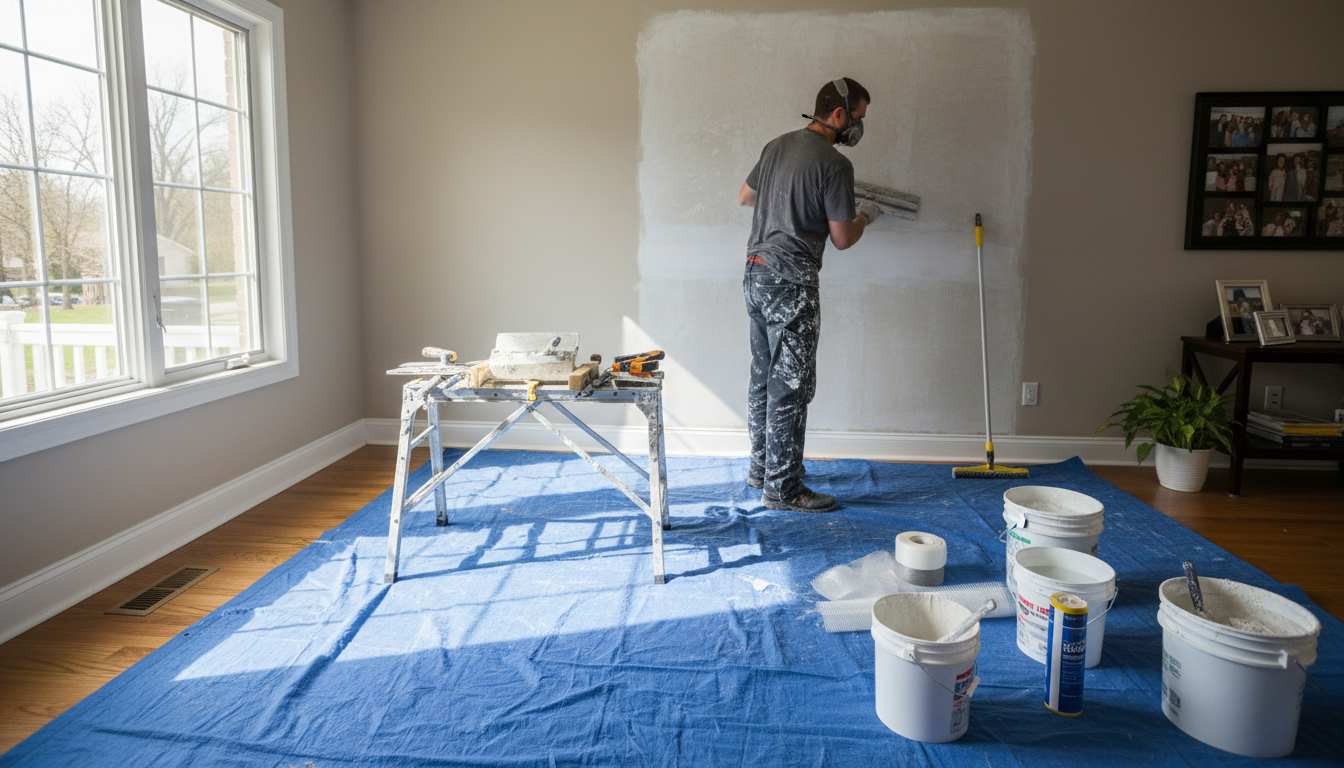
Inspect your walls for any signs of damage such as cracks, holes, or peeling paint. Repair these imperfections before painting begins. Use spackling paste for small holes and cracks, sand the area smooth, and then prime it to ensure the new paint adheres properly.
For larger repairs, consider hiring a professional to ensure everything is fixed correctly. This ensures a seamless finish and prevents future issues.
Choose the Right Paint
Choosing the right paint is crucial for achieving the desired look and durability. Consider the room's purpose when selecting your paint type and finish. For high-traffic areas, opt for a more durable, washable paint. Matte finishes work well in living rooms and bedrooms, while semi-gloss is ideal for kitchens and bathrooms.
Don't forget to test paint samples on your walls to see how they look at different times of the day. This will help you make an informed decision.
Protect Floors and Fixtures
Protecting your floors and fixtures is vital. Use drop cloths or plastic sheeting to cover the floors and tape them down to prevent slipping. Remove outlet covers, switch plates, and any other fixtures that might get in the way.
Wrap doorknobs and other non-removable fixtures with painter's tape to keep them paint-free. This attention to detail will save time and effort during cleanup.
Communicate with Your Painter
Effective communication with your painter is key to a successful project. Discuss your expectations, color choices, and any specific concerns you might have. This ensures that both parties are on the same page and can work toward a common goal.
Keep an open line of communication throughout the process, and don't hesitate to ask questions or request updates.
Ensure Proper Ventilation
Proper ventilation is crucial during a paint job to ensure safety and quick drying. Open windows and doors to allow fresh air to circulate. If necessary, use fans to improve airflow.
This step not only helps in drying the paint quickly but also reduces the risk of inhaling fumes, ensuring a healthier environment for everyone involved.
Plan for Pets and Children
If you have pets or children, plan accordingly to keep them safe and out of the work area. Consider arranging for them to stay with family or friends during the painting process.
Keeping the area clear of distractions allows painters to work efficiently and reduces the risk of accidents.

Finalize the Details
Before the painting starts, finalize all the details with your painter. Confirm the start date, duration, and any specific requirements you have. Make sure you have a written agreement outlining the scope of work and payment terms.
Being thorough in the planning stage ensures a smooth and stress-free painting experience, resulting in a beautifully transformed space.