5 Common House Painting Mistakes and How to Avoid Them


Introduction to Common Painting Mistakes
Painting your home can be an exciting yet daunting task. While a fresh coat of paint can transform a space, several common mistakes can lead to frustration and subpar results. In this post, we'll explore five common house painting mistakes and provide tips on how to avoid them.
Skipping Surface Preparation
One of the most common mistakes is neglecting proper surface preparation. Without cleaning and sanding the walls, paint may not adhere correctly, leading to peeling and uneven finishes. It's essential to thoroughly wash and sand the surfaces before applying any paint.
How to Prepare Surfaces
Start by cleaning the walls with a mild detergent to remove dirt and grease. Follow up with sanding to smooth out any imperfections. Use a primer to ensure better paint adhesion and a smoother finish.
Choosing the Wrong Paint
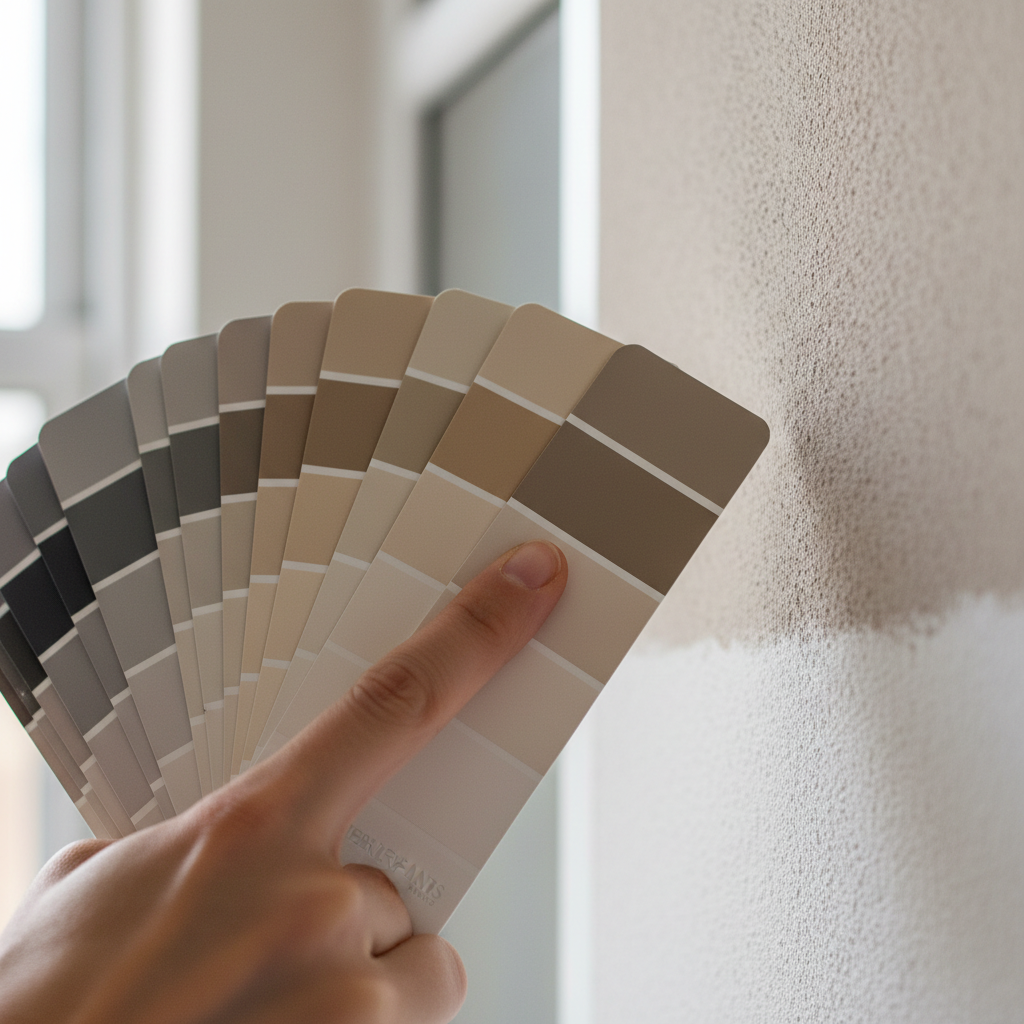
Selecting the wrong type of paint can lead to unexpected results. It's crucial to consider the room's purpose and conditions when choosing paint. For instance, high-moisture areas like bathrooms require mildew-resistant paint.
Understanding Paint Types
There are various types of paints, including latex and oil-based. Latex paint is ideal for most indoor applications due to its quick drying time and easy cleanup. Oil-based paints are more durable, making them suitable for trim and high-traffic areas.
Ignoring Proper Tools
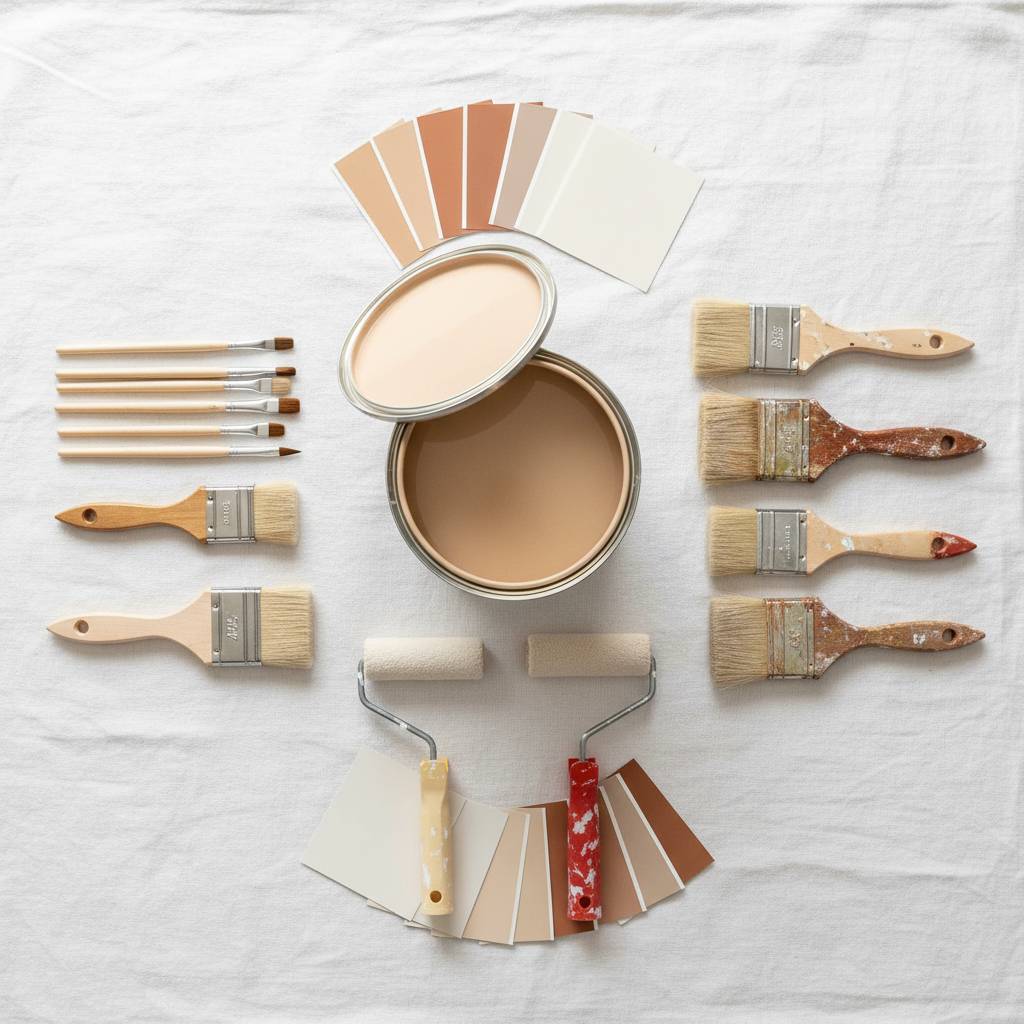
Using the wrong tools can make painting more difficult and affect the final result. Investing in quality brushes and rollers can make a significant difference in the application process and the overall finish.
Essential Painting Tools
Ensure you have a variety of brushes for detailed work and rollers for larger surfaces. Choose rollers with the appropriate nap length for the texture of your walls. High-quality tools not only save time but also produce a more professional finish.
Overloading the Brush or Roller
Applying too much paint on your brush or roller can lead to drips and uneven coats. It's important to apply paint in thin, even layers for a smoother and more consistent appearance.
Proper Paint Application
Dip your brush or roller into the paint only about a third of the way and tap off excess paint. Use even strokes to spread the paint over the surface, and allow each coat to dry fully before applying the next.
Neglecting Cleanup
Proper cleanup is often overlooked but is crucial for maintaining your painting tools and ensuring the longevity of your results. Failing to clean brushes and rollers can lead to hardened bristles and reduced tool lifespan.
Cleaning and Storing Tools
After painting, clean brushes with soap and water for latex paint or mineral spirits for oil-based paint. Store them properly to keep bristles in good condition. A well-maintained set of tools will be ready for your next project.