Avoid These Common House Painting Mistakes: Expert Advice


Preparation is Key
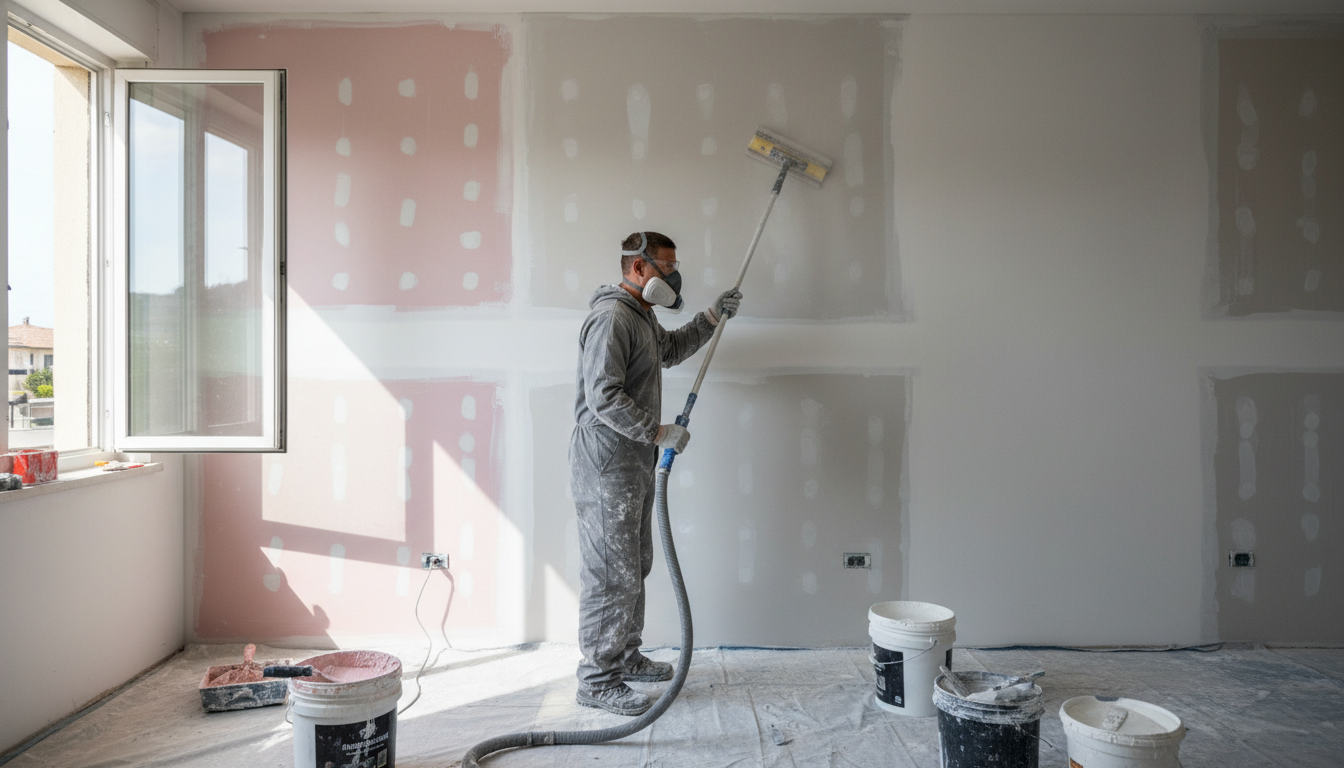
One of the most common mistakes in house painting is neglecting proper preparation. Skipping this step can lead to uneven finishes and paint that doesn't adhere properly. Begin by thoroughly cleaning the walls to remove dust, dirt, and grease. Use a mild detergent and rinse well.
After cleaning, inspect the walls for any cracks or holes. Fill these imperfections with a suitable filler and sand the surface until smooth. This ensures a flawless finish and helps the paint last longer.
Choosing the Wrong Paint
Selecting the appropriate type of paint for your project is crucial. With so many options available, it's easy to make a mistake. Consider the room's purpose and conditions. High-moisture areas like bathrooms and kitchens require mildew-resistant paints, whereas living rooms might benefit from washable, durable options.
Also, think about the finish. Glossy paints are easier to clean but can highlight imperfections, while matte finishes hide flaws but might be harder to maintain.
Ignoring Primer
Primer is often overlooked, but it plays a vital role in achieving a professional look. It helps the paint adhere better and ensures a uniform color. If you're painting over a dark or stained surface, using a primer is even more critical to prevent bleed-through.
Choose a primer that suits your paint type and the surface you're working on. This small step can make a significant difference in the final result.
Using the Wrong Tools
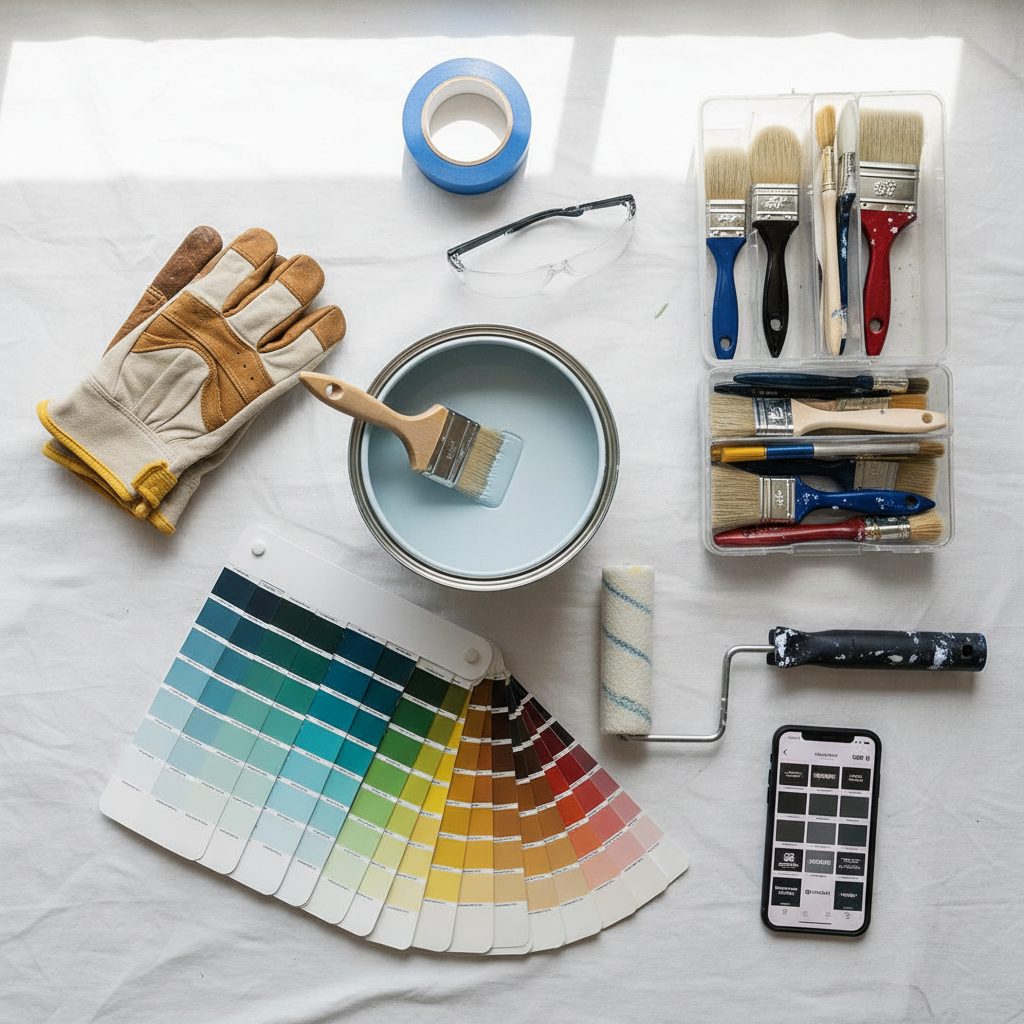
Investing in the right tools can save time and improve the quality of your work. Cheap brushes and rollers can leave streaks and lint on the walls. Opt for high-quality, appropriate-sized brushes and rollers to ensure smooth application.
When painting large areas, a roller extension can help you reach high spots without a ladder, making the job safer and more efficient.
Skipping the Sample Test
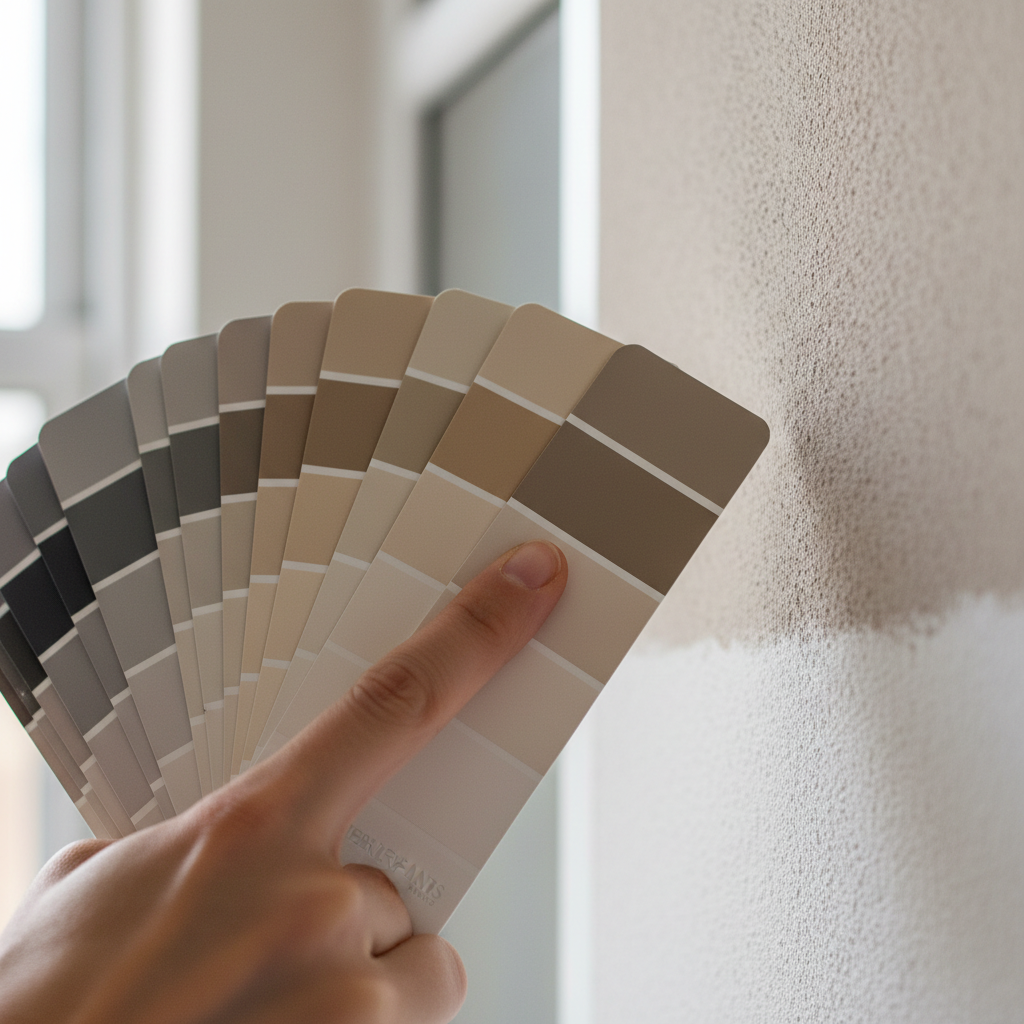
Always test your paint color before committing to a full wall. Lighting can significantly affect how a color looks in a room. Paint a small area and observe it at different times of the day to ensure you're satisfied with the choice.
This simple test can prevent disappointment and costly repaints, helping you achieve the desired look the first time around.
Applying Too Much Paint
It's a common mistake to apply thick coats of paint, thinking it will save time. However, this can lead to drips, uneven coverage, and longer drying times. Instead, apply multiple thin coats, allowing each layer to dry completely before adding the next.
This approach not only ensures a smooth finish but also enhances the durability of the paint job.
Neglecting Safety Measures
Finally, don't overlook safety while painting. Ensure the room is well-ventilated to avoid inhaling fumes. Use drop cloths to protect furniture and floors, and wear protective gear like goggles and masks if necessary.
By taking these precautions, you can avoid accidents and health issues, ensuring a safe and successful project.