Case Study: Transforming Your Home with Color


Introduction to Home Transformation with Color
Transforming your home with color is one of the most effective ways to refresh your living space without a complete overhaul. Whether you’re looking to create a warm, inviting atmosphere or a sleek, modern look, the right color palette can make all the difference.
Color has the power to influence mood, perception, and even the size of a room. By understanding the basics of color theory, you can make informed decisions that will enhance your home’s aesthetic and functionality.
Understanding Color Theory
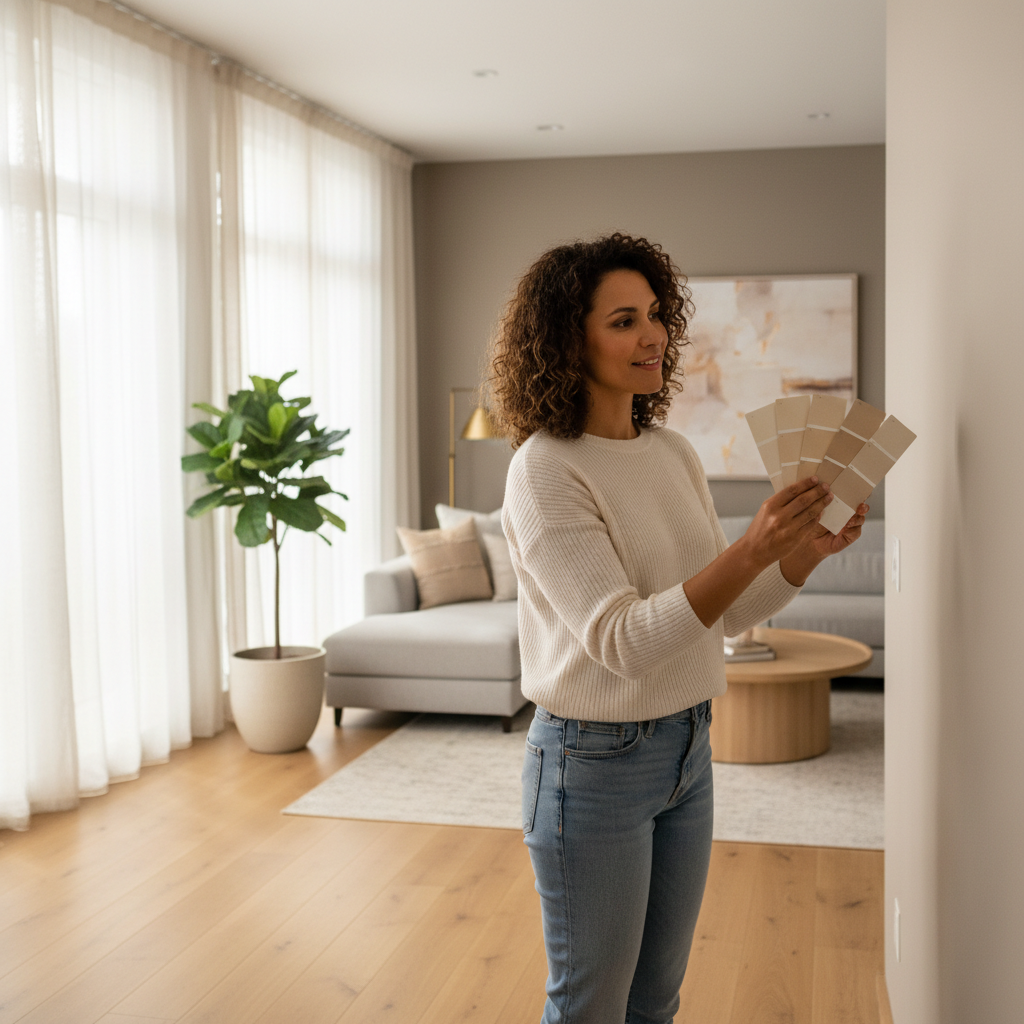
Color theory is the foundation of any successful design project. It involves understanding the color wheel, the relationships between colors, and how they interact with each other. The primary colors—red, blue, and yellow—are the building blocks for all other hues.
By combining these primary colors, you can create secondary colors such as green, orange, and purple. Tertiary colors are formed by mixing primary and secondary colors. Knowing these basics can help you choose a harmonious color scheme for your home.
Choosing the Right Color Palette
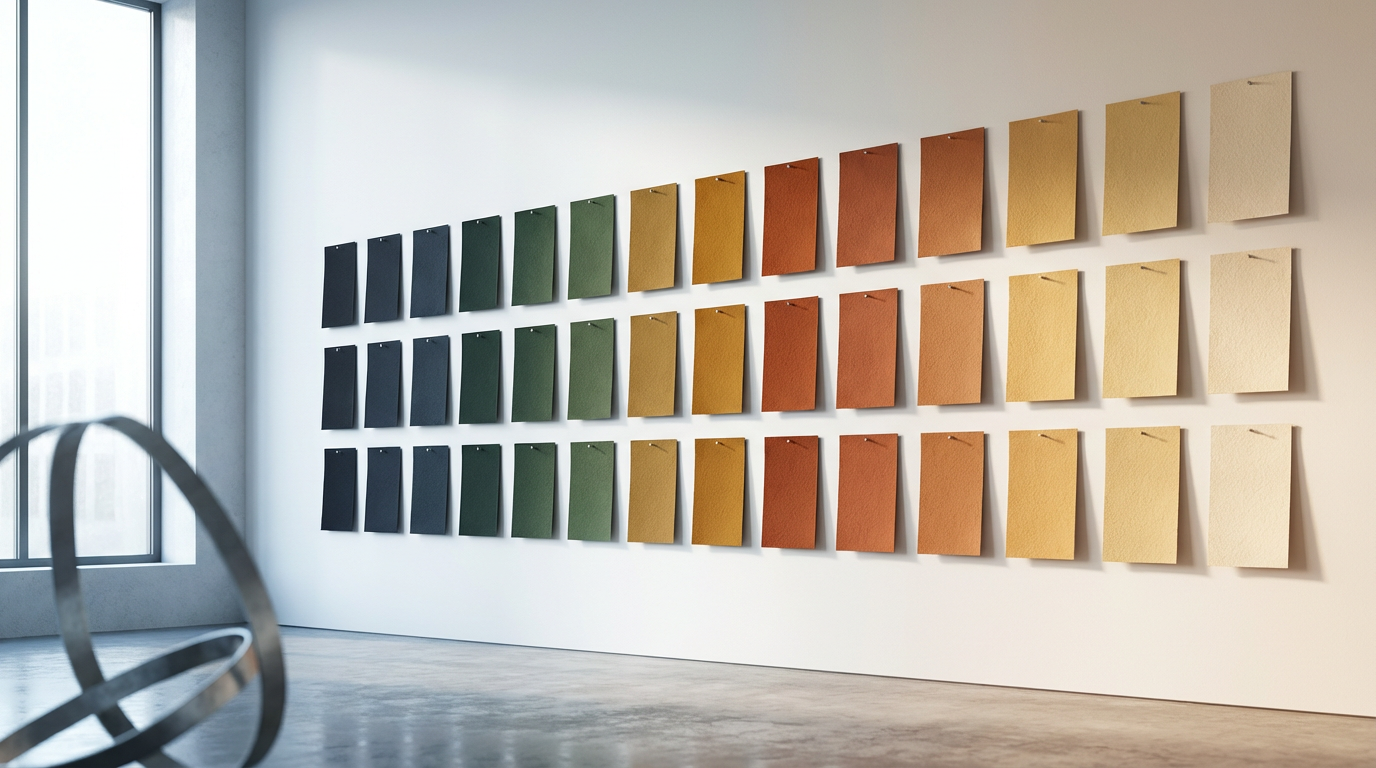
When selecting a color palette, consider the mood you want to create. Warm colors like reds, oranges, and yellows can make a space feel cozy and inviting, while cool colors like blues and greens can evoke a sense of calm and tranquility.
If you’re unsure where to start, consider using a color palette generator or consulting with a professional interior designer. They can help you identify complementary colors that work well together and suit your personal style.
Implementing Color in Different Rooms
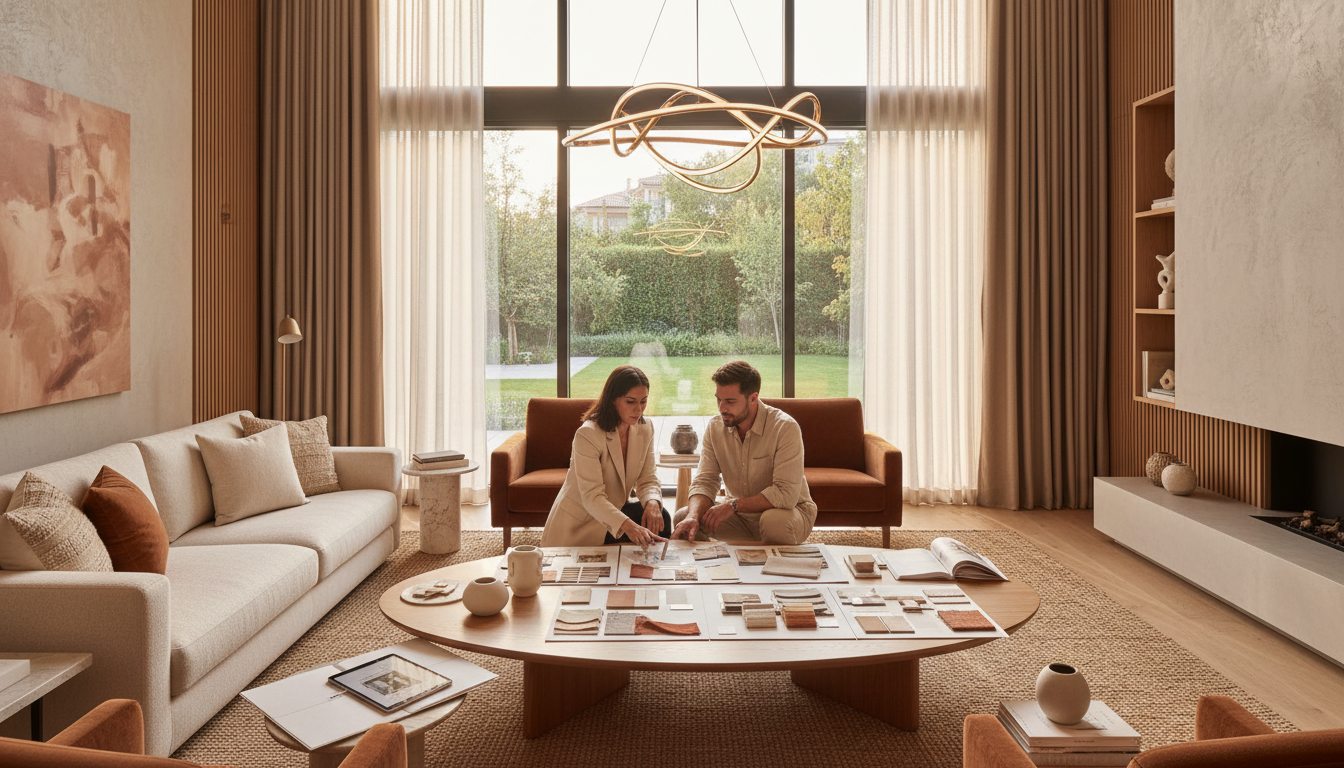
Each room in your home serves a different purpose, and the colors you choose should reflect that. For instance, a bedroom might benefit from soothing, muted tones that promote relaxation, while a home office could use energizing colors to boost productivity.
In living areas, consider using a neutral base with pops of color through accessories like cushions, rugs, and artwork. This approach allows for flexibility and easy updates as trends and personal tastes change.
The Impact of Natural Light
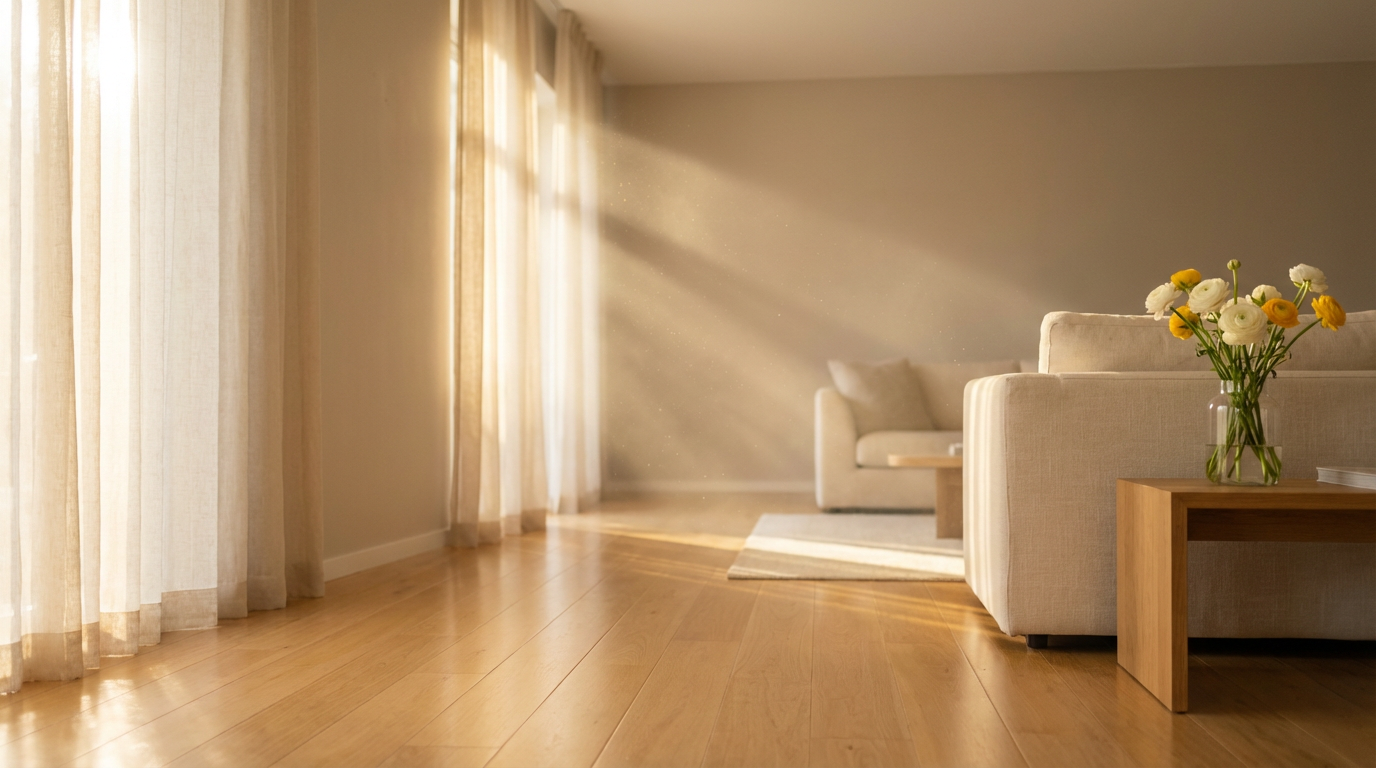
Natural light plays a crucial role in how colors appear in your space. South-facing rooms tend to receive warm, bright light that can enhance bold hues, while north-facing rooms may benefit from lighter, softer colors to prevent them from feeling too dark.
Experiment with samples and observe how they change throughout the day to make the best choice for your space.
Conclusion: Bringing It All Together
Transforming your home with color is a rewarding process that can significantly impact your living environment. By understanding color theory, selecting the right palette, and considering factors like room purpose and natural light, you can create a space that truly feels like home.
Whether you’re planning a full-scale renovation or a simple refresh, remember that color is a powerful tool in your design arsenal. Embrace the possibilities and let your creativity shine.