Common House Painting Mistakes and How to Avoid Them


Introduction
Painting your home can be an exciting yet daunting task. Whether you're revamping your living space or preparing to sell, a fresh coat of paint can make a significant difference. However, there are common mistakes that can turn your painting project into a nightmare. In this guide, we'll explore these pitfalls and how to avoid them.
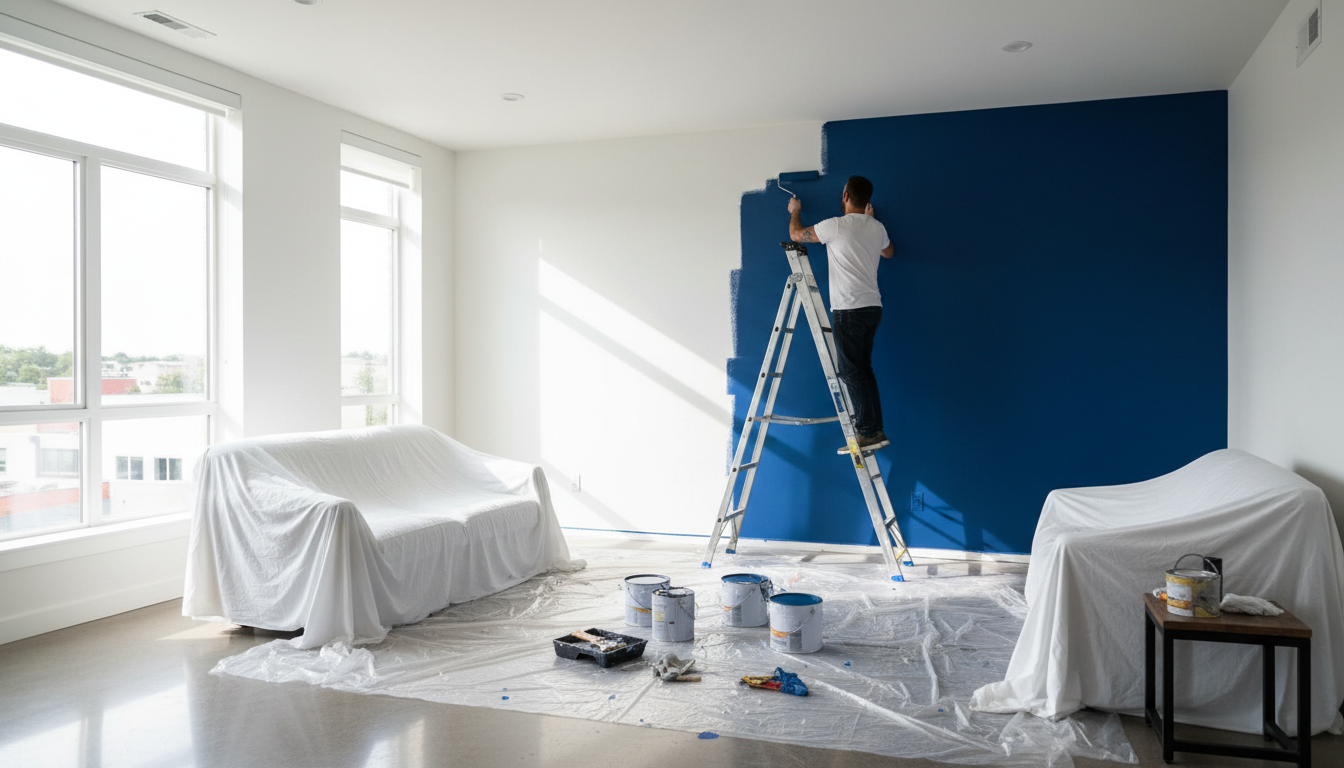
Skipping Surface Preparation
One of the most frequent mistakes is neglecting proper surface preparation. Painting over dirt, grime, or old peeling paint can lead to uneven finishes and peeling. To ensure a smooth application, always clean surfaces thoroughly and sand them if necessary. This step is crucial for the paint to adhere properly.
Choosing the Wrong Paint
Selecting the right paint type and finish is essential. Many people overlook this and end up with unsuitable results. For instance, using flat paint in high-traffic areas can lead to premature wear. Consider the space you’re painting and choose accordingly. Glossy finishes are great for durability, while matte finishes provide a softer look.
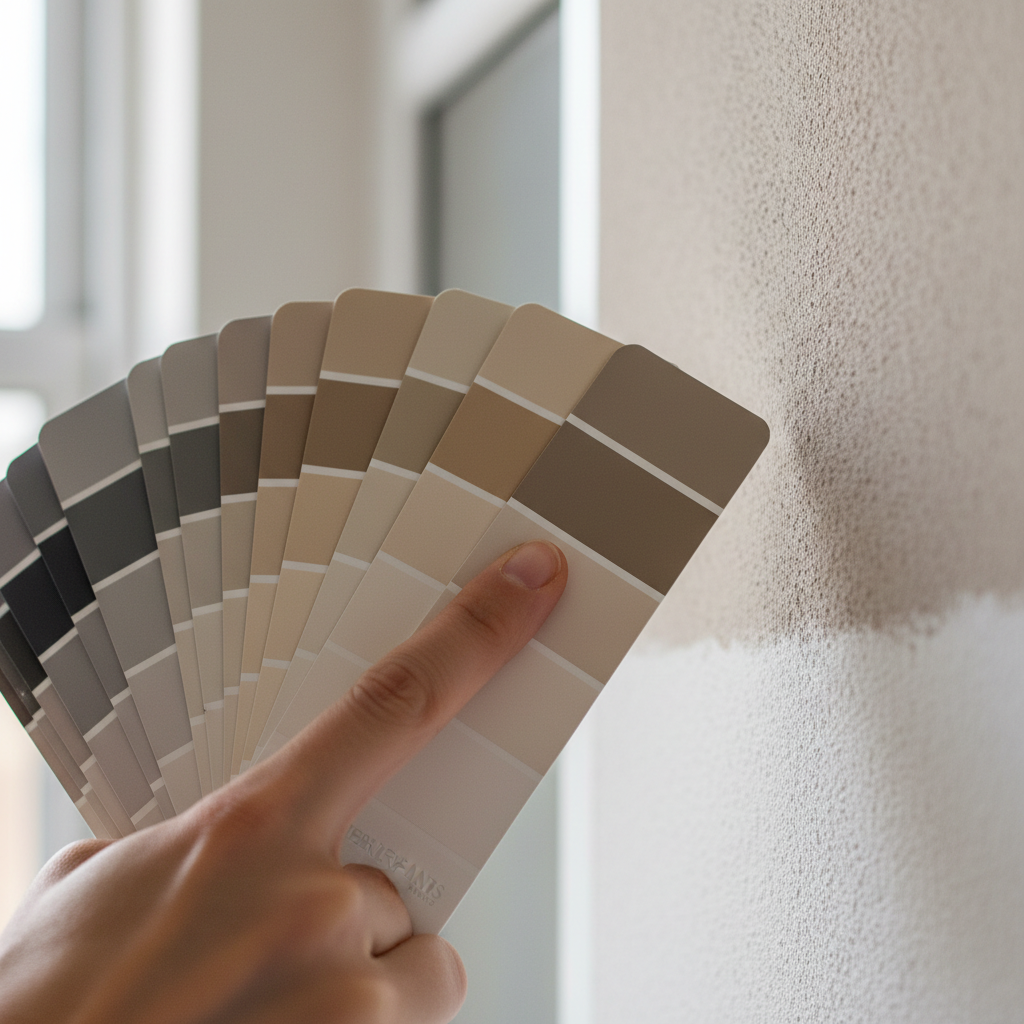
Ignoring Primer
Primer is often underestimated, yet it plays a vital role in achieving a professional-looking paint job. It helps paint adhere better and provides a uniform base for color. Skipping this step can lead to uneven color and may require more coats of paint. Always use primer, especially on new or bare surfaces.
Benefits of Using Primer
- Improves paint adhesion
- Enhances color vibrancy
- Reduces the number of paint coats needed
Overloading the Brush
Another common error is overloading the brush or roller with paint. This can cause drips and an uneven finish. Instead, dip your brush only a third of the way into the paint and tap off excess. For rollers, use a paint tray to remove surplus paint before applying it to the wall.
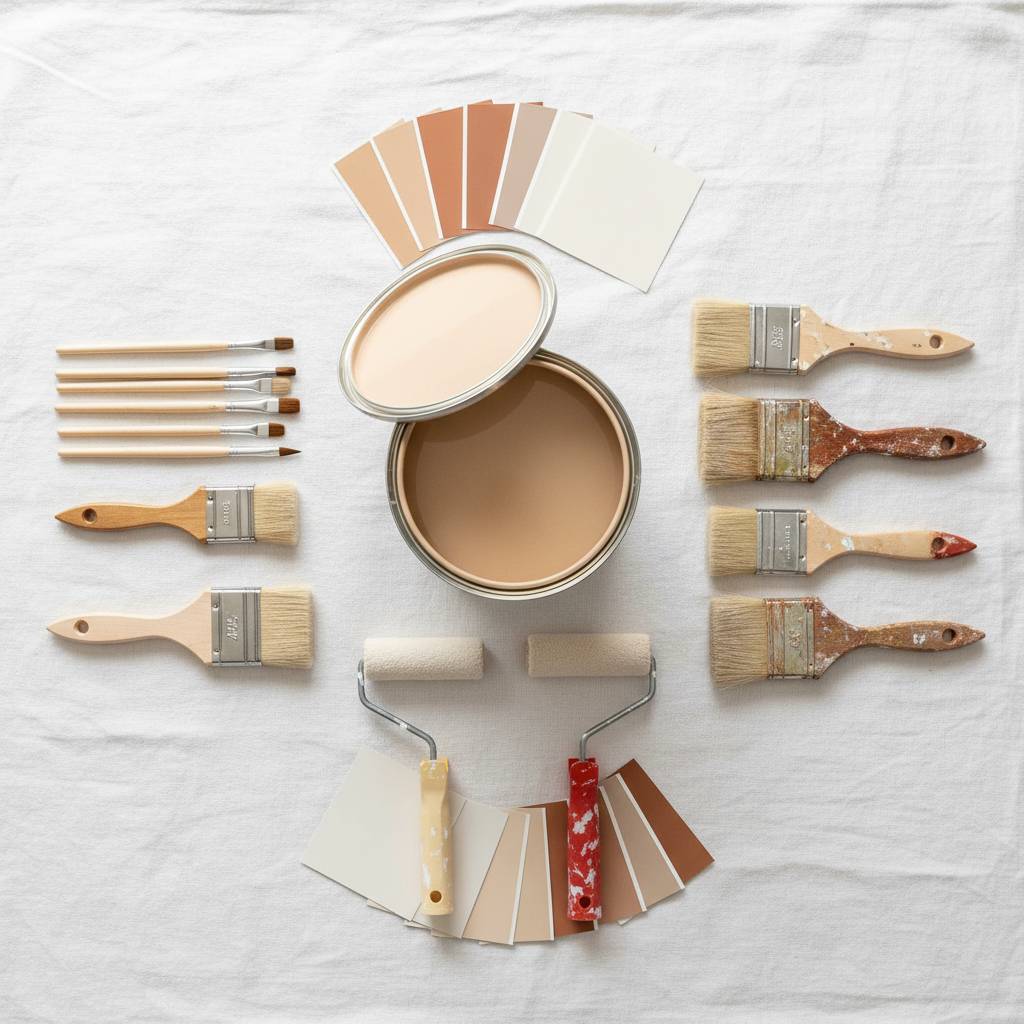
Painting in Unfavorable Conditions
Weather conditions can significantly impact your painting project. High humidity or extreme temperatures can affect drying time and the overall finish. It's best to paint in mild temperatures and to ensure good ventilation. This will help the paint dry evenly and prevent issues such as bubbling or cracking.
Rushing the Process
Patience is key to a successful paint job. Rushing through the process can lead to sloppy results. Allow ample time for each coat to dry before applying the next, and take care with cutting in and edging. It’s better to take your time and achieve a flawless finish than to hurry and end up with mistakes.
Conclusion
Avoiding these common house painting mistakes can save you time, money, and frustration. By preparing surfaces properly, choosing the right materials, and applying paint with care, you’ll ensure a professional-looking result. Remember, a little extra effort in the beginning will lead to a beautiful and long-lasting finish.