Common House Painting Mistakes and How to Avoid Them


Introduction to Common House Painting Mistakes
Painting your home can be a rewarding DIY project, but it's not without its pitfalls. Many homeowners dive into painting with enthusiasm, only to encounter issues that could have been easily avoided. Understanding these common mistakes and learning how to steer clear of them can save you time, money, and frustration.
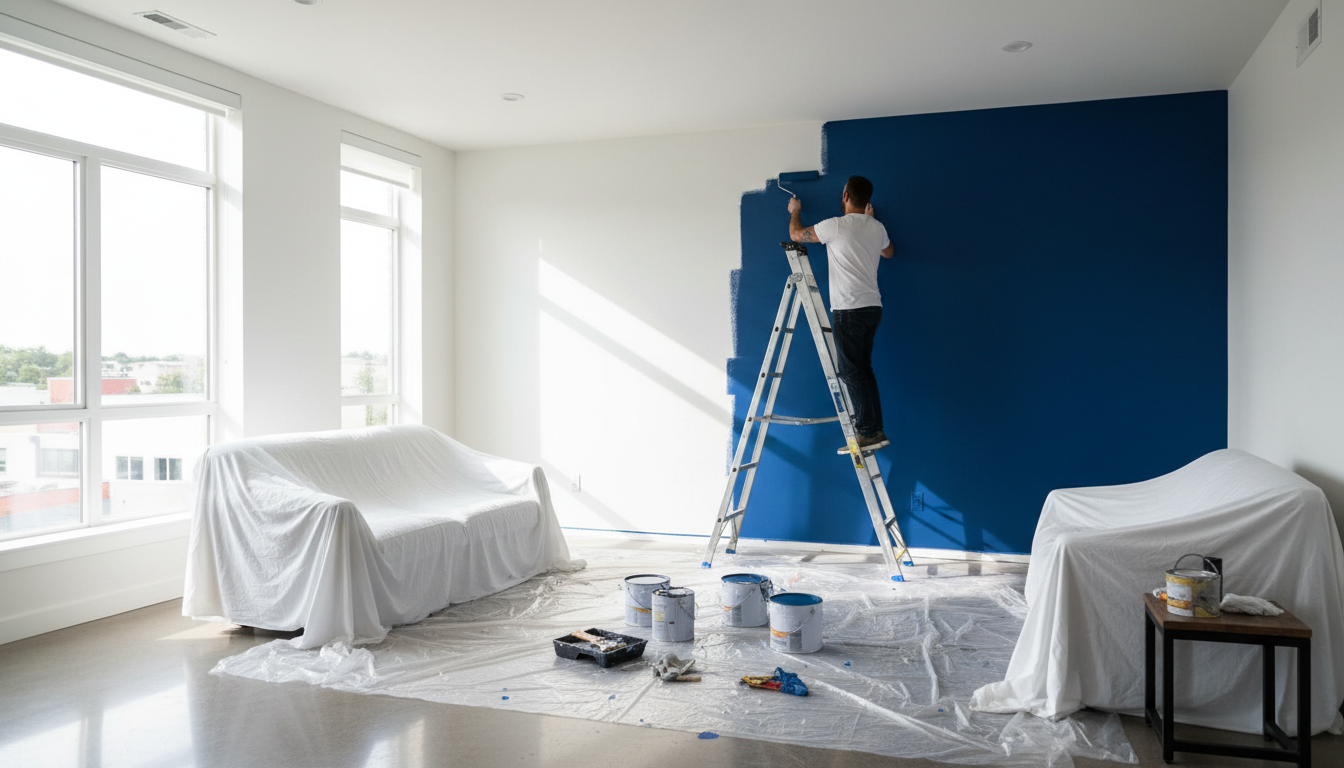
Not Preparing the Surface Properly
One of the most frequent errors is neglecting to prepare the surface. Without proper preparation, even the highest quality paint won't adhere well. Take the time to clean, sand, and prime the surfaces before painting. This step is crucial in ensuring a smooth and long-lasting finish.
How to Prepare the Surface
Start by washing the walls to remove dirt and grime. Use a mild detergent and allow the walls to dry completely. Next, sand any rough areas and fill in cracks or holes with a suitable filler. Finally, apply a coat of primer to help the paint adhere better and to achieve a more even appearance.
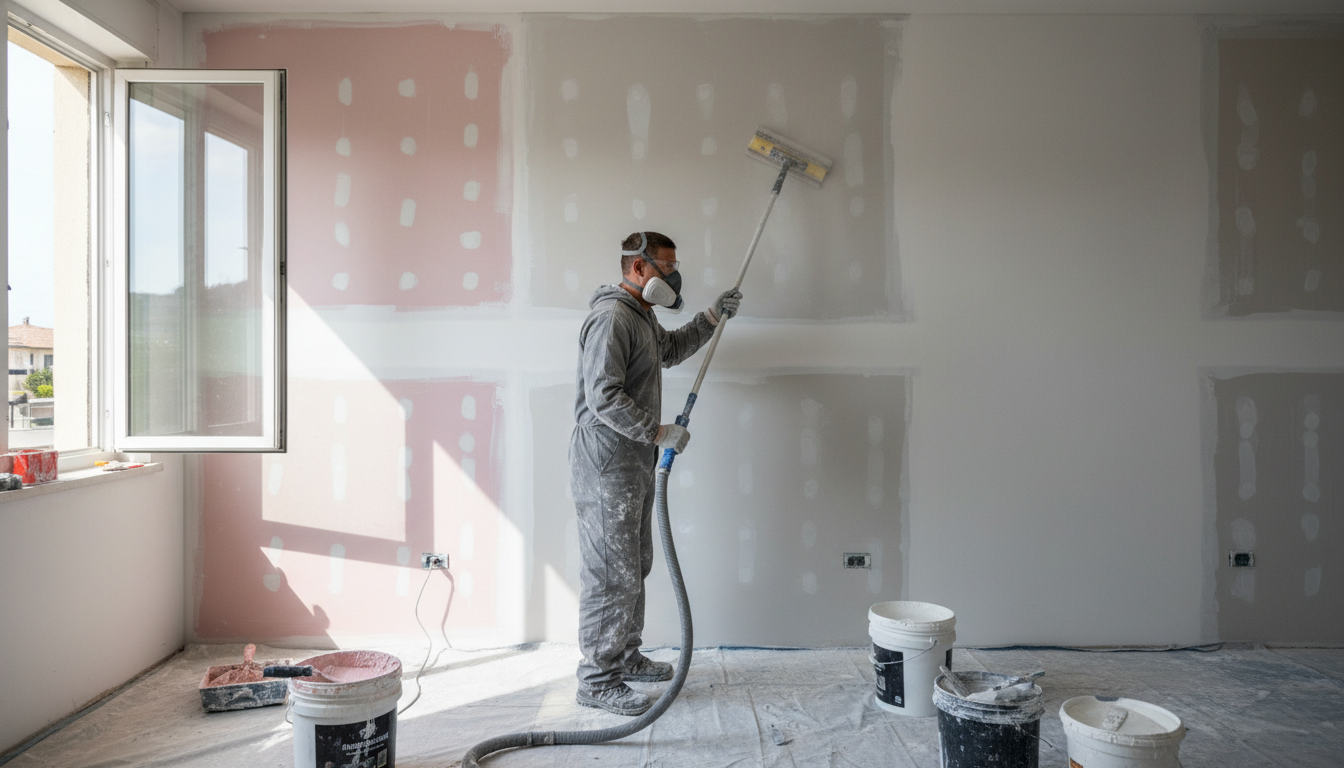
Choosing the Wrong Paint
Another common mistake is selecting the wrong type of paint for your project. Different surfaces and environments require specific types of paint, and choosing incorrectly can lead to peeling, cracking, or fading.
Tips for Selecting the Right Paint
Consider the room's function and the surface you're painting. For example, high-moisture areas like bathrooms and kitchens benefit from mildew-resistant, washable paints. For exterior surfaces, choose paints designed to withstand weather conditions. Always consult with a professional or read labels to ensure you're using the right product.
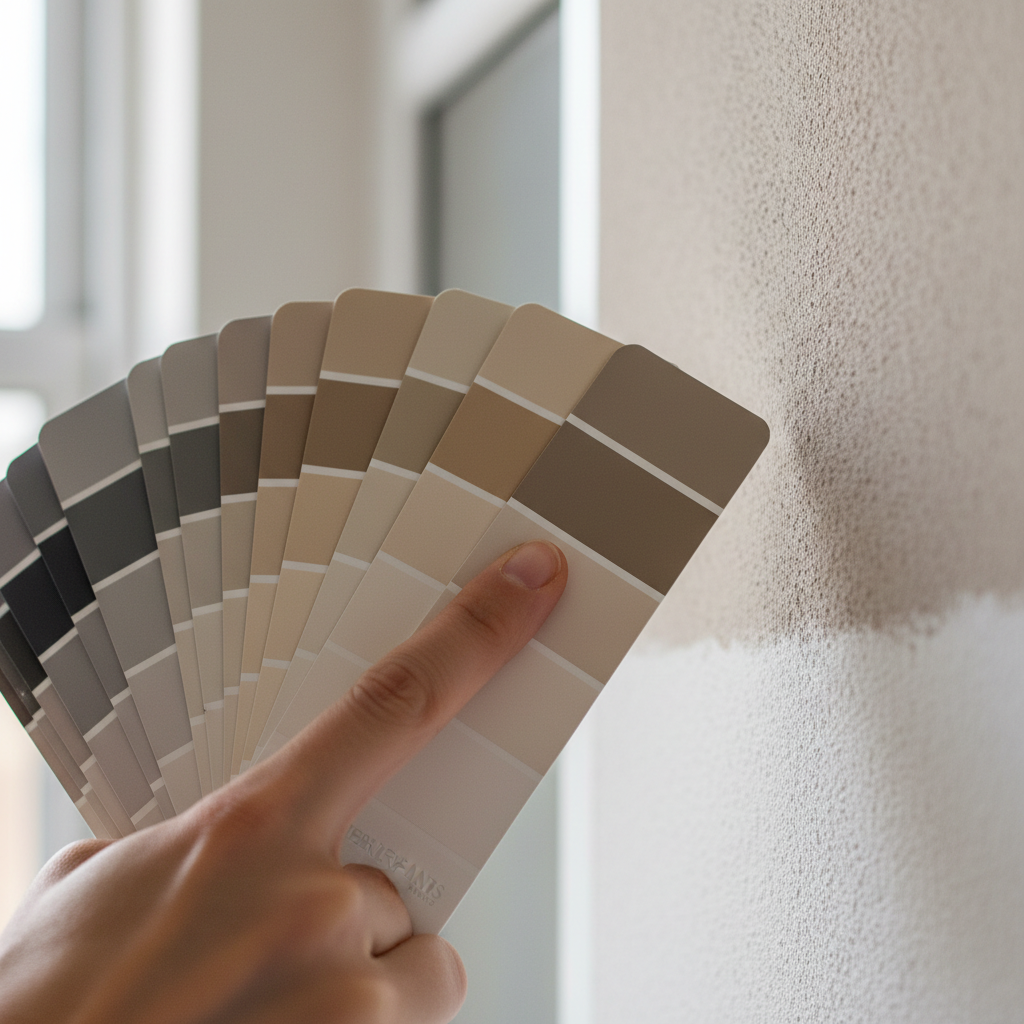
Skipping the Test Patch
Many DIY painters skip the crucial step of testing their chosen color. What looks great on a small swatch might be overwhelming on a larger scale or under different lighting conditions.
Conducting a Test Patch
Before committing to a color, paint a small section of your wall and observe it at different times of the day. This will help you determine how the paint looks in various lighting and ensure it complements your decor. This simple step can prevent costly and time-consuming repainting.
Overloading the Brush or Roller
Applying too much paint at once is a common mistake that leads to drips and uneven coverage. It's tempting to speed up the process by loading your brush or roller, but this often results in a messy finish.
Proper Painting Technique
To avoid this, dip your brush or roller lightly into the paint and allow excess to drip off before applying it to the wall. Use long, even strokes and apply multiple thin coats rather than one thick coat. This technique ensures a smooth and professional appearance.
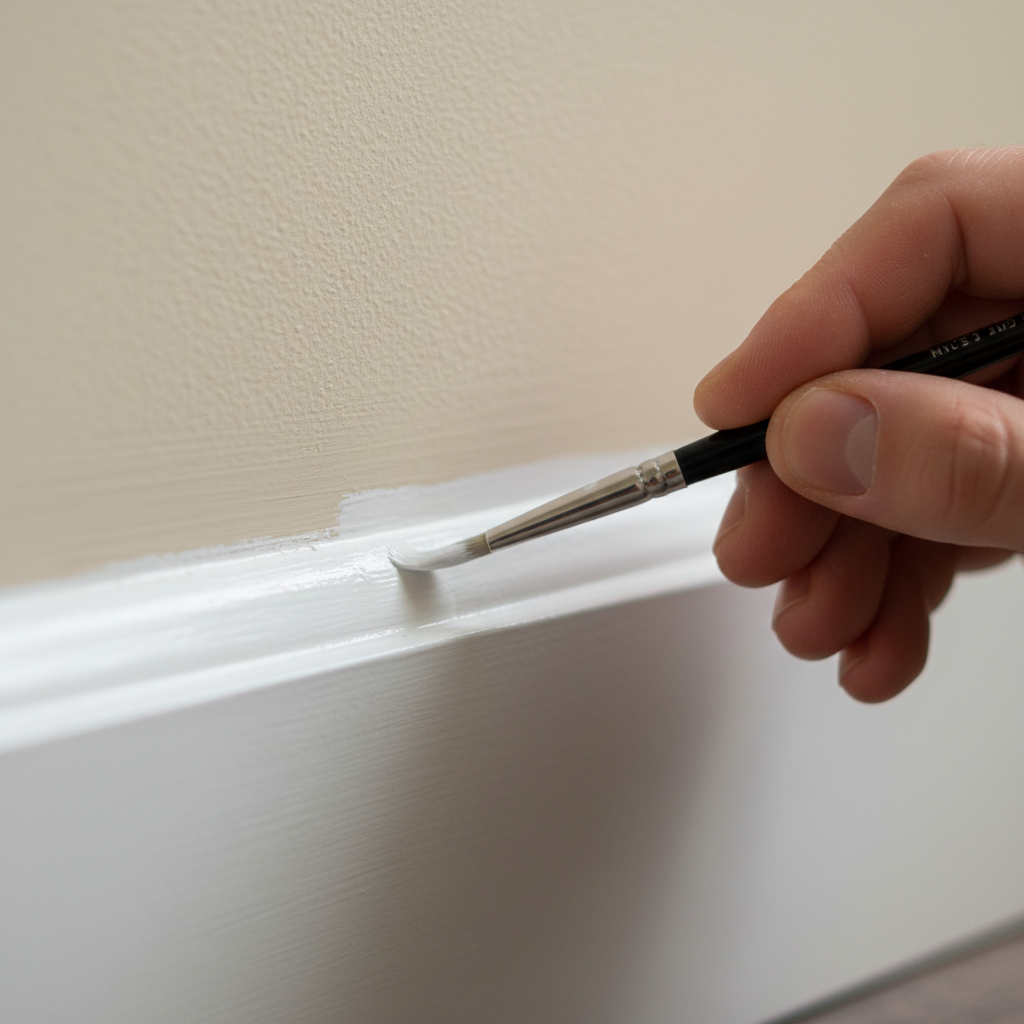
Conclusion
By avoiding these common house painting mistakes, you can achieve a beautiful, professional-looking finish. Remember, preparation is key, and taking the time to choose the right tools and techniques will pay off in the long run. Happy painting!