Common House Painting Mistakes and How to Avoid Them


Choosing the Wrong Paint
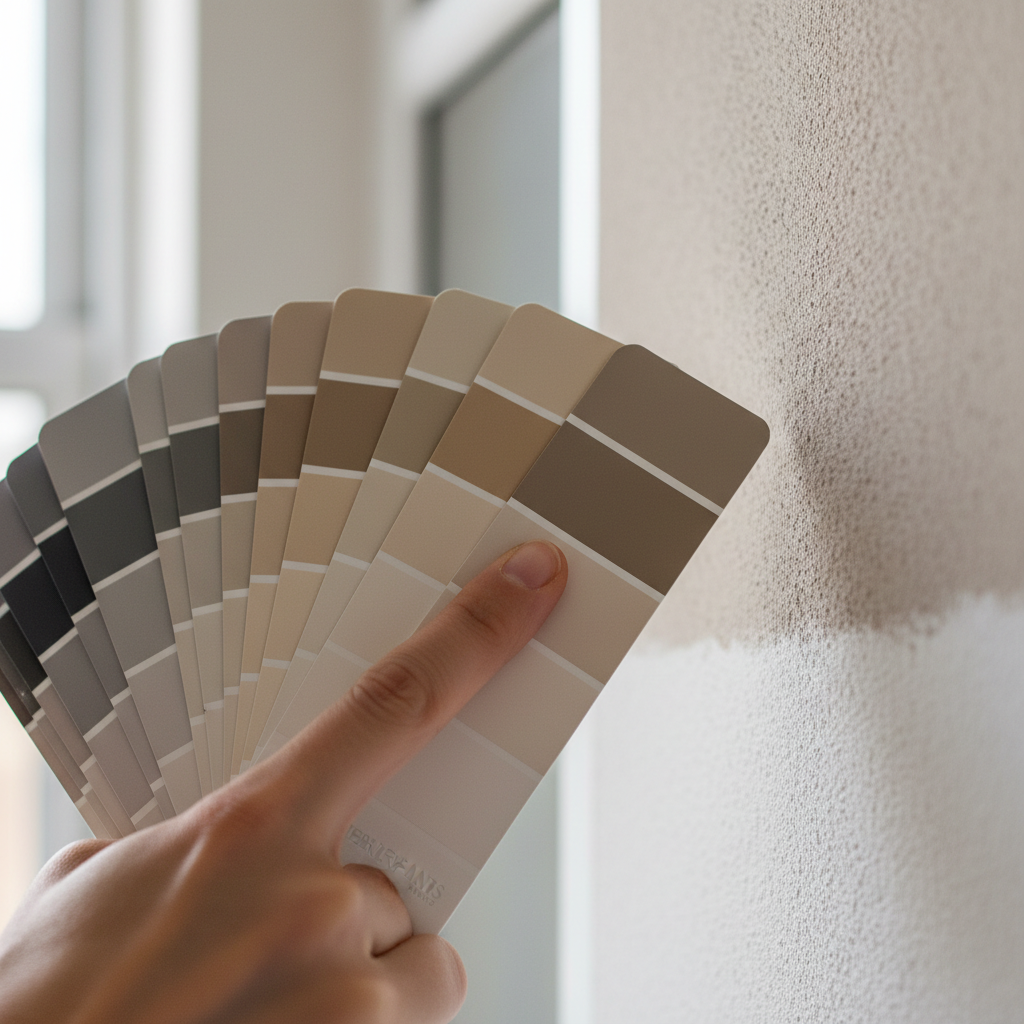
One common mistake many homeowners make is selecting the wrong type of paint for their project. It's essential to choose paint that is suitable for the surface and the specific conditions of each room. For example, kitchens and bathrooms require paints that can withstand moisture and are easy to clean. Always check the label and seek advice from paint specialists if you're unsure.
How to Avoid This Mistake
To avoid selecting the wrong paint, research the different types available and understand their uses. Consider factors like durability, finish, and color retention. Visiting a local paint store and consulting with professionals can also provide valuable insights into the best options for your needs.
Skipping Surface Preparation
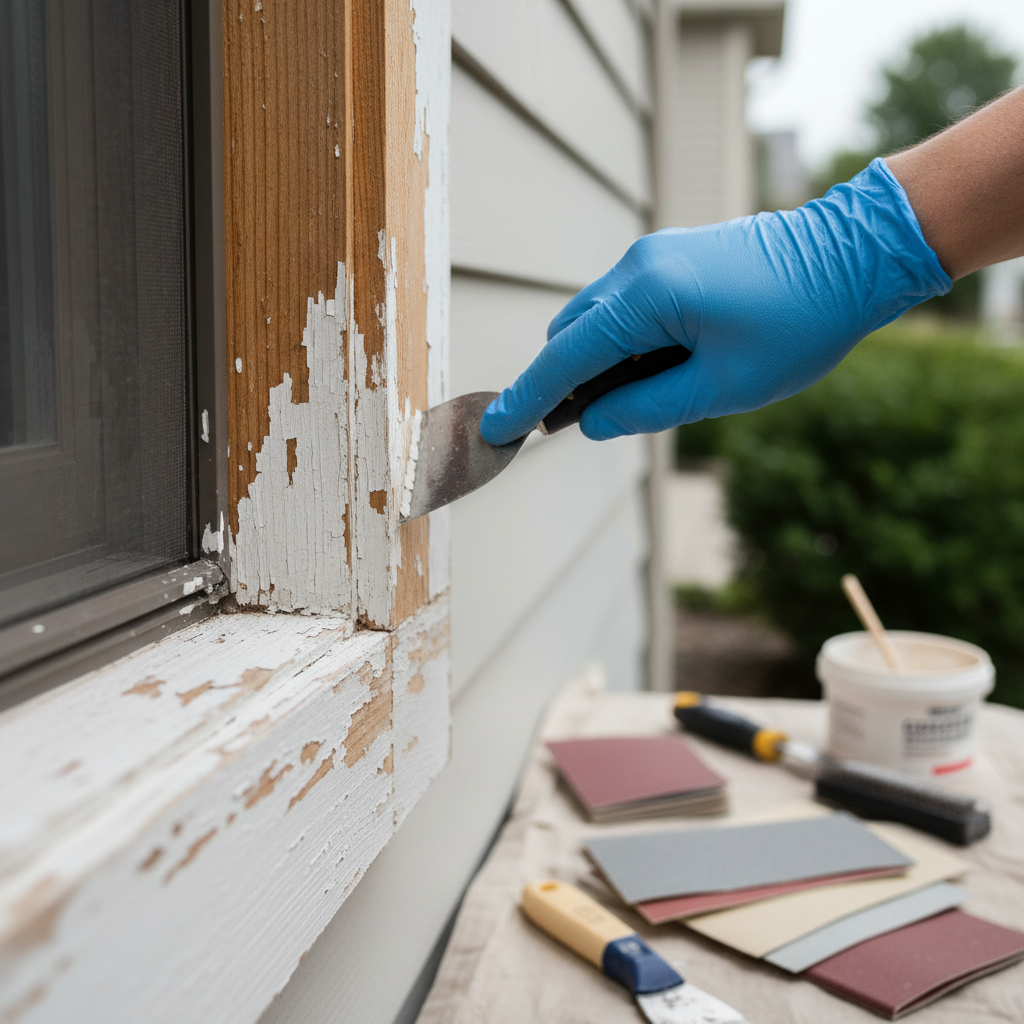
Another frequent error is neglecting proper surface preparation. Painting over dirt, grease, or old flaking paint can lead to poor adhesion, resulting in peeling and uneven finishes. Surface preparation is crucial for a smooth, professional-looking result.
Steps for Proper Preparation
To prepare surfaces correctly, begin by cleaning them thoroughly with soap and water. Sand any rough spots and fill cracks or holes with an appropriate filler. Once the surface is dry and smooth, apply a primer to ensure the paint adheres well.
Overlooking Quality Tools
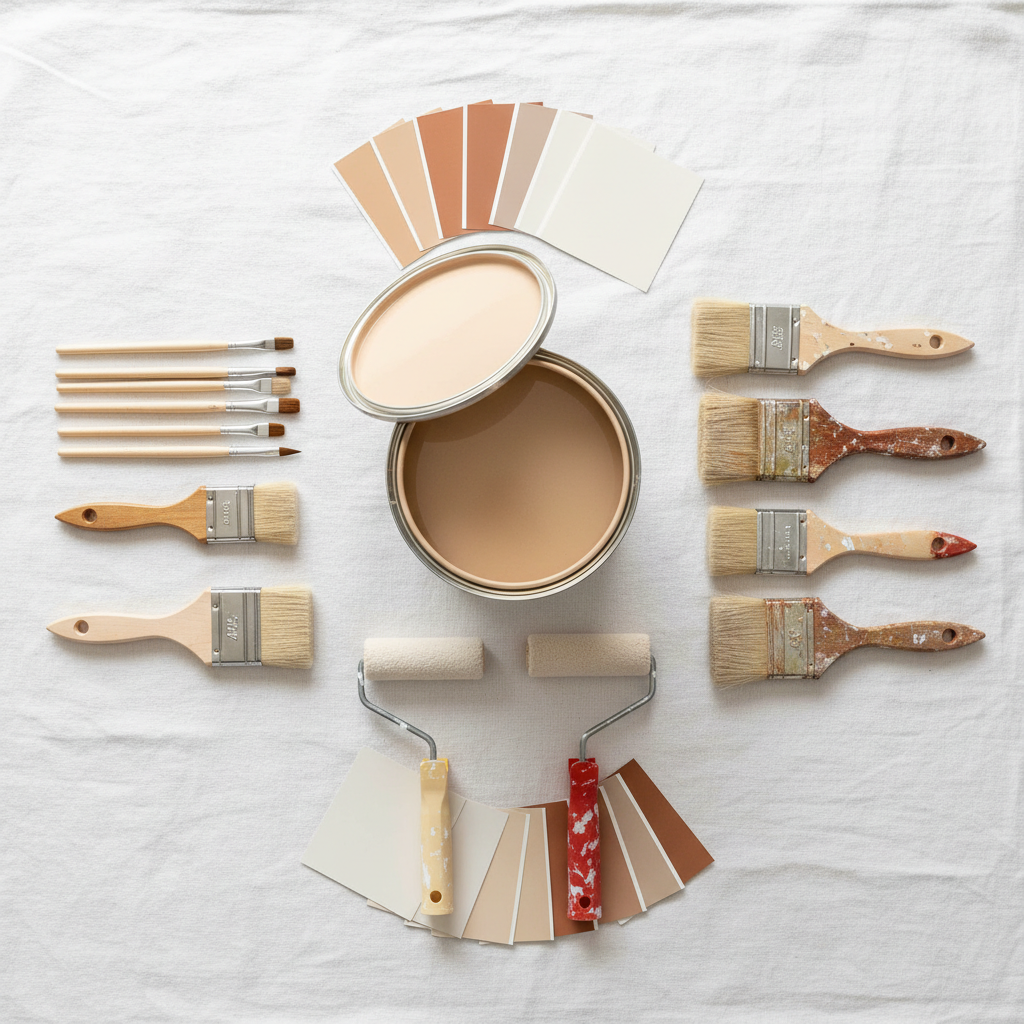
Investing in high-quality brushes and rollers is often overlooked, but it's a vital part of achieving a great finish. Using cheap or worn-out tools can result in streaks and an uneven coat, ultimately affecting the appearance of the paint job.
Choosing the Right Tools
Choose brushes and rollers that are specifically designed for the type of paint you are using. Look for tools with good reviews and consider the size of the area you are painting. Quality tools may cost more initially but will provide a better result and last longer.
Ignoring Weather Conditions
Weather can significantly impact the outcome of your painting project. Painting in extremely hot, cold, or humid conditions can affect how the paint dries and adheres to surfaces. This can lead to issues like bubbling or cracking.
When to Paint
Check the weather forecast before starting your painting project. Ideally, paint when the temperature is moderate, and there's low humidity. If painting outdoors, avoid windy days, as this can lead to dust and debris sticking to wet paint.
Applying Thick Coats
Many people believe that applying a thick coat will save time and provide better coverage, but it often leads to drips and uneven drying. Thin, even coats are recommended for a smooth finish.
The Right Technique
Apply paint in thin layers, allowing each coat to dry completely before applying the next. This not only ensures better coverage but also enhances the durability of the paint. Patience is key to achieving a professional-looking result.