Common House Painting Mistakes and How to Avoid Them


Painting your house can be a rewarding project, giving your home a fresh look and feel. However, many DIY enthusiasts often make common mistakes that can lead to less-than-perfect results. Knowing what to avoid can save you time, money, and frustration.
Skipping Surface Preparation
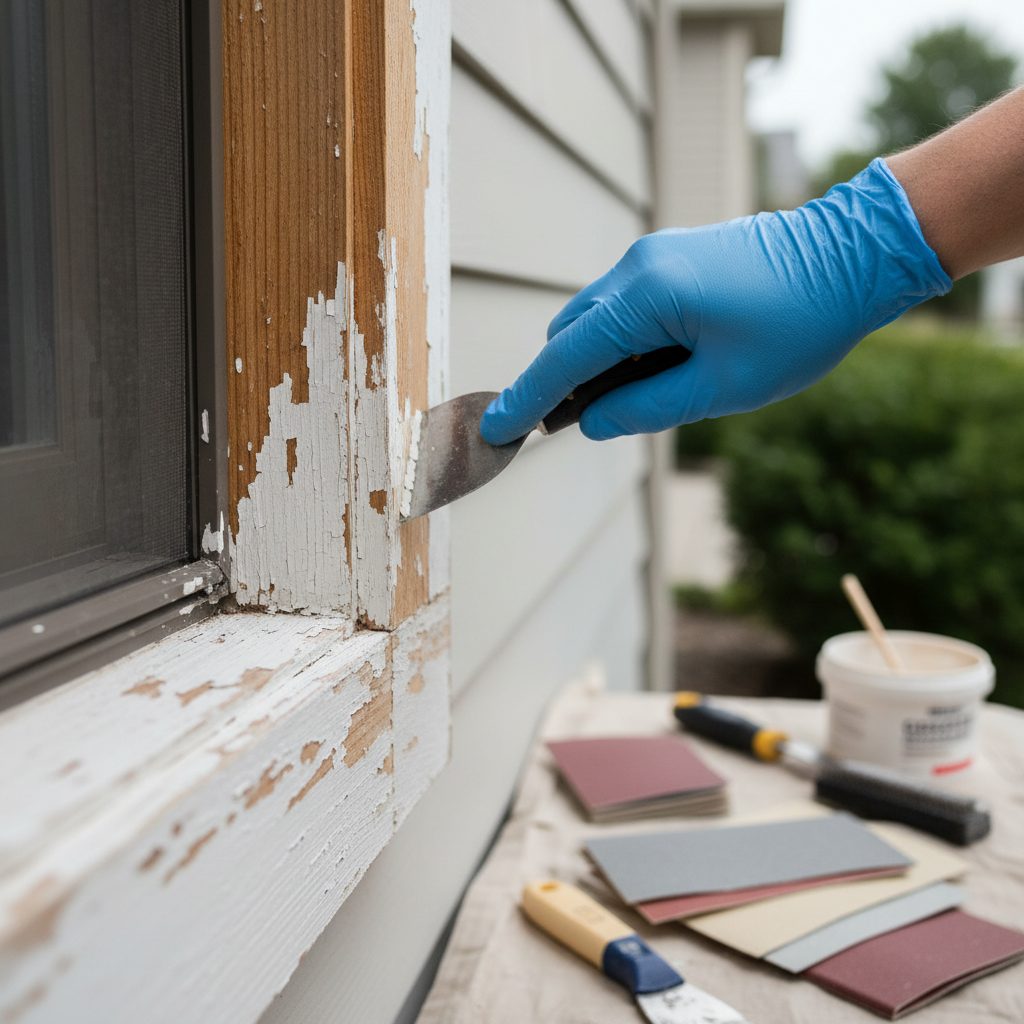
One of the most frequent mistakes is neglecting proper surface preparation. Before painting, it's essential to clean, sand, and prime the surfaces. Failing to do so can result in uneven paint application and peeling. Ensure you remove old, flaky paint and repair any damages before starting.
How to Avoid This Mistake
Always start by cleaning your walls with a mild detergent and water. Sand the surfaces to create a smooth base and apply a suitable primer. This will help the paint adhere better and last longer.
Choosing the Wrong Paint
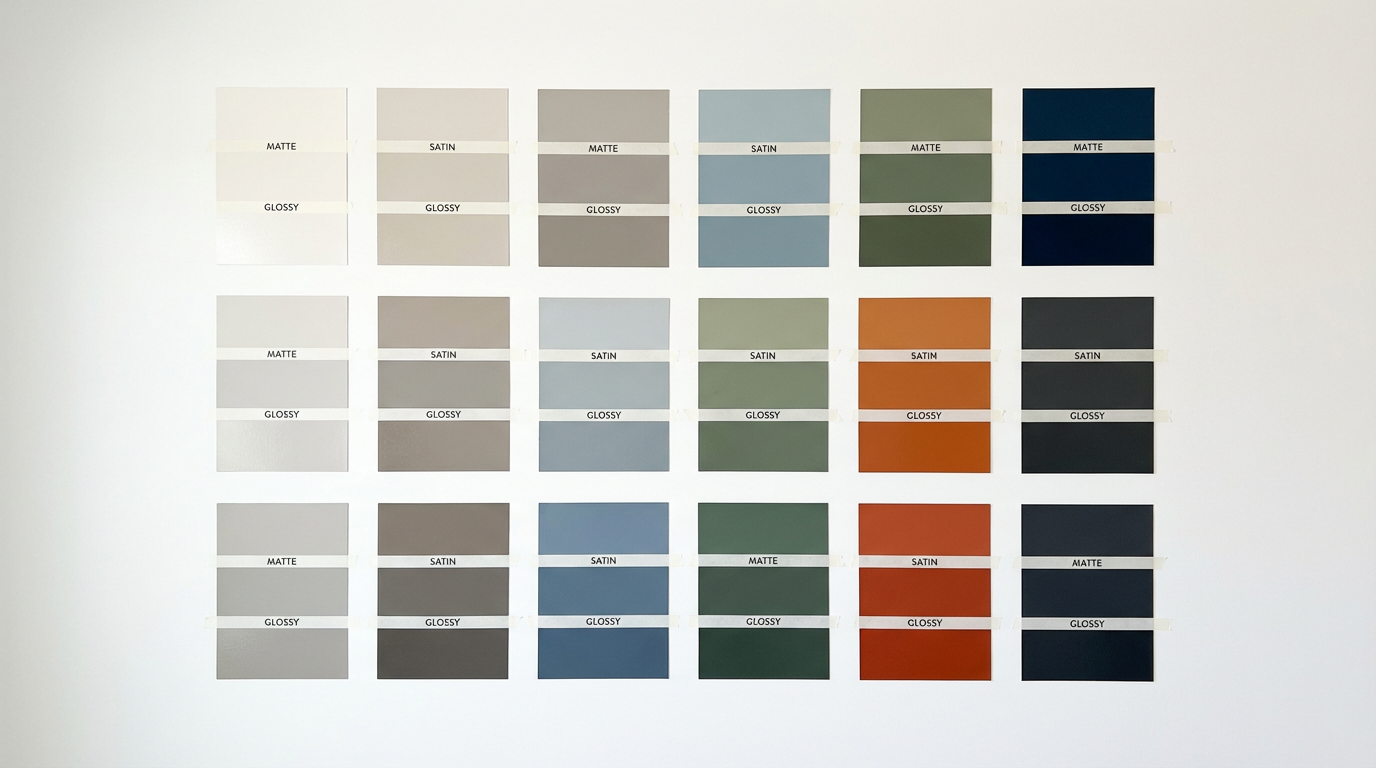
Selecting the incorrect type of paint can have a significant impact on the final outcome. Different surfaces and areas of your home require specific kinds of paint, such as oil-based or water-based paints.
Tips for Choosing the Right Paint
- Use oil-based paints for doors and trims for durability.
- Opt for water-based paints for walls and ceilings for easy cleanup and low odor.
- Consider the finish (matte, satin, gloss) based on the room's use and lighting.
Ignoring Weather Conditions
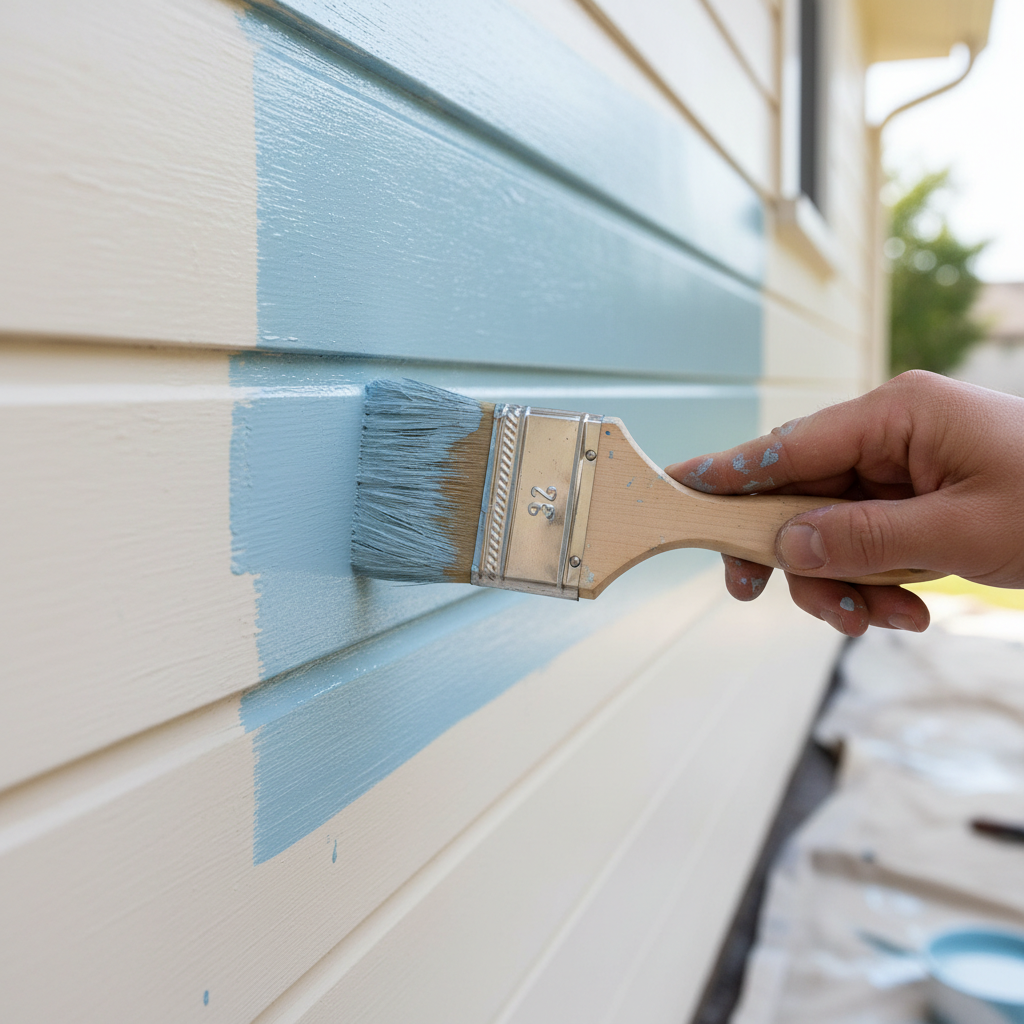
Weather conditions play a crucial role in the painting process. Painting on a humid or rainy day can result in prolonged drying times and poor adhesion, leading to a patchy finish.
Painting in the Right Conditions
Plan your painting project when the weather is dry and mild. Ideal temperatures range between 50°F to 85°F (10°C to 29°C). Check the weather forecast and avoid painting during extreme conditions.
Not Using the Right Tools
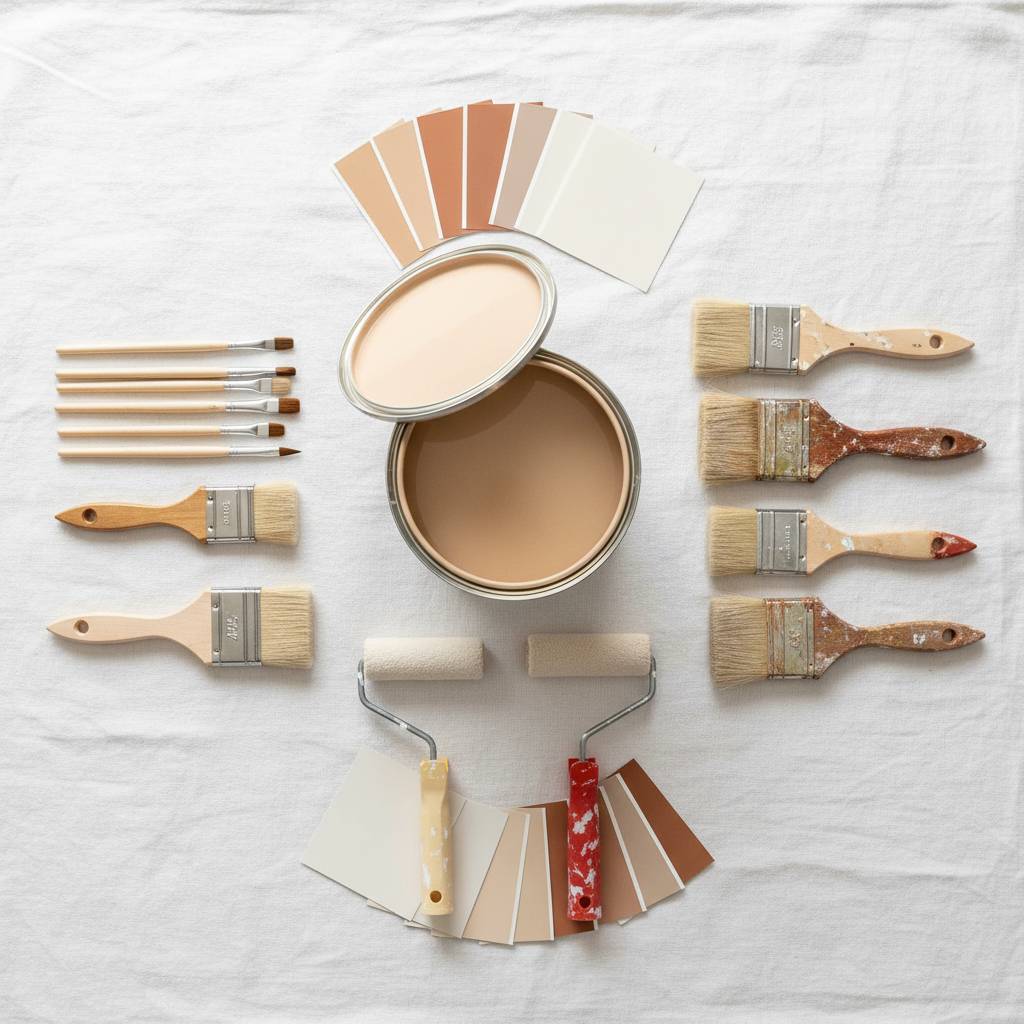
Using high-quality brushes and rollers is essential for achieving a professional-looking paint job. Low-quality tools can leave streaks and uneven textures.
Investing in Quality Tools
Choose brushes and rollers that are appropriate for the paint you're using. For example, synthetic bristles are best for water-based paints, while natural bristles work well with oil-based paints. Don't forget to use painter's tape for sharp edges and to protect areas you don't want to paint.