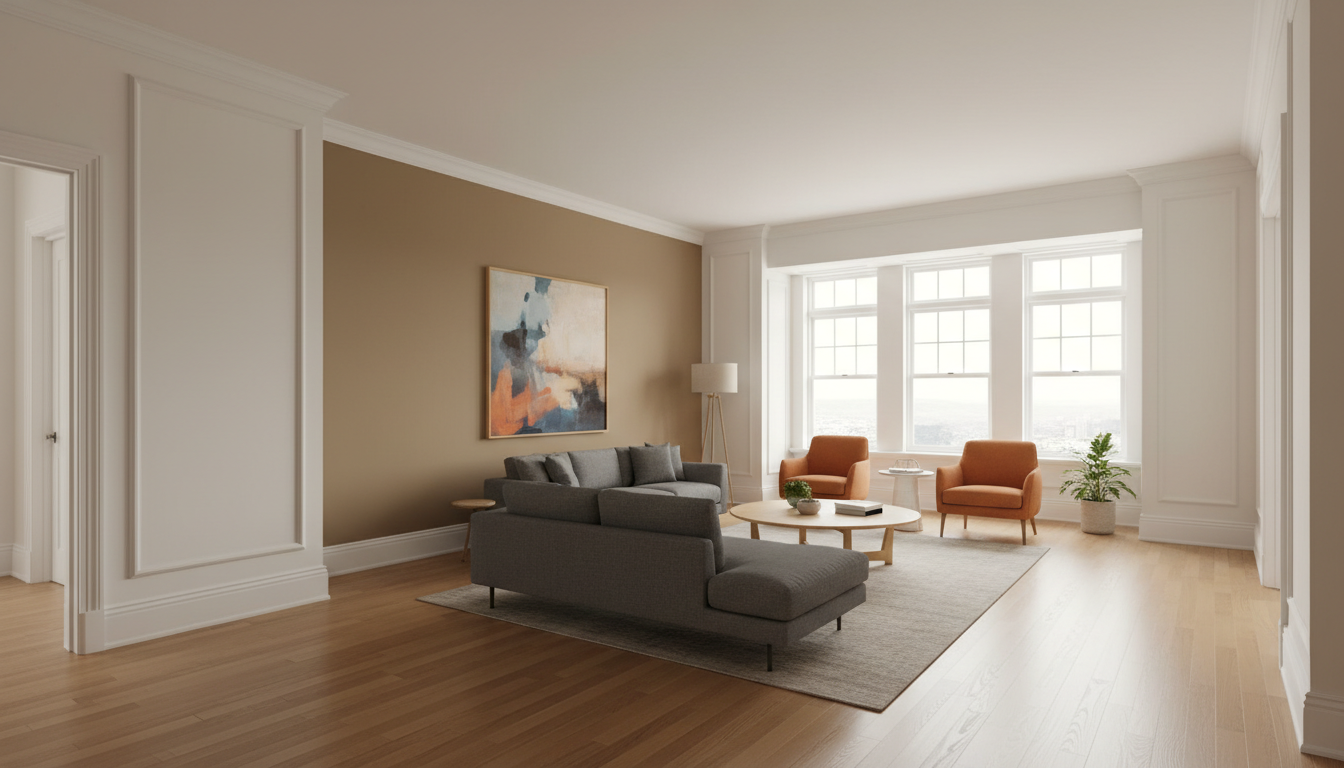
Common House Painting Mistakes and How to Avoid Them


Introduction
Painting your house can be an exciting project, but it’s easy to make mistakes that could affect the final result. Whether you're a DIY enthusiast or hiring professionals, understanding common pitfalls is crucial. Here, we’ll explore common house painting mistakes and how to avoid them.
Skipping the Prep Work
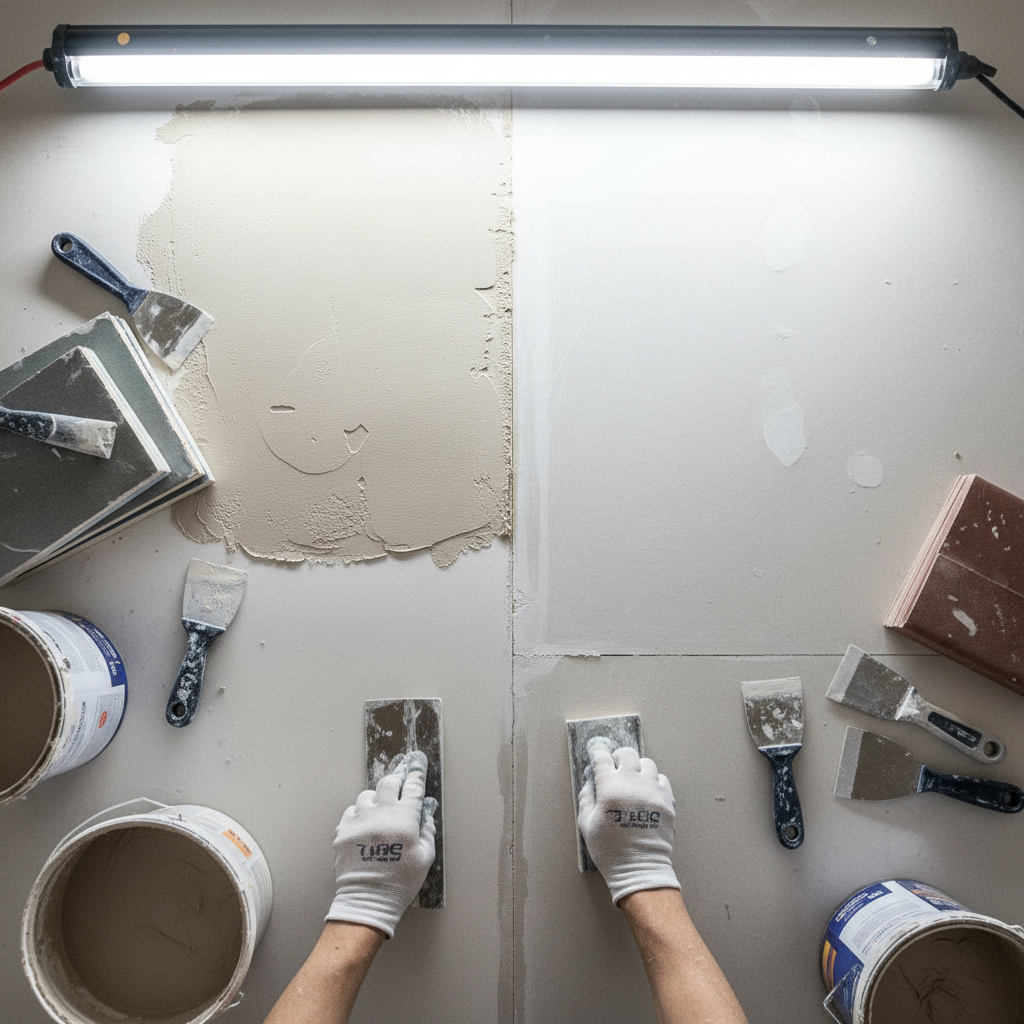
One of the most common mistakes is neglecting the necessary preparation before painting. Proper prep work ensures a smooth and long-lasting finish.
How to Avoid
Start by cleaning the surfaces to remove dirt, dust, and grease. Sand any rough areas and fill in cracks or holes. Finally, apply a primer to create an even base for the paint.
Choosing the Wrong Paint
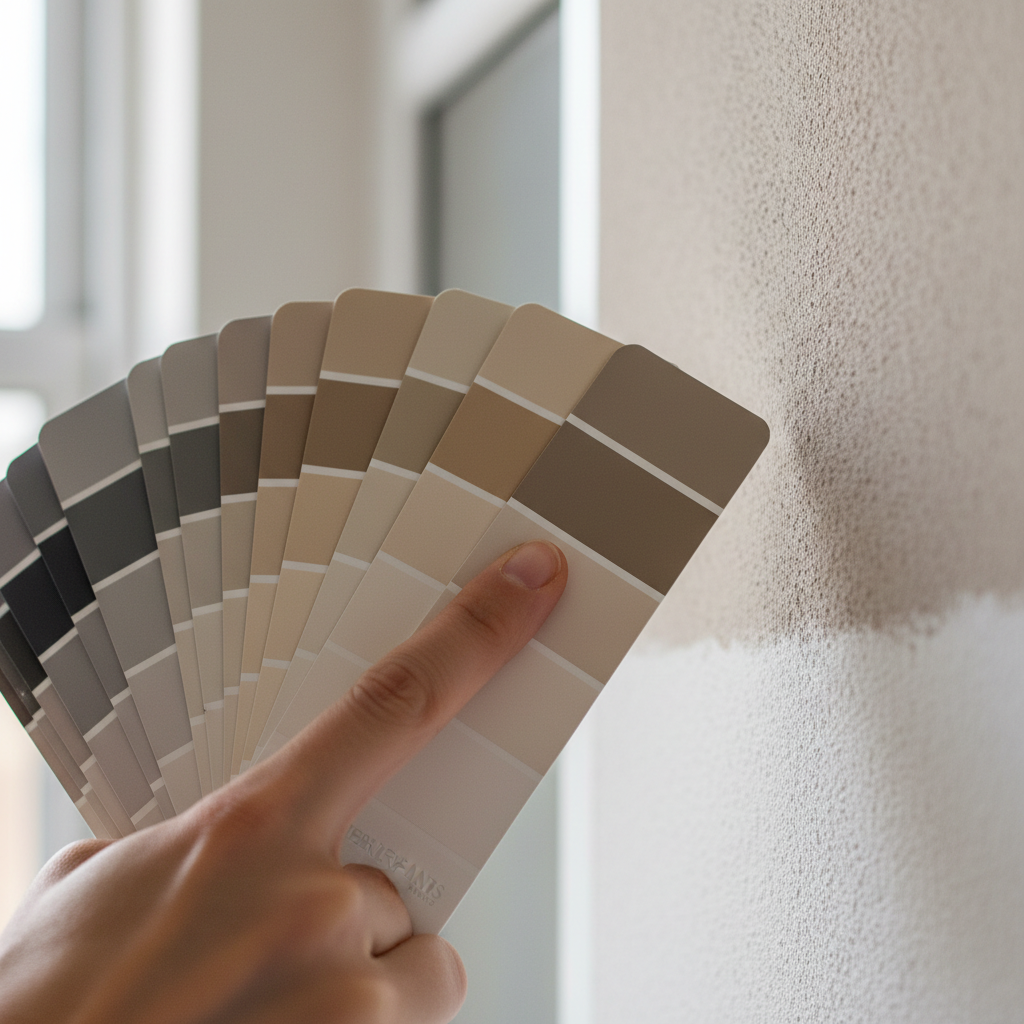
Selecting the wrong type of paint can lead to unexpected results. It’s important to choose the right paint for the specific surface and environment.
How to Avoid
Consider whether the area is interior or exterior, and choose paint accordingly. For high-moisture areas like bathrooms, opt for mildew-resistant paint. Always check the paint’s specifications and recommendations.
Ignoring Weather Conditions
Weather plays a crucial role in painting, especially for exterior projects. Painting under the wrong conditions can compromise the quality of your work.
How to Avoid
Avoid painting on extremely hot or cold days. Ideal temperatures are between 50°F and 85°F. Check the weather forecast for rain and humidity, as they can affect drying times and paint adhesion.
Using the Wrong Tools
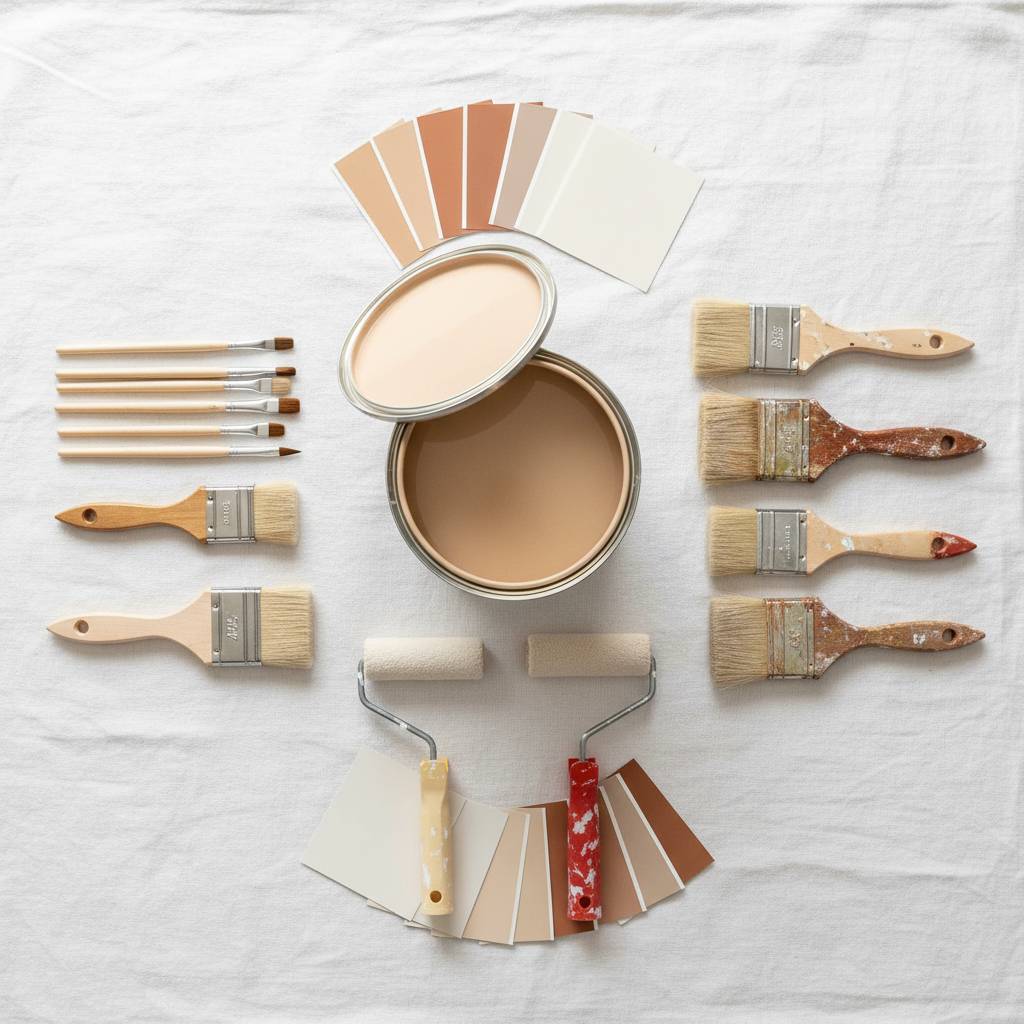
Using inappropriate brushes or rollers can lead to uneven coverage and a poor finish. The right tools make a significant difference in the outcome.
How to Avoid
Invest in high-quality brushes and rollers suited for the type of paint you’re using. Use angled brushes for edges and corners, and rollers for larger surfaces.
Applying Too Many or Too Few Coats
Applying the right number of coats is essential. Too few will leave the surface looking patchy, while too many can cause drips and streaks.
How to Avoid
Follow the paint manufacturer’s instructions for the recommended number of coats. Allow each coat to dry completely before applying the next.
Conclusion
Avoiding these common mistakes can help you achieve a professional-looking finish, whether you're painting a single room or your entire house. Remember, preparation and attention to detail are key to a successful painting project.
By taking the time to plan and execute your painting project carefully, you can enjoy a beautiful and lasting result.