Common Mistakes to Avoid When Painting Your Home


Introduction
Painting your home can be a rewarding and transformative experience, but it's easy to fall into common pitfalls that can lead to less-than-desirable results. Whether you're a seasoned DIY enthusiast or a first-time painter, being aware of these mistakes can help you achieve a professional finish.
Neglecting Proper Preparation
One of the biggest mistakes people make is skipping the prep work. Proper preparation is key to a successful paint job. This includes cleaning the walls, repairing any damage, and applying painter's tape where needed. Failing to do so can result in uneven surfaces and paint bleeding onto unwanted areas.
Using the Wrong Tools
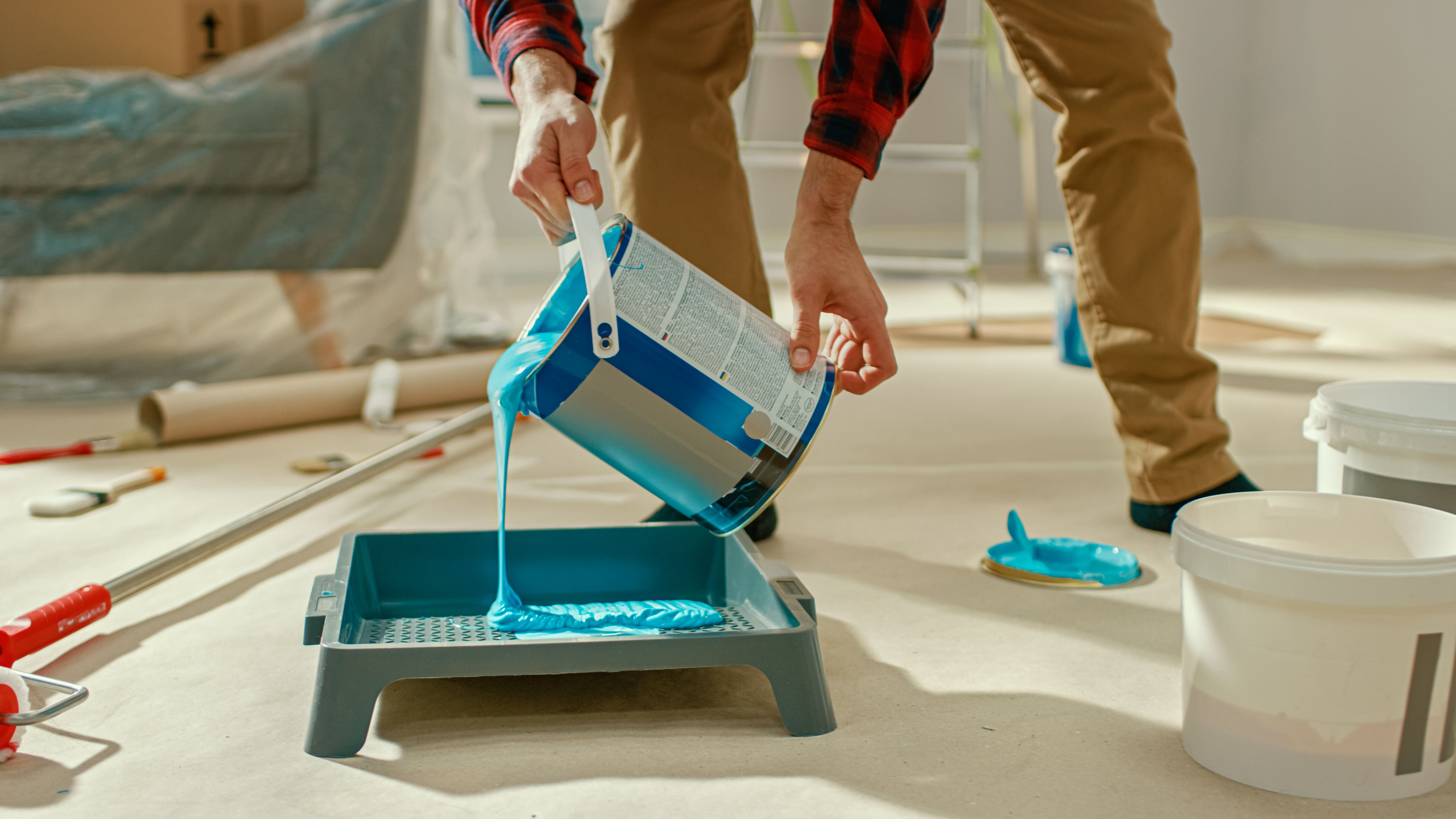
Investing in the right tools can make a significant difference in your painting project. Using cheap brushes or rollers can lead to streaks and an uneven finish. Quality tools might cost more upfront, but they'll provide better coverage and a smoother application.
Choosing the Wrong Paint
Selecting the right type of paint is crucial. Consider the room you're painting and its purpose. For example, kitchens and bathrooms require moisture-resistant paint, while bedrooms might benefit from a softer, matte finish. Don't forget to test paint samples, as colors can look different under various lighting conditions.

Skipping Primer
Primer is often overlooked, but it plays a vital role in ensuring a long-lasting paint job. It helps the paint adhere better and can cover previous colors or stains. Skipping this step can lead to paint peeling and uneven color distribution.
- Primer improves adhesion.
- Covers stains and previous colors.
- Enhances paint durability.
Overloading the Brush or Roller
Applying too much paint at once can cause drips and uneven layers. It's better to apply multiple thin coats than a single thick one. This allows the paint to dry properly and provides a more consistent finish.
Ignoring Drying Times
Patience is essential when painting. Each coat needs adequate time to dry before applying the next. Rushing this process can lead to smudges and blemishes. Always refer to the paint manufacturer's instructions for recommended drying times.
Conclusion
By avoiding these common mistakes, you can ensure a smoother and more successful painting project. Proper preparation, the right tools, and patience are key to achieving a professional-looking finish. Remember, a little extra effort upfront can save you time and frustration in the long run.