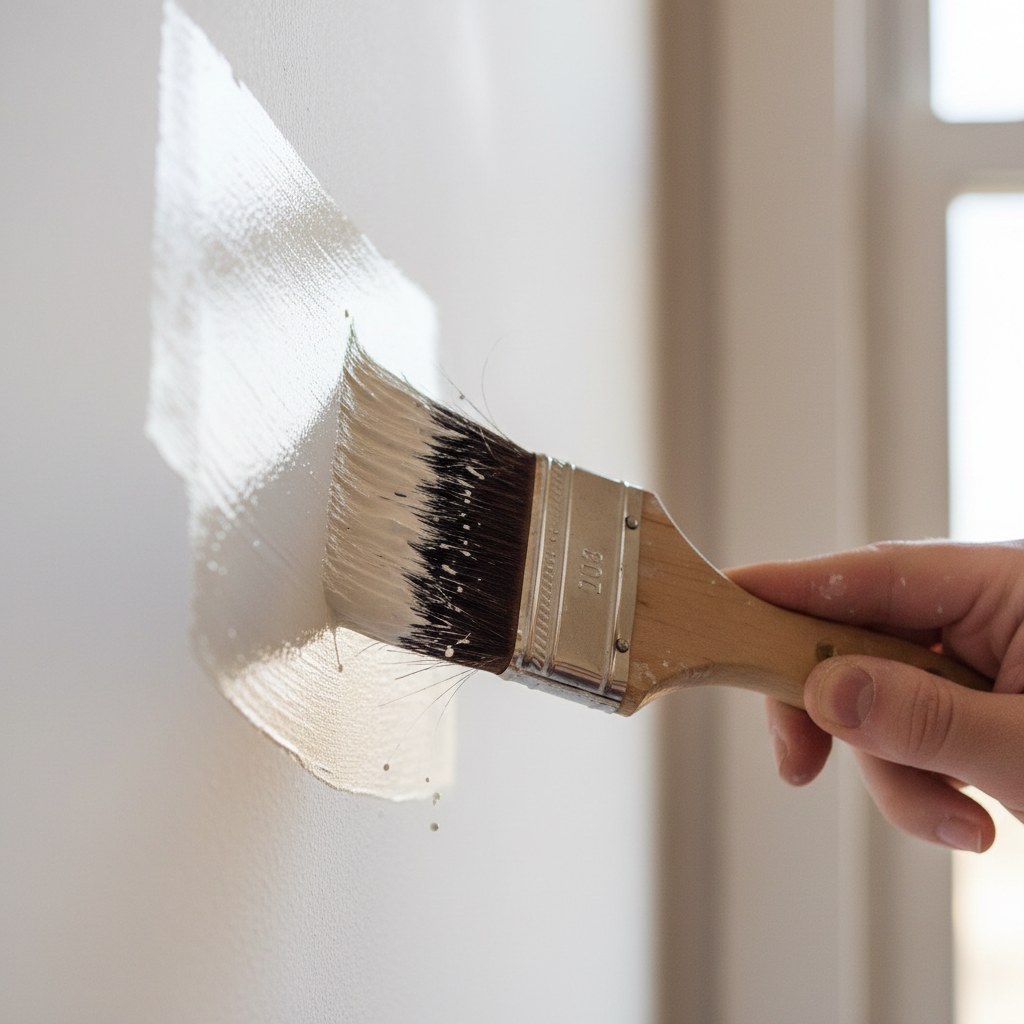
Common Mistakes to Avoid When Painting Your Home


Preparation Is Key
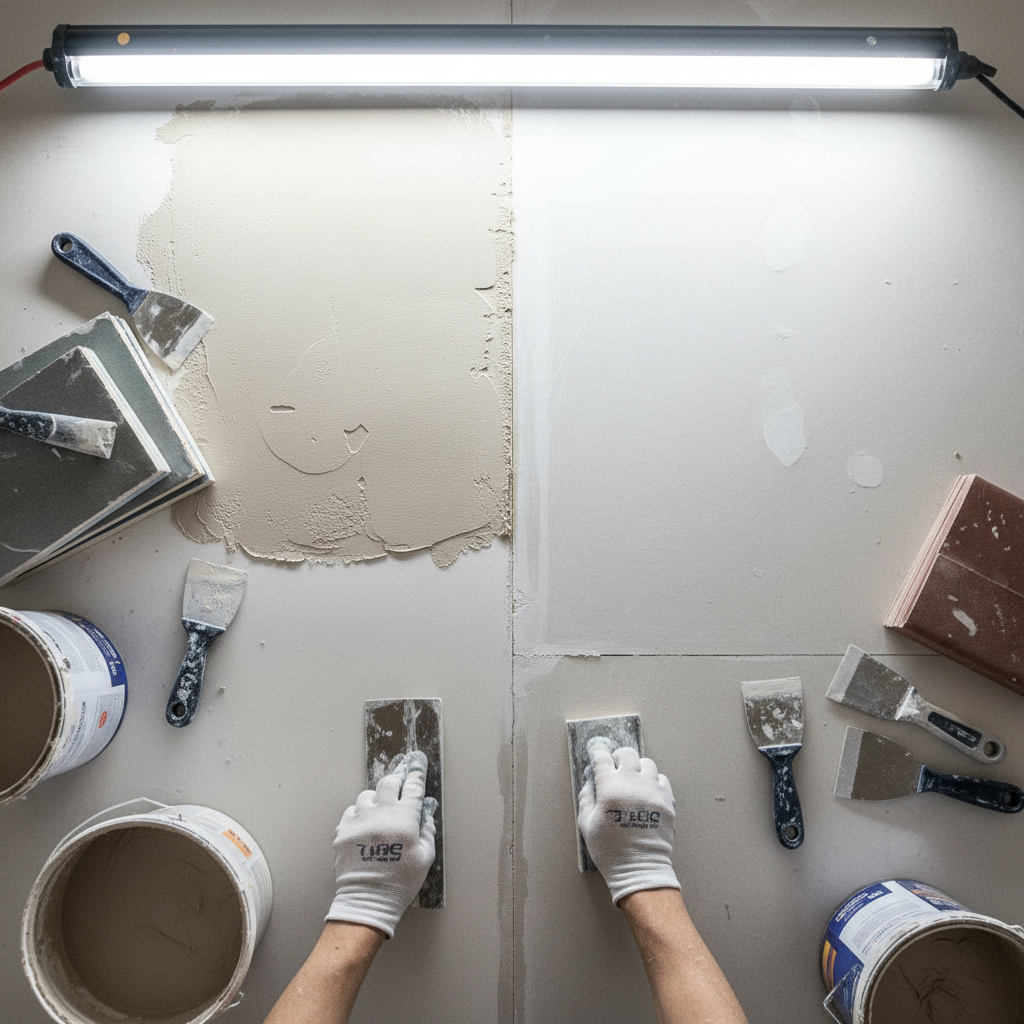
Before you even think about opening a paint can, make sure your space is properly prepared. One of the most common mistakes people make is skipping the prep work. This includes cleaning walls, repairing any holes, and applying painter’s tape where necessary. Neglecting these steps can result in a messy and unprofessional finish.
Consider the surface you’re painting. Different surfaces require different preparations. For example, glossy surfaces might need to be sanded to help the new paint adhere better. Don’t underestimate the power of primer—it’s essential for ensuring your paint job lasts longer and looks better.
Choosing the Wrong Paint
Another frequent mistake is choosing the wrong type of paint for the job. Paints are formulated for specific uses, such as interior vs. exterior, or for particular surfaces like wood or metal. Using the wrong type can lead to peeling, chipping, or fading over time.
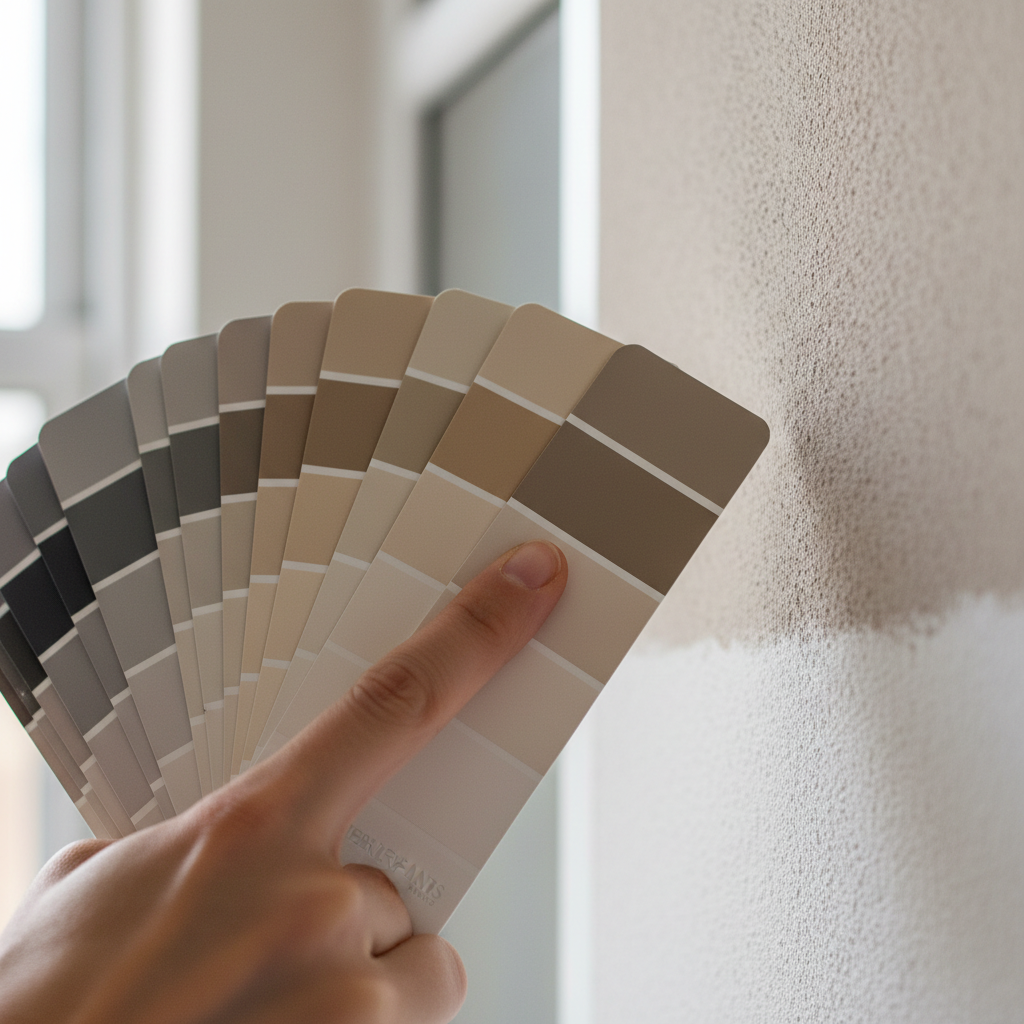
Color choice is also vital. It’s a good idea to test colors with samples on your wall before committing. Colors can look different depending on lighting and the surrounding decor, so take your time to choose the perfect shade.
Understanding Paint Finishes
When picking paint, pay attention to the finish. Each finish has a different level of gloss and durability. For instance, flat finishes are great for hiding imperfections but aren’t as washable, while semi-gloss and high-gloss finishes are more durable and easier to clean, making them ideal for kitchens and bathrooms.
Skipping the Primer
Primer is often seen as an unnecessary step, but it’s crucial for a smooth, long-lasting finish. Primer helps paint adhere better to the surface, provides an even base for color, and can even block stains and odors. Skipping primer can lead to uneven color and a less durable paint job.
When to Use Primer
Primer is especially important when painting over dark colors, on new drywall, or when the surface is porous or stained. In some cases, you might find paint-and-primer-in-one products, but these are best used for surfaces that are already in good condition.
Improper Application Techniques
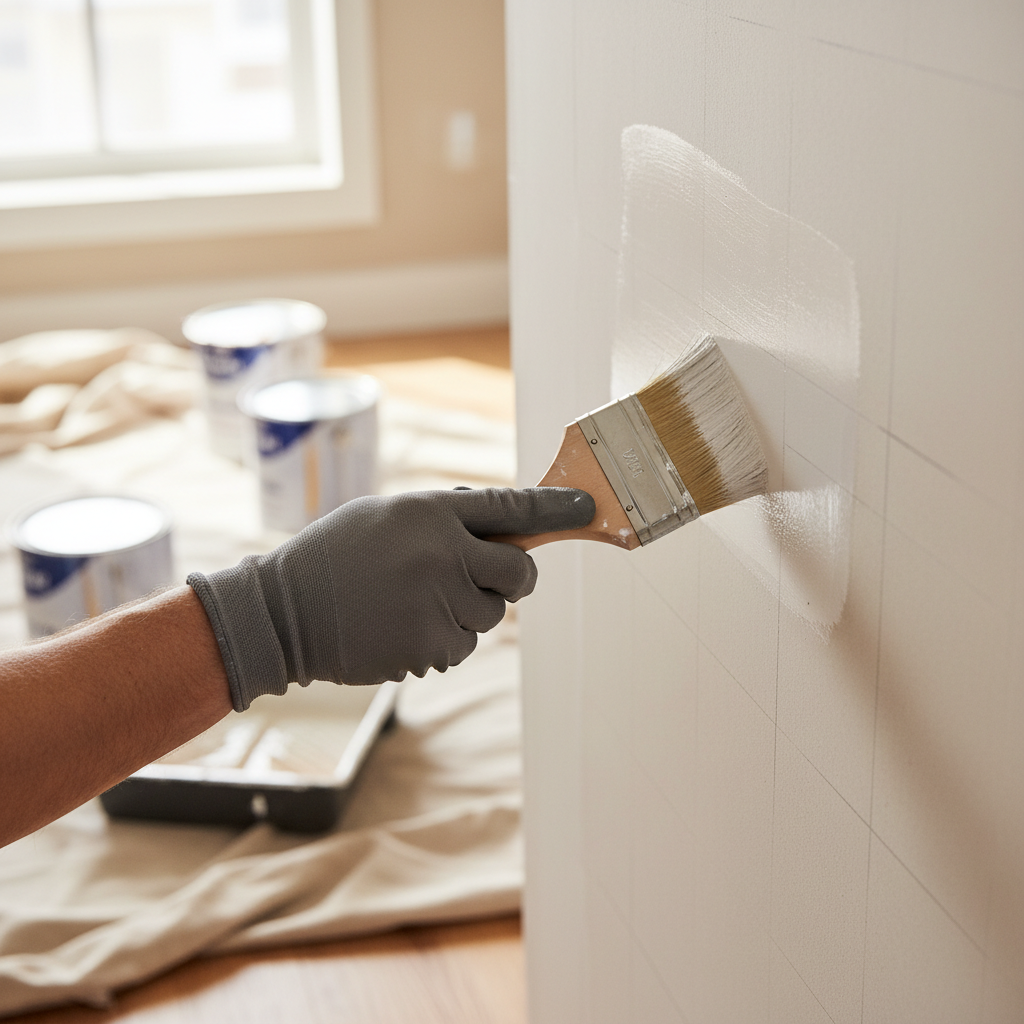
Applying paint incorrectly can ruin all your hard work. Common mistakes include overloading the brush or roller, which can lead to drips and uneven coverage. Using the wrong type of brush or roller can also affect the final result.
Use long, even strokes and don’t rush. Allow each coat to dry completely before applying the next. Patience will reward you with a flawless finish.
Dealing with Drips and Streaks
If you do encounter drips or streaks, don’t panic. Wait for the paint to dry, then sand the area lightly and repaint. Taking your time with application and drying is key to avoiding these issues in the first place.