Common Mistakes to Avoid When Painting Your Home


Preparation is Key
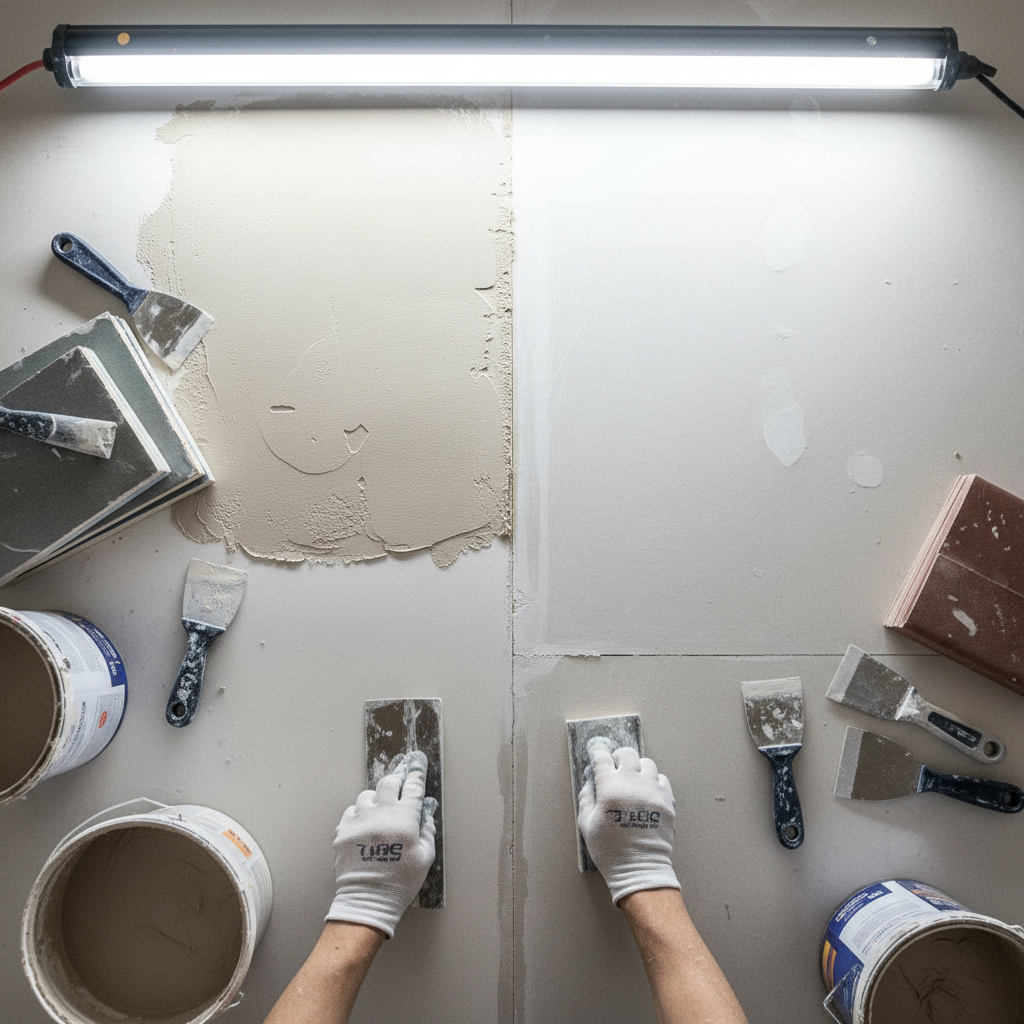
One of the most common mistakes people make when painting their home is skipping the preparation phase. Properly preparing your walls can make a significant difference in the final result. Ensure that you clean the walls, fill in any holes or cracks, and sand down rough areas before you begin painting. This ensures a smooth, even surface that will make your paint job look professional.
Another crucial step in preparation is using painter's tape to protect areas you don't want painted. This includes trim, windows, and ceilings. Skipping this step can result in a messy look and extra work scraping off unwanted paint.
Choosing the Right Paint
Choosing the wrong type of paint can lead to a poor finish and durability issues. It's essential to select a paint that is suitable for the room's purpose and conditions. For example, kitchens and bathrooms benefit from moisture-resistant paints, while living areas can use standard interior paint. Additionally, consider the finish—whether you want a matte, eggshell, or glossy look.
Color choice is another area where people often make mistakes. Ensure you test paint samples on your wall to see how they look at different times of the day. This can help you avoid a color that may appear different under various lighting conditions.
Using the Right Tools
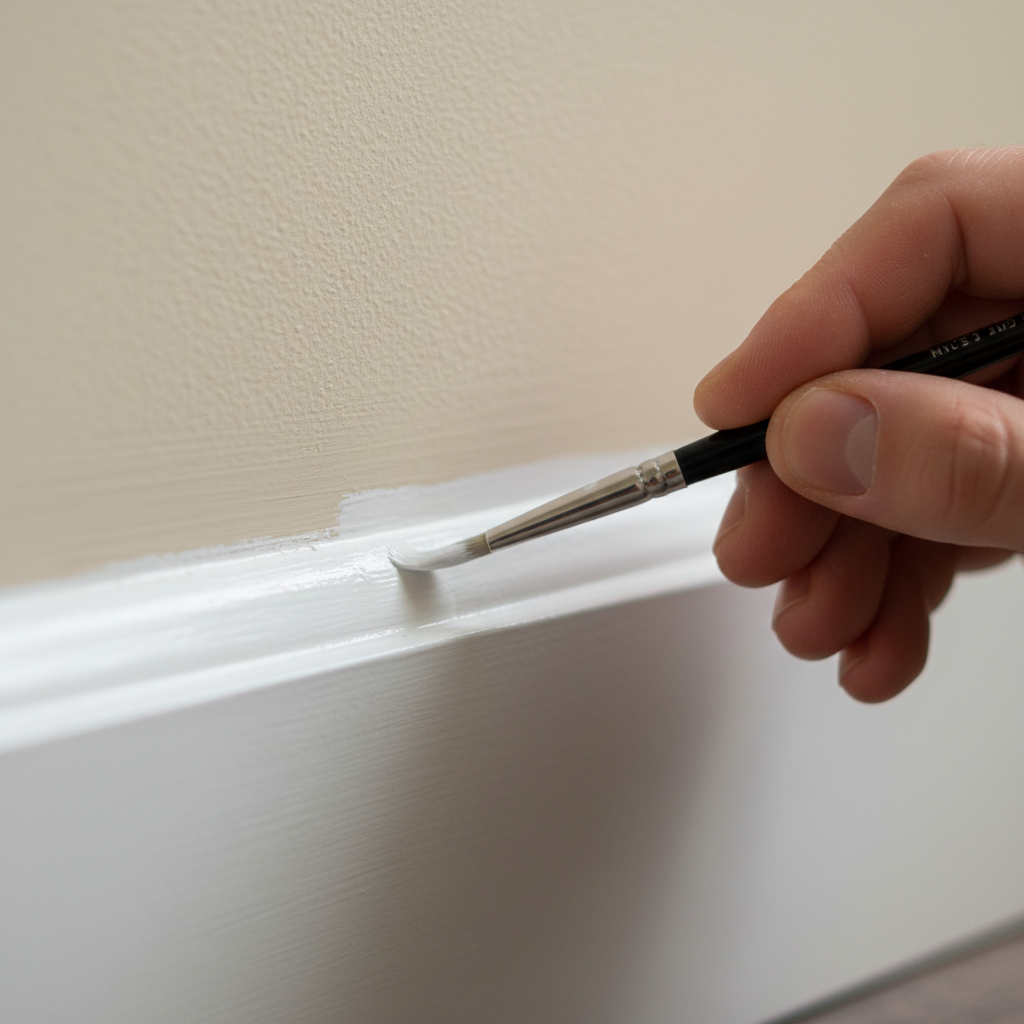
Investing in quality brushes and rollers can make a big difference in the application of your paint. Cheap brushes often leave streaks and bristles behind, while low-quality rollers can create a patchy finish. Ensure you have a range of brush sizes to tackle different areas effectively, especially in corners and around trim.
Don't forget the importance of a good ladder. Reaching high areas safely and comfortably is crucial, and the right ladder can make the job much easier and safer.
Applying Paint Correctly
Applying too much paint at once can lead to drips and uneven surfaces. It’s better to apply several thin coats rather than one thick coat. Allow each coat to dry thoroughly before applying the next to achieve a smooth and even finish.
Avoiding the "W" or "M" technique when rolling paint on walls is another common error. Instead, use a "V" or "N" pattern to ensure even coverage and avoid roller marks.
Ignoring Ventilation
Proper ventilation is vital when painting indoors. Ensure that windows are open and fans are used to circulate fresh air. This not only helps the paint dry faster but also reduces exposure to fumes that can be harmful over time.
By avoiding these common mistakes, you can achieve a beautiful, long-lasting paint job that enhances your home’s appearance. Remember, patience and attention to detail are your best tools for a successful home painting project.