DIY House Painting Tips from the Pros: What You Need to Know


Transforming your home's interior or exterior with a fresh coat of paint can be a rewarding DIY project. With the right preparation and techniques, you can achieve professional-looking results. Here are some essential tips from the pros to guide you through your DIY painting journey.
Preparation is Key
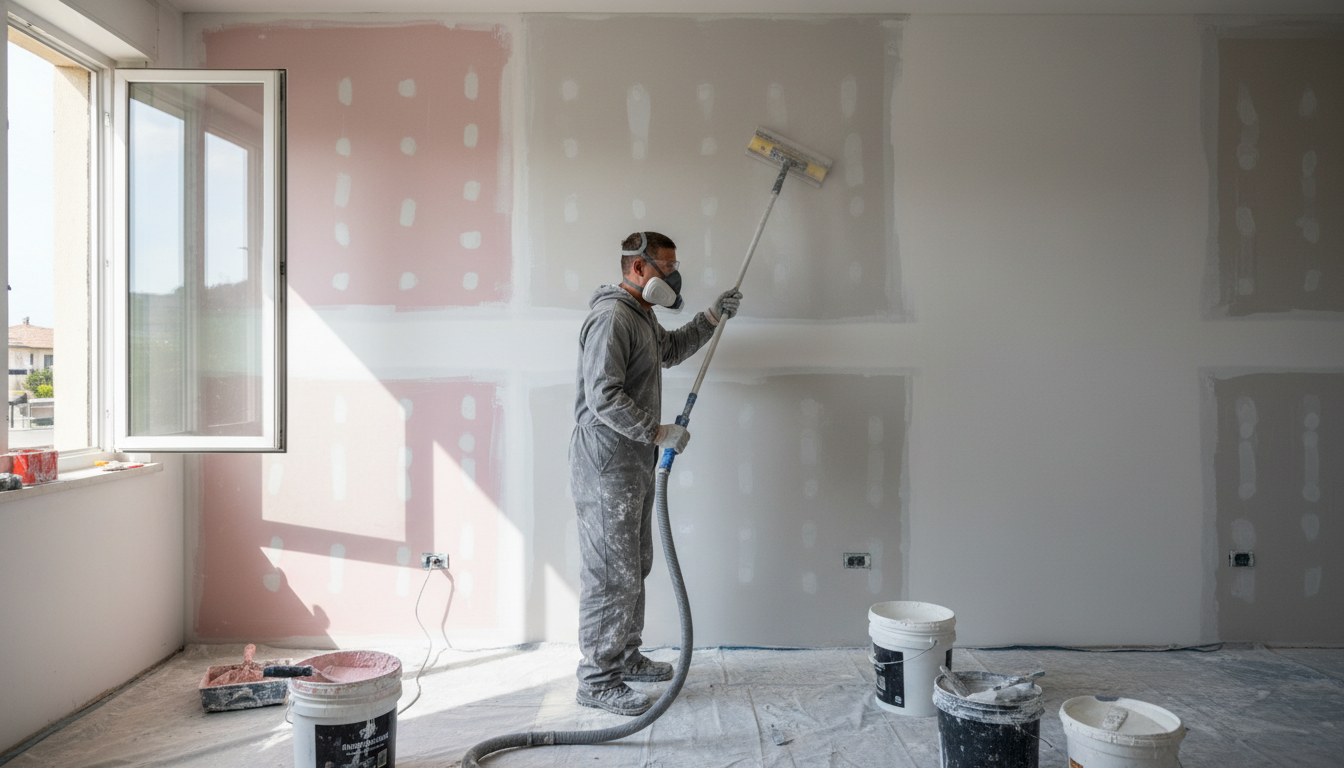
Before you even dip your brush into the paint, ensure that your surfaces are ready. Clean walls thoroughly to remove dust and grime, as these can prevent paint from adhering properly. For exterior surfaces, a pressure washer can be highly effective.
Next, repair any cracks or holes with filler and sand them smooth. For the best finish, use a primer, especially if you're painting over a darker color or a glossy surface. Priming helps create a uniform base and enhances the paint's durability.
Choosing the Right Tools and Paint
Investing in quality brushes and rollers can make a significant difference in the application process. Choose brushes with synthetic bristles for water-based paints and natural bristles for oil-based paints. For large surfaces, a roller with the appropriate nap length will ensure even coverage.
Selecting the right type of paint is equally important. For interiors, consider the room's function—matte finishes hide imperfections but are less washable, while semi-gloss or satin finishes are more durable in high-traffic areas. For exteriors, weather-resistant paints are a must to withstand the elements.
Mastering the Technique
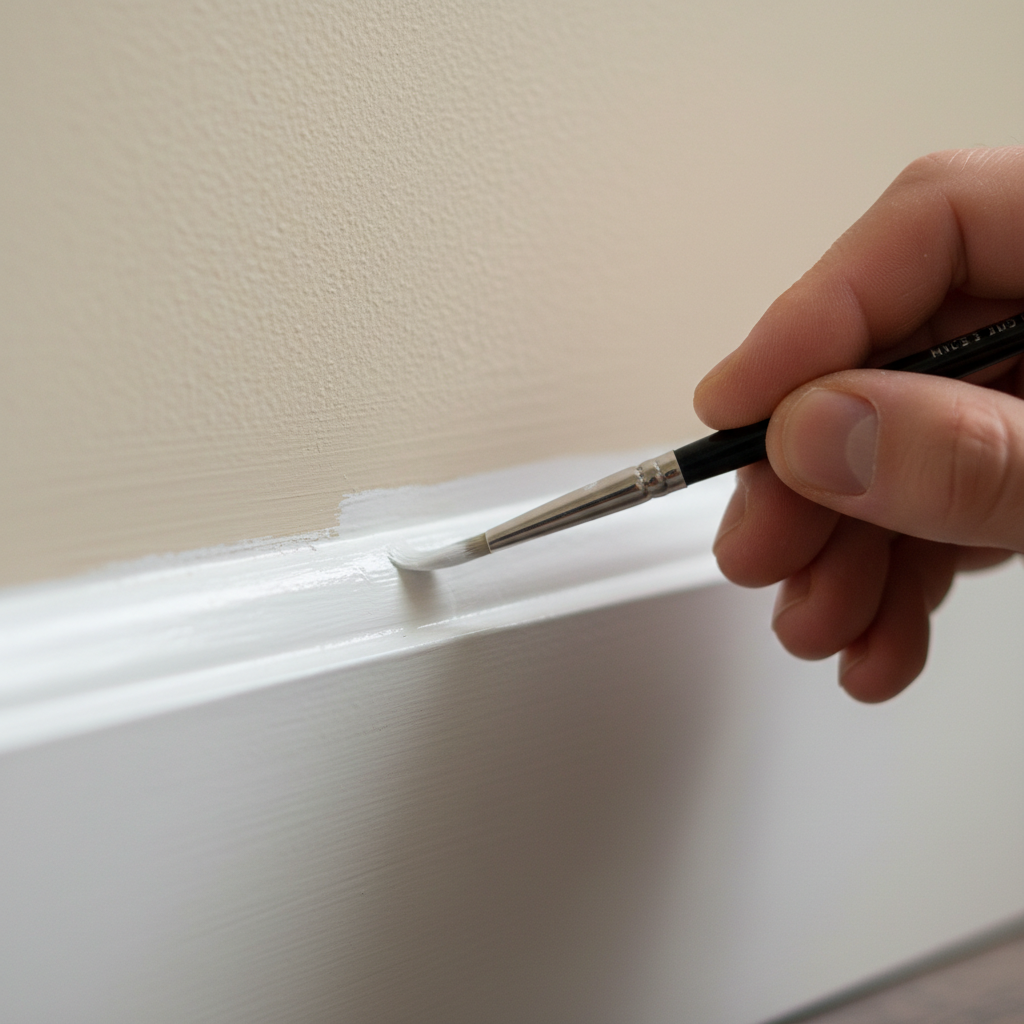
When it's time to paint, start with the edges using a brush, a technique known as "cutting in." This allows for precise application along corners and edges. Once the edges are complete, you can fill in the larger areas with a roller using long, even strokes.
Apply multiple thin coats rather than one thick coat. This ensures a more even finish and reduces the risk of drips and runs. Allow each coat to dry fully before applying the next, following the manufacturer's recommended drying times.
Finishing Touches
After the final coat, inspect your work for any missed spots or uneven areas. Touch them up carefully to ensure a flawless finish. Once the paint is dry, remove any painter's tape at a 45-degree angle to prevent peeling.
Clean your brushes and rollers immediately after use to prolong their lifespan. Water-based paints can be cleaned with soap and water, while oil-based paints require mineral spirits or paint thinner.
Safety First
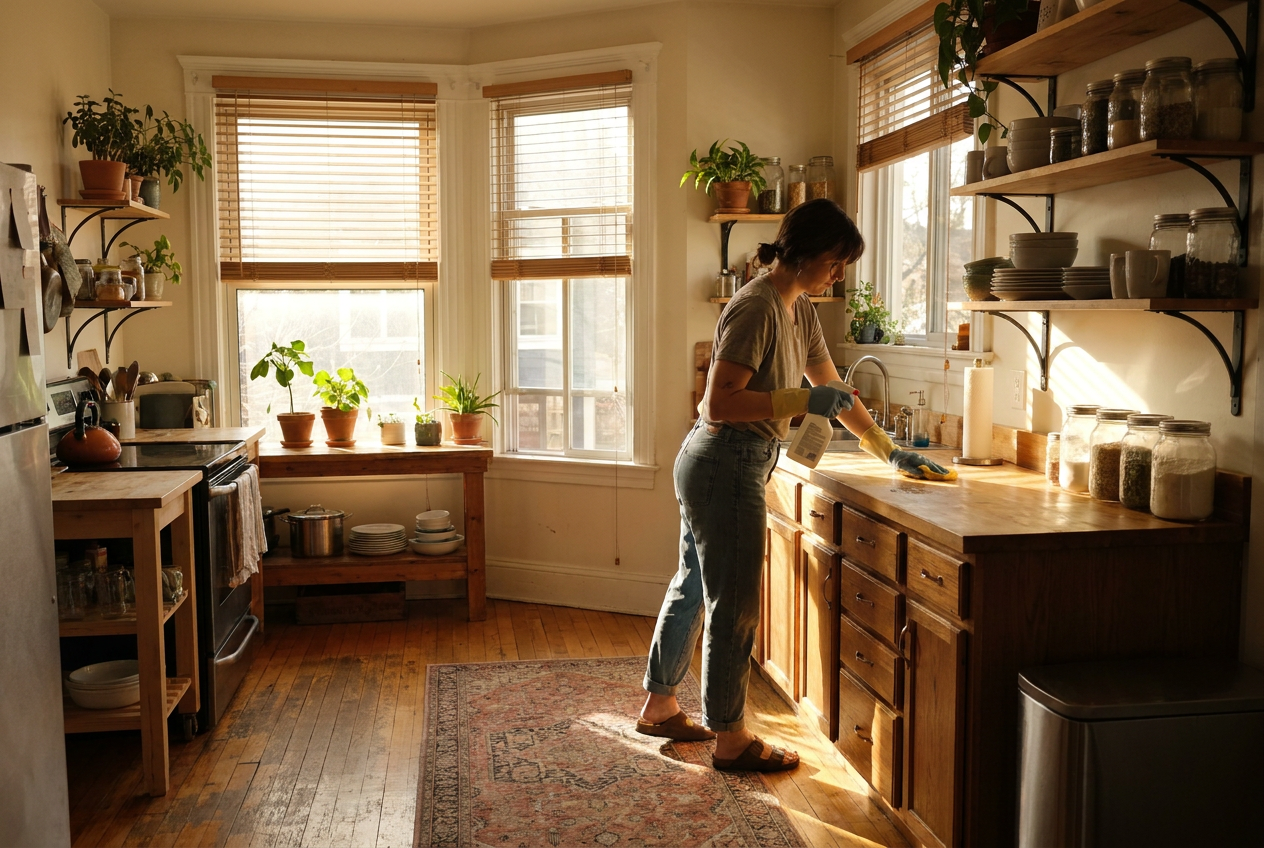
Safety should always be a priority when painting. Ensure proper ventilation when working with paints, especially indoors, to avoid inhaling fumes. Wear protective gear such as masks, gloves, and eyewear.
If you're using a ladder, make sure it's on a stable surface and never overreach. Move the ladder as needed to keep your body centered between the rails.

By following these expert tips, you can achieve a professional look with your DIY painting project. Remember, patience and preparation are just as important as the painting itself. Happy painting!