How to Paint a Room Like a Pro: Step-by-Step Tutorial


Preparing the Room
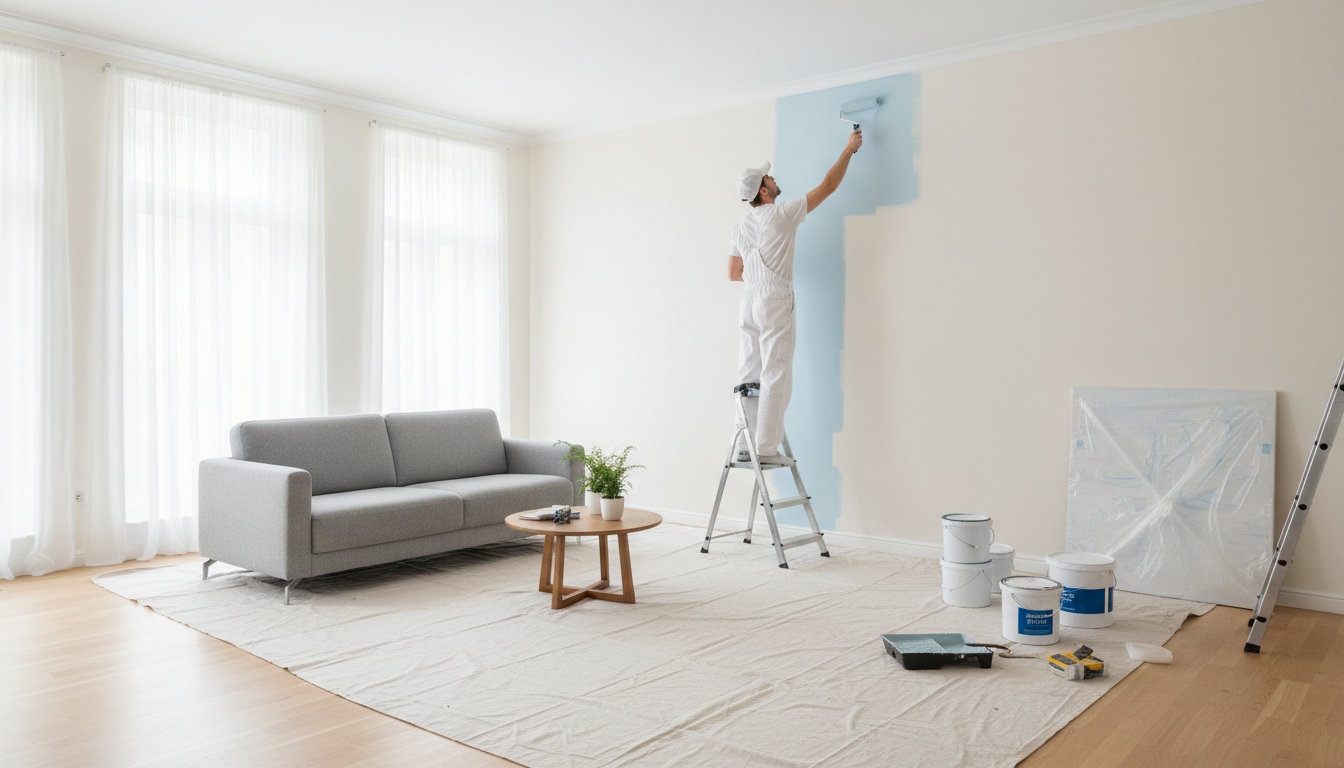
Before you start painting, it's essential to prepare the room properly. Begin by removing all furniture or covering it with drop cloths to protect against paint splatters. Make sure to also cover the floors with canvas or plastic sheeting.
Next, clean the walls to remove dirt and grease, which can prevent the paint from adhering properly. Use a mild detergent and water solution, and allow the walls to dry completely.
Gathering Your Supplies
Having the right tools can make a significant difference in your painting project. You'll need brushes, rollers, painter's tape, a paint tray, and, of course, high-quality paint. Consider using a painter's pole to reach high areas without a ladder.
Don’t forget to choose the right type of paint for your room. For high-moisture areas, such as bathrooms, opt for mildew-resistant paint. For vibrant colors, select a paint type with high pigment concentration.
Priming the Walls
Priming is a crucial step to ensure a smooth and even finish. Apply a coat of primer to the walls, particularly if you're painting over a darker color or a new surface. This step helps in sealing the surface and improving the paint's adhesion.
Choosing the Right Paint Technique
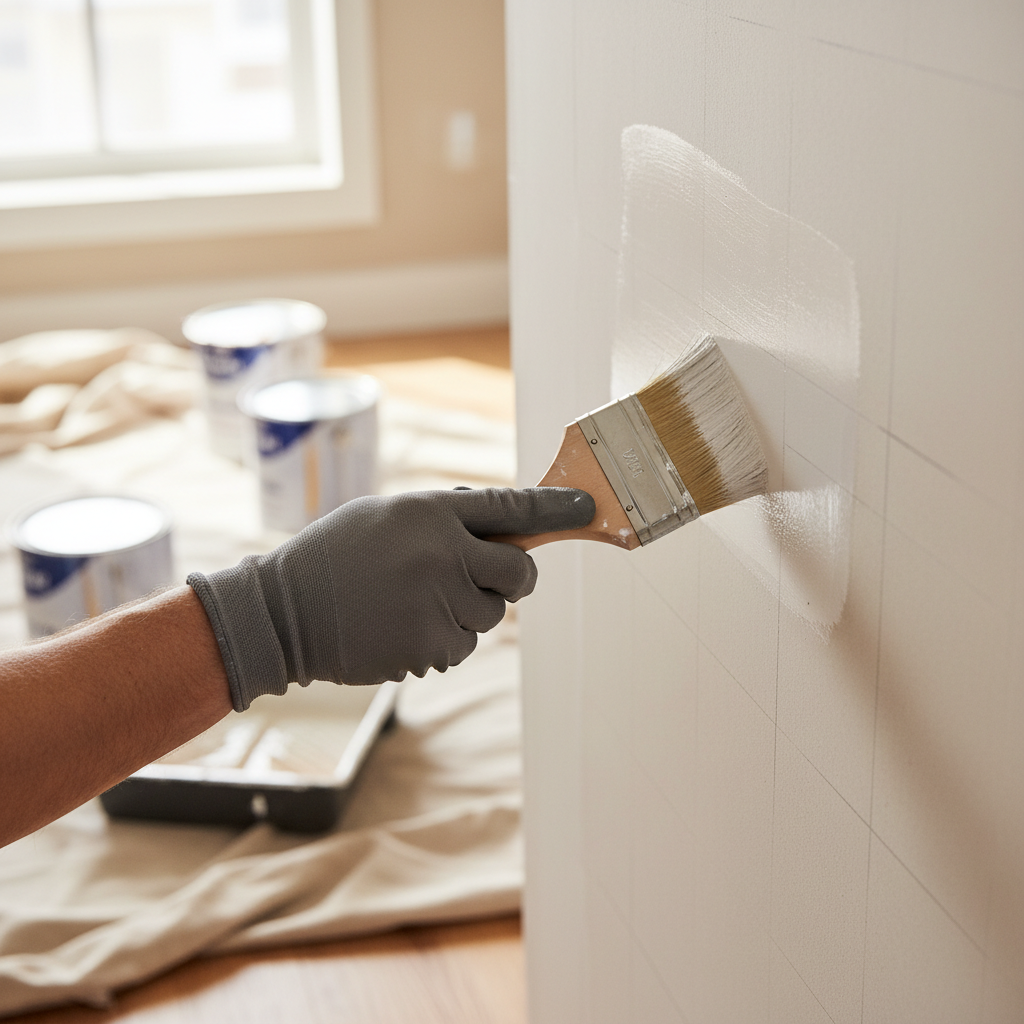
Decide on the painting technique that suits your style. For a modern look, consider using a roller for the main areas and a brush for the edges and corners. If you're aiming for a textured finish, explore options like sponging or rag rolling.
Painting the Room
Start by painting the edges and corners with a brush. This technique, known as "cutting in," will create a border for the roller to follow. Once the edges are done, use the roller for the larger wall areas, applying paint in a "W" or "M" pattern to avoid streaks.
Allowing for Drying Time
After applying the first coat, allow the paint to dry completely. Follow the manufacturer's instructions for drying time, as this can vary depending on the paint type and environmental conditions. Proper drying ensures the best possible finish.
Applying Additional Coats
Most walls will require at least two coats of paint for full coverage. Once the first coat is dry, apply a second coat using the same technique. Be sure to inspect the walls for any missed spots or uneven areas and touch them up as needed.
Cleaning Up
Once you're satisfied with the paint job, it's time to clean up. Remove the painter's tape before the paint fully dries to avoid peeling. Clean your brushes and rollers with warm, soapy water, or follow the paint manufacturer's cleaning instructions.
Finally, enjoy your beautifully painted room! With careful preparation and attention to detail, you've transformed your space like a pro.