How Weather Affects House Painting: Adjusting for Your Local Climate


Understanding the Impact of Weather on House Painting
When planning to paint your house, it’s crucial to consider how weather can affect the outcome. The paint’s adhesion, drying time, and longevity can all be influenced by the climate in your area. Understanding these factors helps ensure a successful painting project.
The Effects of Temperature
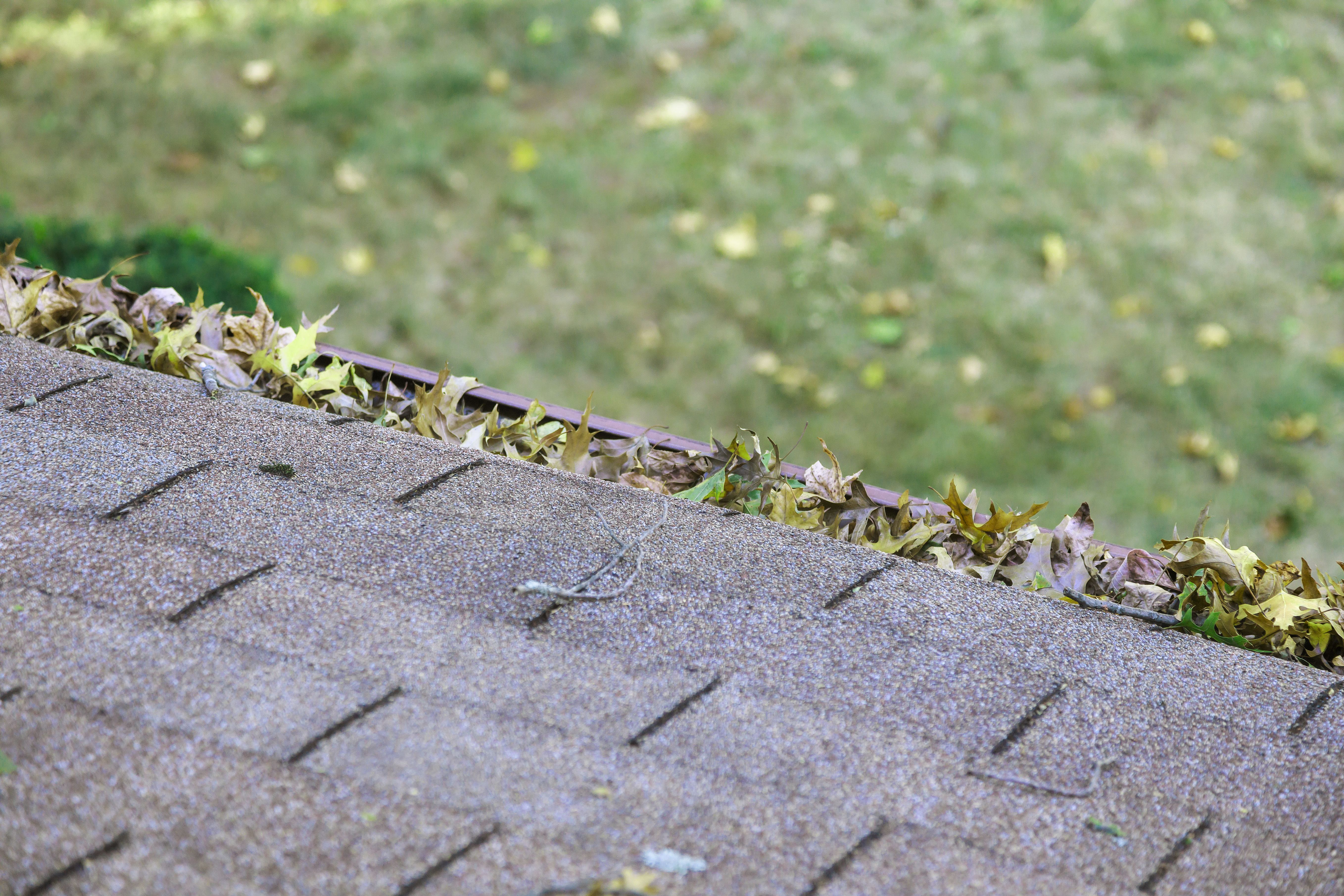
Temperature plays a significant role in house painting. Both extreme heat and cold can impact paint application and drying. Ideally, paint should be applied in temperatures between 50°F and 85°F. If it’s too cold, the paint may not adhere properly, leading to cracks. Conversely, high temperatures can cause the paint to dry too quickly, resulting in a patchy finish.
To mitigate these issues, plan your painting project during moderate temperatures, typically in spring or fall. This ensures optimal drying conditions and a smooth finish.
Humidity Levels
Humidity is another factor that can affect house painting. High humidity levels can slow down the drying process, leading to drips and uneven coverage. On the other hand, low humidity can cause paint to dry too quickly, which might result in brush marks and poor texture.
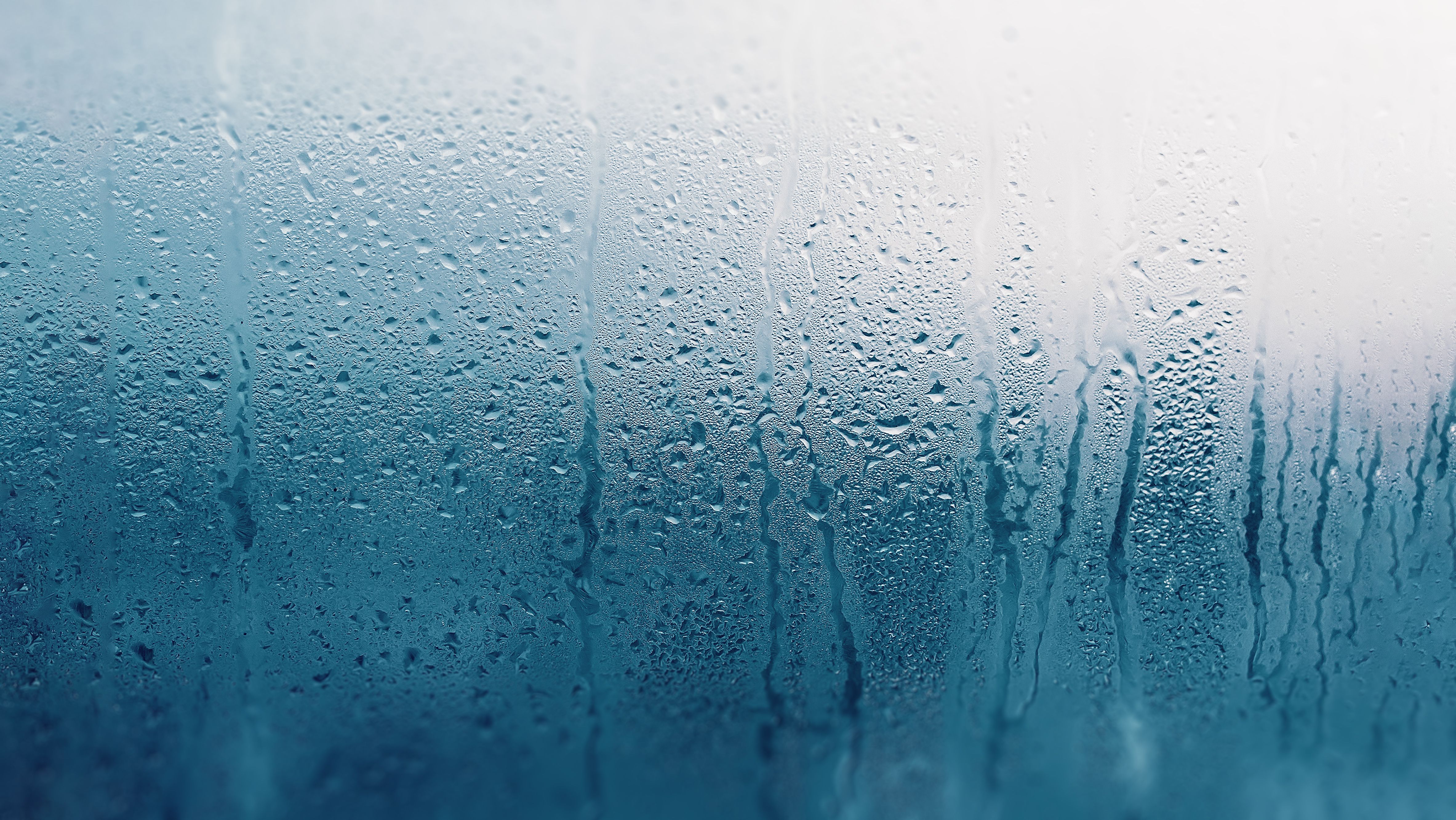
To achieve the best results, aim to paint on days when the humidity is between 40% and 70%. You can also use dehumidifiers or fans to control moisture levels during your project.
Rain and Moisture Concerns
Rain and moisture can be detrimental to exterior painting projects. Wet surfaces prevent paint from adhering properly, which can lead to peeling and bubbling over time. It’s best to avoid painting right before or after a rainstorm. Always ensure surfaces are completely dry before applying paint.
Consider checking weather forecasts and scheduling your project during dry spells. This will help ensure that the paint adheres well and lasts longer.
Wind and Its Challenges
Windy conditions can complicate the painting process. Strong winds can blow dust and debris onto wet paint, affecting the finish. Additionally, wind can cause paint to dry unevenly, leading to an irregular appearance.
To combat these issues, consider erecting windbreaks or using tarps to protect your work area. This will help maintain a clean surface and provide a more controlled environment.
Conclusion: Planning for Success
By considering your local climate and weather patterns, you can better plan your house painting project. Adjusting for temperature, humidity, rain, and wind will help ensure a long-lasting and attractive finish. Proper planning and timing are key to achieving the best results for your home.