How Weather Can Affect Your House Painting Project


Introduction
House painting is a significant undertaking that can transform the look and feel of your home. However, many homeowners overlook the impact of weather conditions on their painting projects. Understanding how different weather elements can affect your project is crucial for achieving the best results.
Temperature and Its Impact
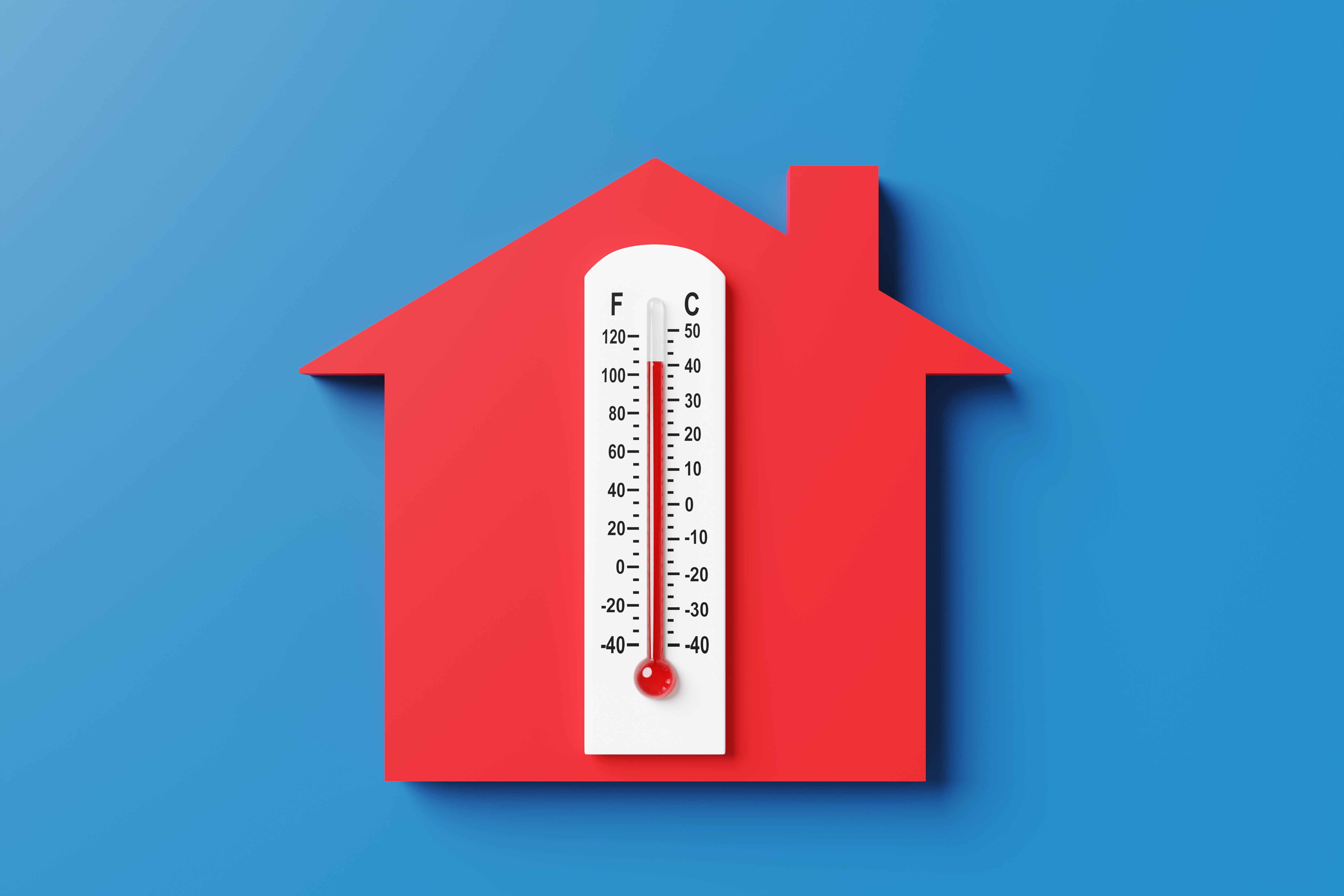
Temperature plays a vital role in how paint adheres to surfaces. Ideally, the temperature should be moderate, between 50°F and 85°F. Extreme heat can cause the paint to dry too quickly, leading to cracks and uneven finishes. Conversely, cold temperatures can slow down the drying process, affecting adhesion.
For optimal results, consider painting during late spring or early fall when temperatures tend to be more stable. This can help ensure your paint job lasts longer and looks better.
Humidity Levels
Humidity is another important factor to consider. High humidity levels can lead to moisture being trapped under the paint, which may cause bubbling and peeling over time. On the other hand, low humidity can cause the paint to dry too quickly, affecting its finish and durability.
To mitigate these issues, aim to paint when humidity levels are between 40% and 70%. This range allows for optimal drying and adhesion conditions.
Precipitation Concerns
Rain can be a major disruptor for any painting project. Not only can it wash away fresh paint, but it can also prevent the paint from adhering properly to surfaces. If rain is in the forecast, it's best to postpone your painting plans.
Ensure that the surface is completely dry before starting your project. It might be necessary to wait a few days after heavy rain to allow surfaces to dry out thoroughly.
Windy Conditions
Wind can be a hidden adversary in house painting. Strong winds can carry dust and debris, which may stick to wet paint and ruin the finish. Moreover, wind can cause uneven drying, leading to visible brush strokes or roller marks.
On windy days, it's wise to either delay the project or take precautions by setting up windbreaks to protect the area being painted.
Seasonal Considerations
Different seasons bring their own set of challenges and advantages. While spring and fall offer moderate temperatures and humidity, summer and winter can pose difficulties with extreme temperatures and precipitation.
- Spring: Ideal for exterior painting with moderate temperatures.
- Summer: Suitable but watch for high temperatures and humidity.
- Fall: Offers stable temperatures; ensure it’s not too late in the season.
- Winter: Generally not recommended for outdoor painting.
Conclusion
Weather conditions significantly influence the success of your house painting project. By understanding and planning around temperature, humidity, precipitation, and wind, you can ensure a high-quality, long-lasting finish. Always check the weather forecast before starting, and be prepared to adjust your schedule as needed to achieve the best results.