How Weather Conditions Affect Exterior House Painting


Understanding the Impact of Weather on Exterior House Painting
When it comes to painting the exterior of your home, weather conditions play a crucial role in determining the quality and longevity of the paint job. Choosing the right time and understanding how different weather conditions can affect your project is essential for achieving the best results.
The Role of Temperature
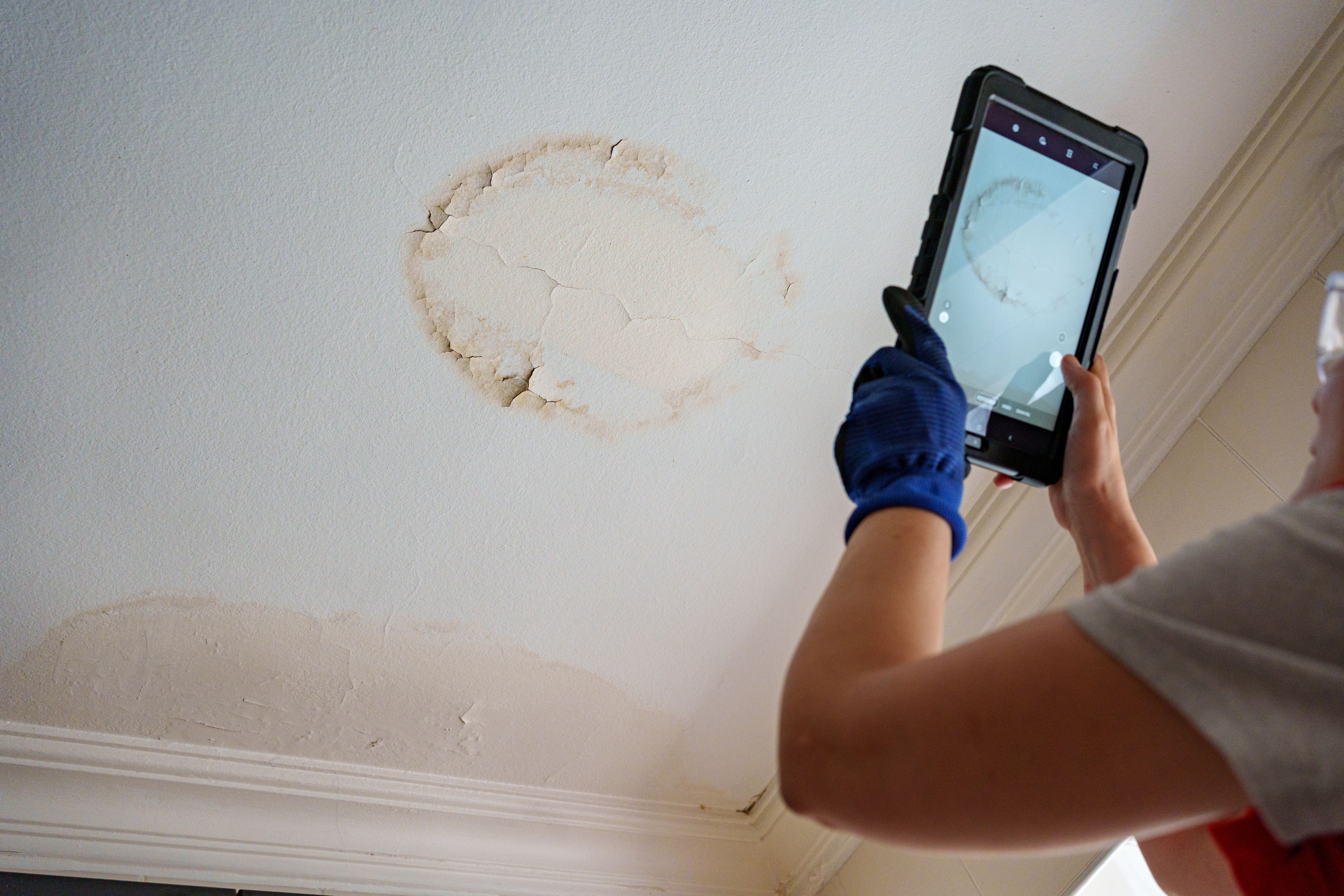
Temperature is a significant factor when painting outside. Ideally, the temperature should be between 50°F and 85°F for optimal results. If it's too cold, the paint may not dry properly, leading to cracking and peeling. On the other hand, if it's too hot, the paint may dry too quickly, preventing it from adhering correctly to the surface.
Humidity Levels
Humidity is another critical element to consider. High humidity levels can cause the paint to take longer to dry, increasing the risk of sagging and running. Conversely, extremely low humidity may cause the paint to dry too quickly, leading to an uneven finish. Monitoring humidity levels and aiming for a range between 40% and 70% is ideal.
Wind and Its Effects
Windy conditions can pose a challenge during exterior painting. Strong winds can lead to uneven paint application and may cause dust and debris to stick to wet paint, creating an unsightly finish. It's best to choose a calm day to ensure a smooth and even coat.
Rain and Moisture
Rain is undoubtedly one of the biggest enemies of exterior painting. Moisture can prevent the paint from adhering correctly and may lead to bubbling and blistering. It's crucial to check the weather forecast and avoid painting when rain is expected within 24 hours.

Seasonal Considerations
Each season presents its own set of challenges and opportunities for exterior painting. Spring and early fall are often considered the best times due to moderate temperatures and lower humidity. However, depending on your location, summer or winter may also offer suitable conditions if you plan accordingly.
Preparing for Weather Conditions
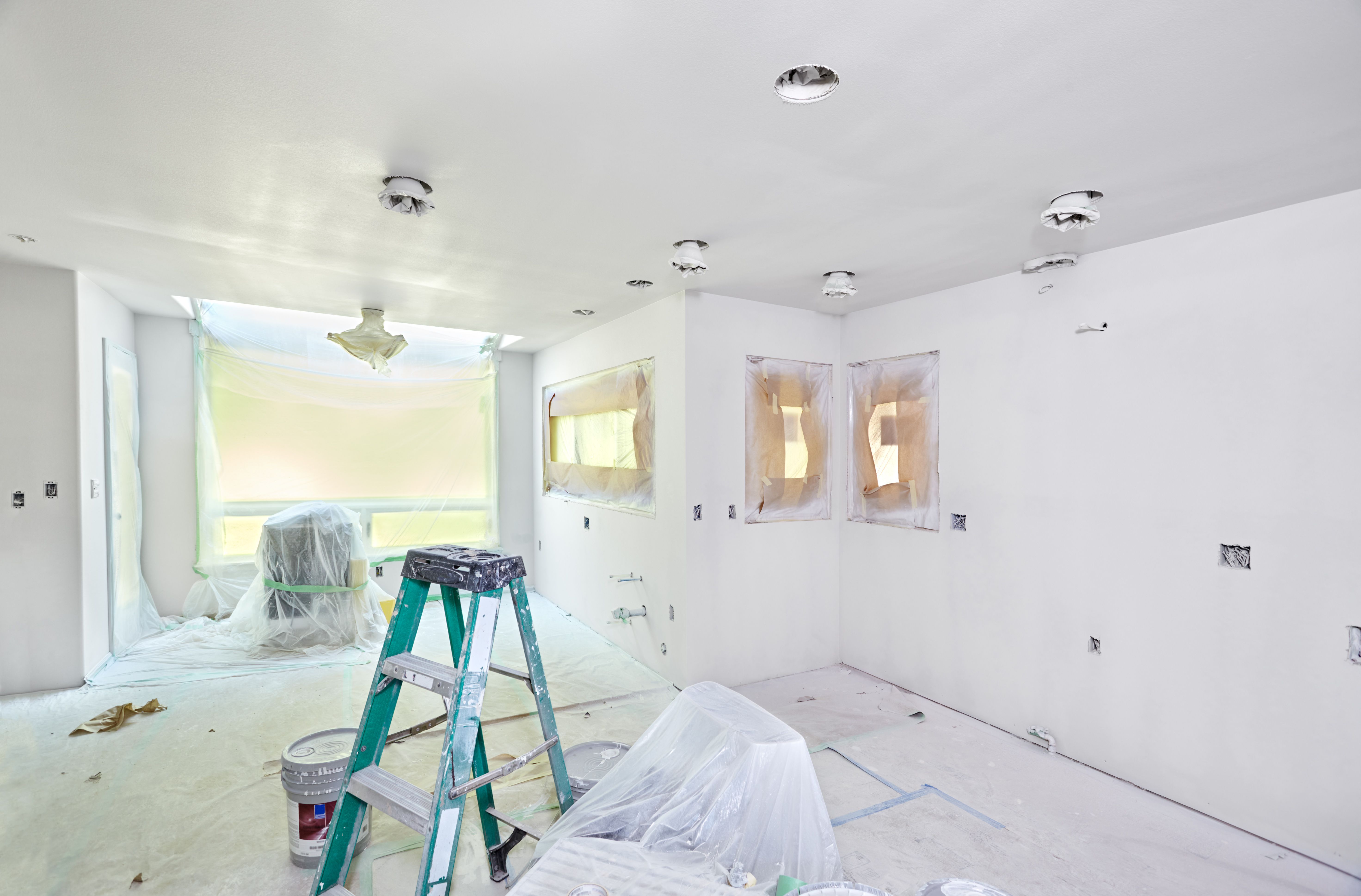
Proper preparation can mitigate some of the adverse effects of weather on your painting project. This includes cleaning and priming surfaces, choosing the right type of paint, and using weather-resistant materials. These steps can help ensure a more durable and long-lasting finish.
Choosing the Right Paint
Selecting paint specifically designed for exterior use can make a significant difference. Look for paints that offer UV protection and are formulated to withstand varying weather conditions. This will help maintain the vibrancy and integrity of your paint job over time.
By understanding how weather conditions affect exterior house painting and planning accordingly, you can achieve a beautiful, long-lasting finish that enhances the curb appeal of your home. Always consider consulting with a professional if you have any doubts about the timing or conditions for your painting project.