Seasonal Painting Tips: How to Protect Your Home's Exterior


Understanding the Impact of Seasons on Exterior Paint
Painting the exterior of your home is not just about aesthetics; it's also about protection. The changing seasons can have a significant impact on your home's exterior. Understanding how different weather conditions affect your paint can help in selecting the right materials and application techniques.
The primary goal is to ensure your home's exterior can withstand harsh weather conditions, such as intense sun, heavy rain, and freezing temperatures. By choosing the right paint and applying it correctly, you can protect your home effectively.
Choosing the Right Paint for the Season
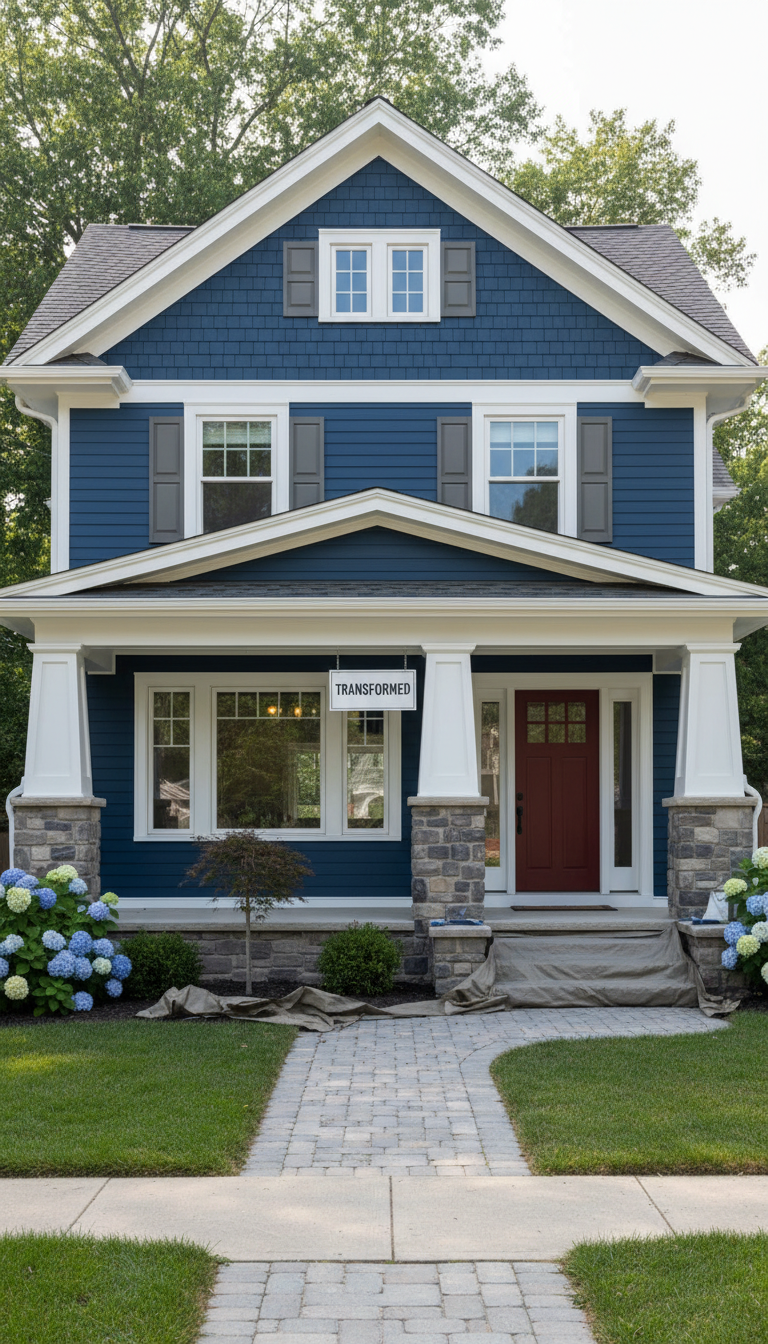
Different seasons require different types of paint. For instance, in warmer months, water-based latex paints are ideal as they dry quickly and expand and contract with the heat. In contrast, oil-based paints are better for cooler months because they cure more slowly and can withstand lower temperatures.
Regardless of the season, always opt for high-quality exterior paint. It might be more expensive initially, but it provides better coverage, durability, and protection against weather elements.
Consider the Finish
The finish of the paint also plays a crucial role in protection. A satin or semi-gloss finish is recommended for exterior surfaces as they resist moisture better and are easier to clean. These finishes also tend to highlight architectural details, adding to the curb appeal of your home.
Preparing Your Home for Painting
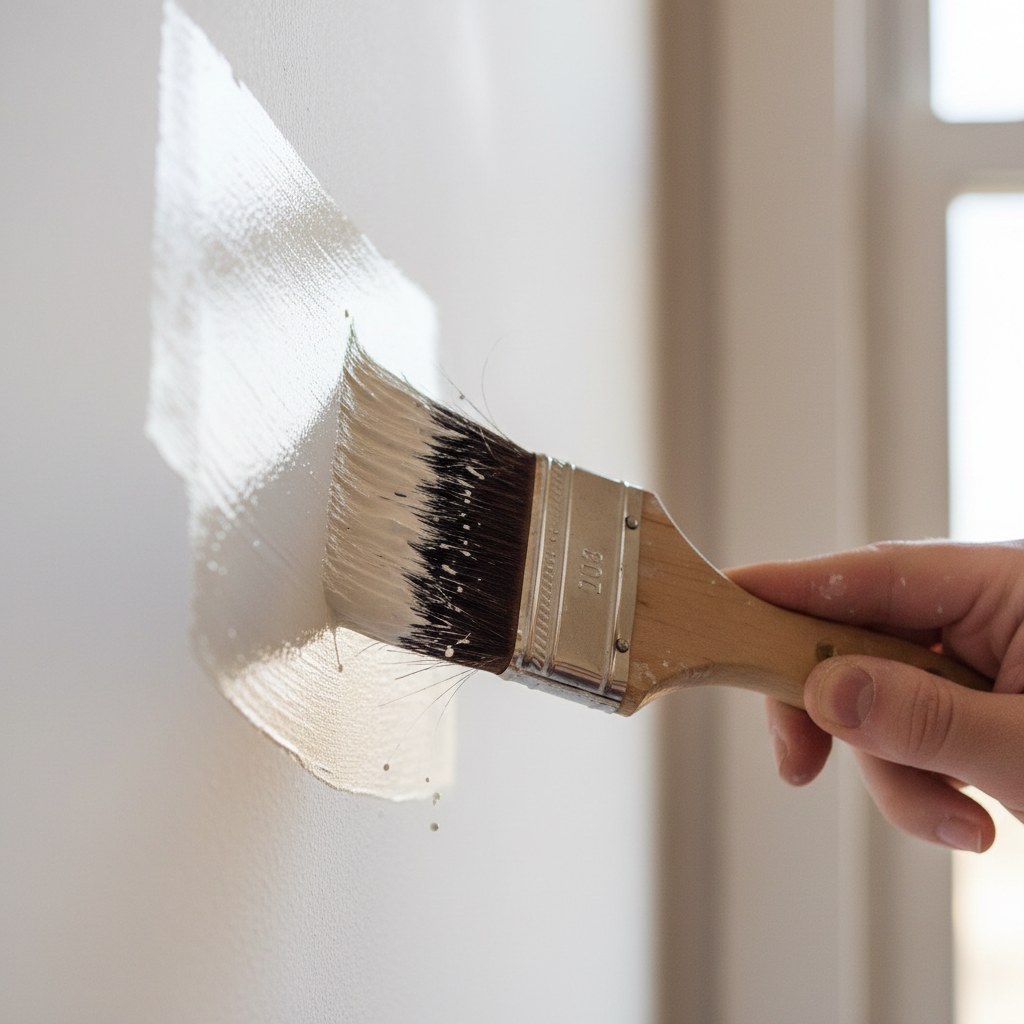
Preparation is key to a successful painting project. Start by cleaning the exterior surfaces thoroughly to remove dirt, mildew, and loose paint. Pressure washing is an effective method for this task. Ensuring a clean surface helps the new paint adhere better and last longer.
Next, inspect your home for any damage or areas that need repair. Address issues such as cracked siding, loose boards, and damaged caulk. These repairs prevent moisture from seeping in and causing further damage.
Timing Your Painting Project
The timing of your painting project can greatly influence the outcome. Aim to paint during mild weather conditions. Extreme temperatures and humidity can affect the drying and curing process, leading to potential issues like cracking and peeling.
Applying the Paint
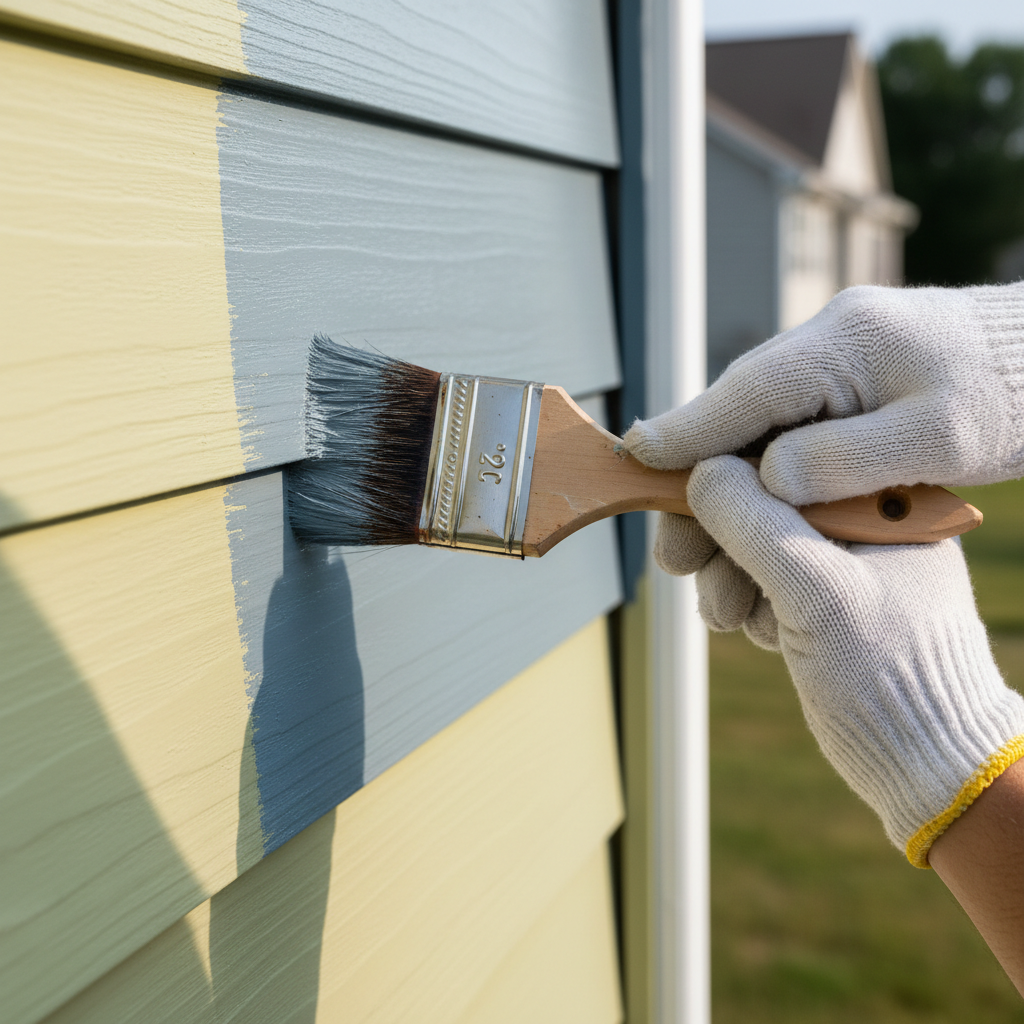
When it comes to application, using the right tools and techniques is essential. High-quality brushes and rollers ensure even coverage and a smoother finish. Consider using a primer before applying the topcoat, especially if you're making a drastic color change or painting a porous surface.
Apply the paint in thin, even coats, allowing adequate drying time between each layer. This approach enhances durability and gives a professional-looking finish.
Regular Maintenance
Once the painting is complete, regular maintenance is vital to keep your home's exterior in good condition. Inspect your paint job annually for signs of wear and touch up any areas that need attention. This routine upkeep can extend the life of your paint job and protect your home for years to come.

By following these seasonal painting tips, you can ensure your home's exterior not only looks beautiful but is also well-protected against the elements. Investing in quality materials and proper techniques will provide long-lasting results, enhancing your home's value and curb appeal.