The Ultimate Guide to Choosing the Right House Paint Colors


Understanding the Basics of Color Selection
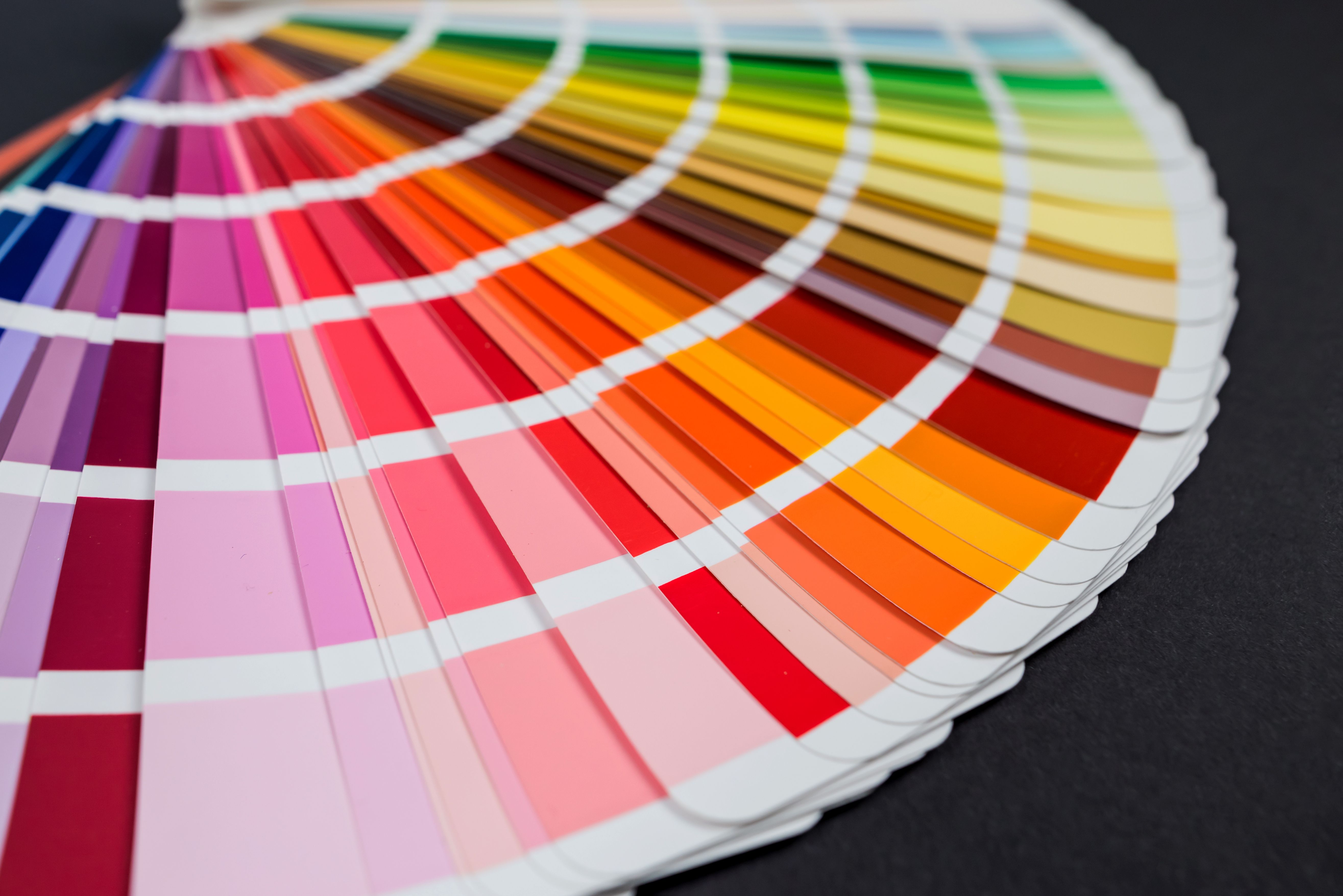
Choosing the right paint colors for your home can be a daunting task. The colors you select can dramatically affect the mood, perception, and aesthetic of each room. Before diving into color swatches, it's essential to understand the basic principles of color theory. Colors are often categorized into warm, cool, and neutral tones. Warm colors, like reds and yellows, can energize a space, while cool colors, such as blues and greens, tend to have a calming effect.
Neutral colors, including shades of white, gray, and beige, offer versatility and can be paired with a variety of accent colors. Understanding these categories can help guide your initial decisions and inspire combinations that suit your style and the function of each room.
Consider the Room's Purpose and Mood
Each room in your house serves a different purpose, and the paint color you choose should reflect that. For instance, a bedroom is a place for relaxation, so softer, more muted tones may be appropriate. On the other hand, a kitchen or dining room might benefit from more vibrant, lively colors to stimulate conversation and appetite.
Consider how you want to feel in each room and choose colors that evoke those emotions. For example, a serene pale blue might be perfect for a bathroom, while a bold red could add drama to a dining room.

Lighting's Impact on Color
Natural and artificial lighting can greatly influence how paint colors appear in your home. A color that looks perfect in the store might look entirely different under your home’s lighting conditions. It's crucial to test paint samples on your walls and observe them at different times of the day to ensure they meet your expectations.
Consider the direction your windows face, as north-facing rooms might require warmer tones to balance the cooler light, while south-facing rooms can handle cooler shades.
Creating Cohesion with a Color Palette
To create a harmonious flow throughout your home, consider developing a cohesive color palette. This doesn’t mean every room has to be the same color, but rather that the colors complement each other. A successful palette often includes a dominant base color, a secondary color, and one or two accent colors.

Using this method allows you to maintain a consistent feel while giving each room its own personality. Accent colors can be introduced through accessories and furnishings to tie the whole look together.
Trends vs. Timeless Colors
While it might be tempting to follow the latest color trends, it's essential to consider longevity. Trendy colors can quickly become outdated, and repainting can be time-consuming and costly. Opt for timeless colors that you love and that will stand the test of time.
If you’re eager to incorporate trends, consider doing so through smaller, easily changeable elements like throw pillows or artwork, rather than committing to a bold wall color.

Practical Tips for Testing and Choosing
Once you've narrowed down your options, purchase sample sizes and apply them to your walls. Pay attention to how the colors change with lighting and over time. It’s also wise to observe how the colors look next to your furniture, flooring, and other permanent fixtures.
Finally, trust your instincts. While advice from professionals and friends can be helpful, your home should reflect your personal taste and style.
By following these guidelines, you’ll be well-equipped to choose the perfect paint colors that bring your vision to life and create a space that feels uniquely yours.