The Ultimate Guide to Choosing the Right House Paint Colors for Your Home


Understanding the Basics of Color Theory
Choosing the right paint colors for your home starts with understanding the basics of color theory. The color wheel is a helpful tool that demonstrates relationships between colors. Primary colors—red, blue, and yellow—combine to create secondary colors, while tertiary colors are blends of primary and secondary hues. Understanding these relationships can help you select complementary colors that enhance your space.
Color temperature is another essential concept. Warm colors like reds and yellows can create a cozy atmosphere, while cool colors such as blues and greens offer a calming effect. Balancing these temperatures can significantly impact the ambiance of your home.

Considering Lighting and Space
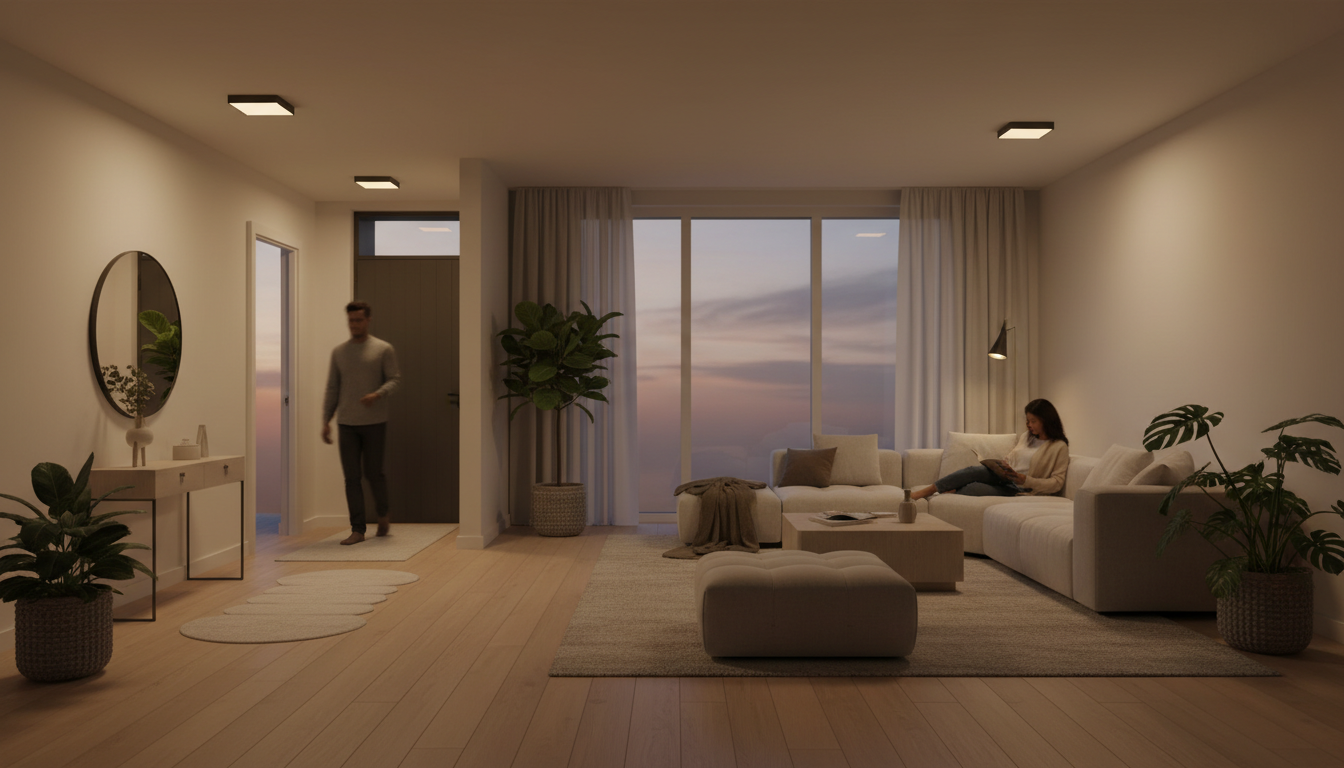
Lighting plays a crucial role in how paint colors appear. Natural light can make colors look brighter and more vibrant, while artificial lighting may cast different hues. When choosing paint colors, consider the direction your room faces. North-facing rooms may benefit from warmer colors to offset cooler natural light, whereas south-facing rooms might embrace cooler tones.
Additionally, the size of the room should influence your color choices. Lighter colors can make a space feel larger and more open, while darker shades can create a cozy, intimate environment. Consider using a combination of both to define different areas within a room.
Coordinating with Your Home’s Style
Your home’s architectural style and existing décor should also guide your paint color selection. A modern home might benefit from a neutral palette with bold accent colors, whereas a traditional home may look stunning with classic, muted tones. Consider your furniture, flooring, and other elements to ensure harmony throughout your space.
For a cohesive look, you can select a color scheme that flows from room to room. This doesn't mean every room needs to be the same color, but the palette should be complementary to create a unified feel.
Testing Paint Colors
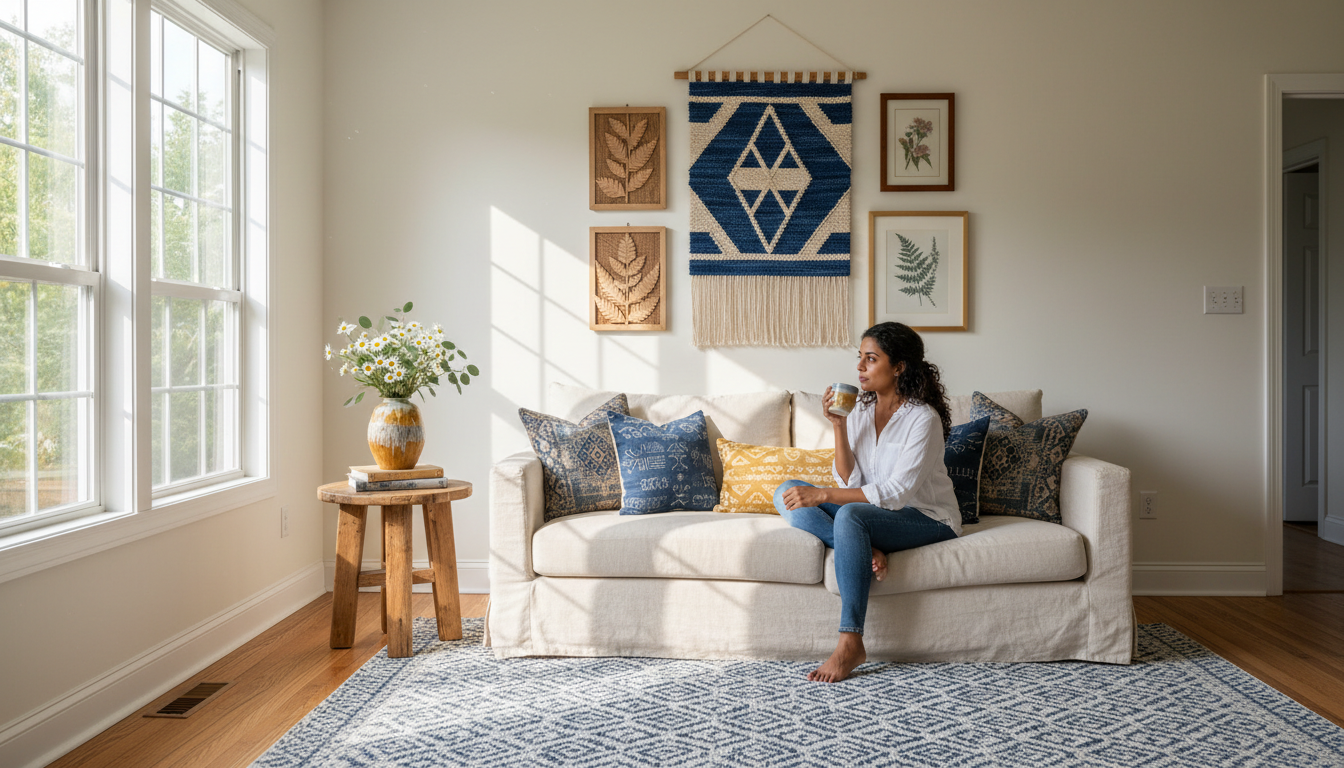
Before committing to a color, it’s wise to test it in your space. Paint samples on your walls to see how they look at different times of the day. This will give you a better sense of how the color interacts with your lighting and furnishings. Remember, colors can appear differently on your walls than they do on a paint chip.
Consider painting a large swatch or using peel-and-stick samples to move around the room. This flexibility allows you to see how the color works with the room’s lighting and angles.
Choosing the Right Finish
The finish of your paint is as important as the color itself. Different finishes can affect the appearance and durability of your paint. Common finishes include:
- Flat/Matte: Offers a non-reflective finish, ideal for low-traffic areas.
- Eggshell: Slightly more reflective, suitable for living rooms and bedrooms.
- Satin: Durable and easy to clean, perfect for kitchens and bathrooms.
- Gloss/Semi-gloss: Highly reflective, great for trim and moldings.
Choosing the right finish can enhance the color’s impact and provide practical benefits, such as easier cleaning in high-traffic areas.

Final Thoughts on Choosing Paint Colors
Ultimately, the right paint color is one that reflects your personal style and enhances your living space. Don’t rush the decision; take your time exploring options and testing samples. By considering color theory, lighting, and your home’s style, you can create a beautifully coordinated environment that you’ll love for years to come.
Remember, paint is a powerful tool that can transform a room without major renovations. Whether you opt for bold and dramatic or soft and subtle, the right color can make all the difference.