The Ultimate Guide to Choosing the Right Paint for Your Home


Understanding Paint Types
When it comes to choosing the right paint for your home, understanding the different types of paint available is crucial. The main types include latex, oil-based, and acrylic. Each of these has its own advantages and disadvantages.
Latex paint, also known as water-based paint, is popular for its quick drying time and easy cleanup. It's ideal for most interior walls and ceilings. Oil-based paint, on the other hand, is praised for its durability and is often used for trim and high-traffic areas. Acrylic paint offers a balance between the two, providing a durable finish with a smoother application.
Choosing the Right Finish
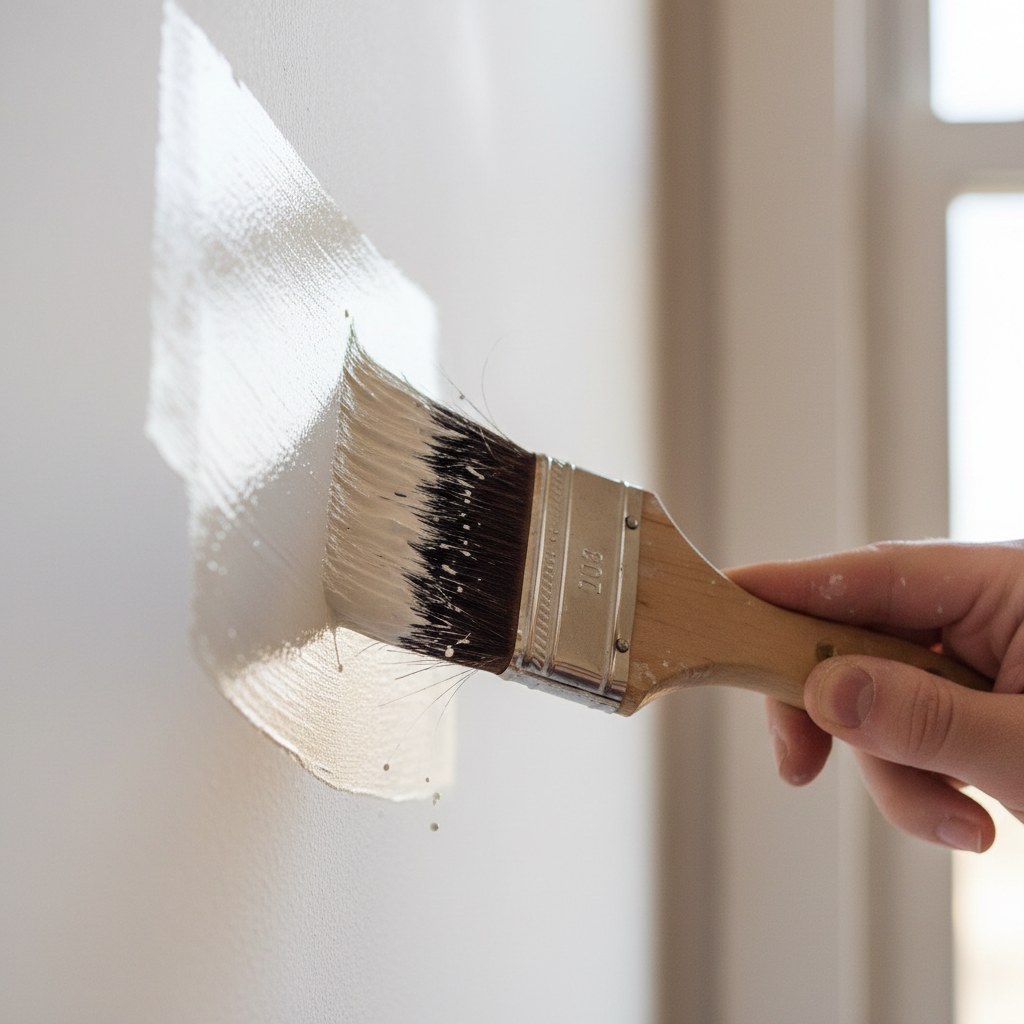
The finish of your paint can dramatically affect the look of your room. The main finishes include matte, eggshell, satin, semi-gloss, and gloss.
Matte finishes are great for hiding imperfections on walls but can be harder to clean. Eggshell and satin finishes provide a slight sheen and are easier to clean, making them suitable for living rooms and bedrooms.
Selecting the Perfect Color
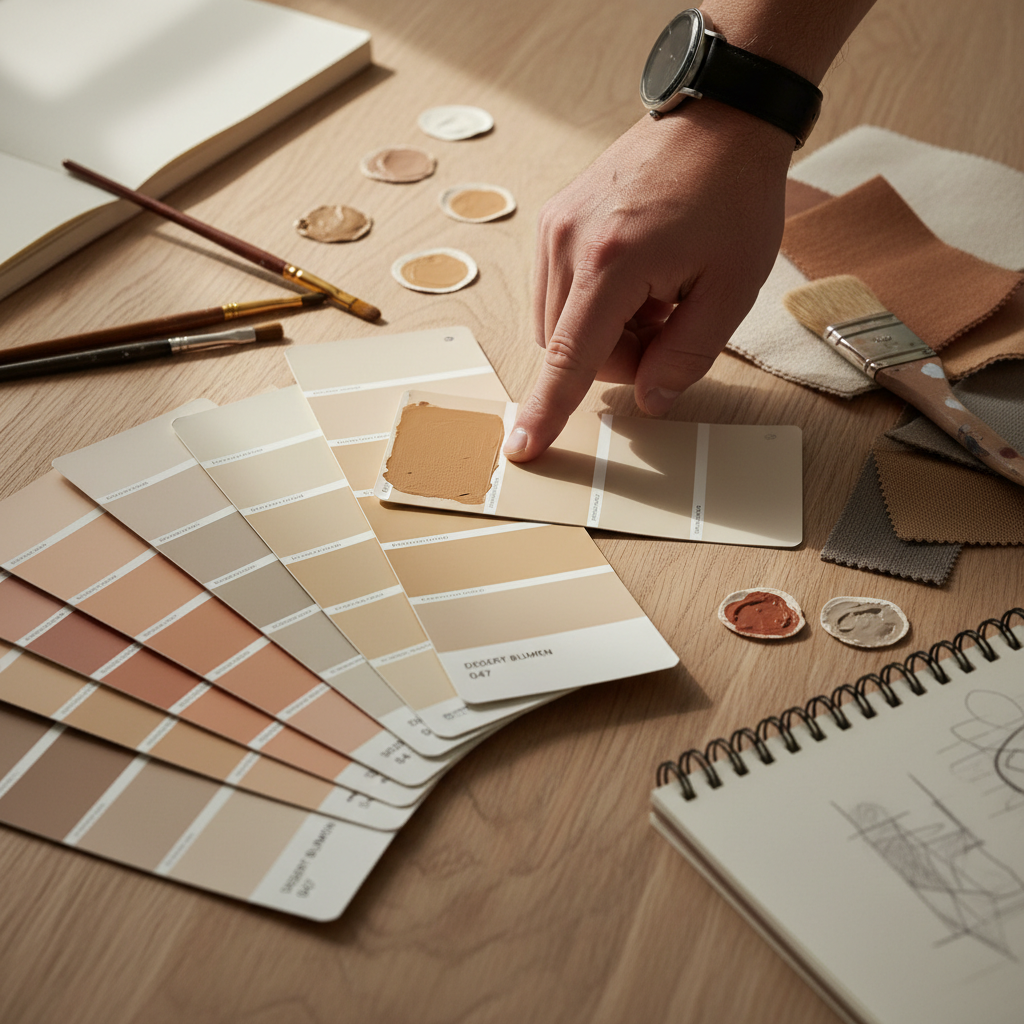
Color is a personal choice, but understanding color psychology can help you create the desired atmosphere in your home. Warm colors like reds and yellows can energize a space, while cool colors like blues and greens can create a calming effect.
Consider the natural light in your room when choosing a color. Rooms with plenty of sunlight can handle darker shades, while dimly lit rooms benefit from lighter hues. Testing samples on your wall before committing can save time and ensure satisfaction.
Preparing Your Surfaces
Proper preparation is key to a successful paint job. Begin by cleaning the walls to remove dirt and grease. Fill any holes or cracks with spackle and sand the surface smooth. Applying a primer can help the paint adhere better and last longer.
Use painter’s tape to protect trim and edges. This step will provide clean lines and a professional finish. Ensuring your surfaces are fully prepared will optimize the performance and appearance of your paint.
Tools and Techniques
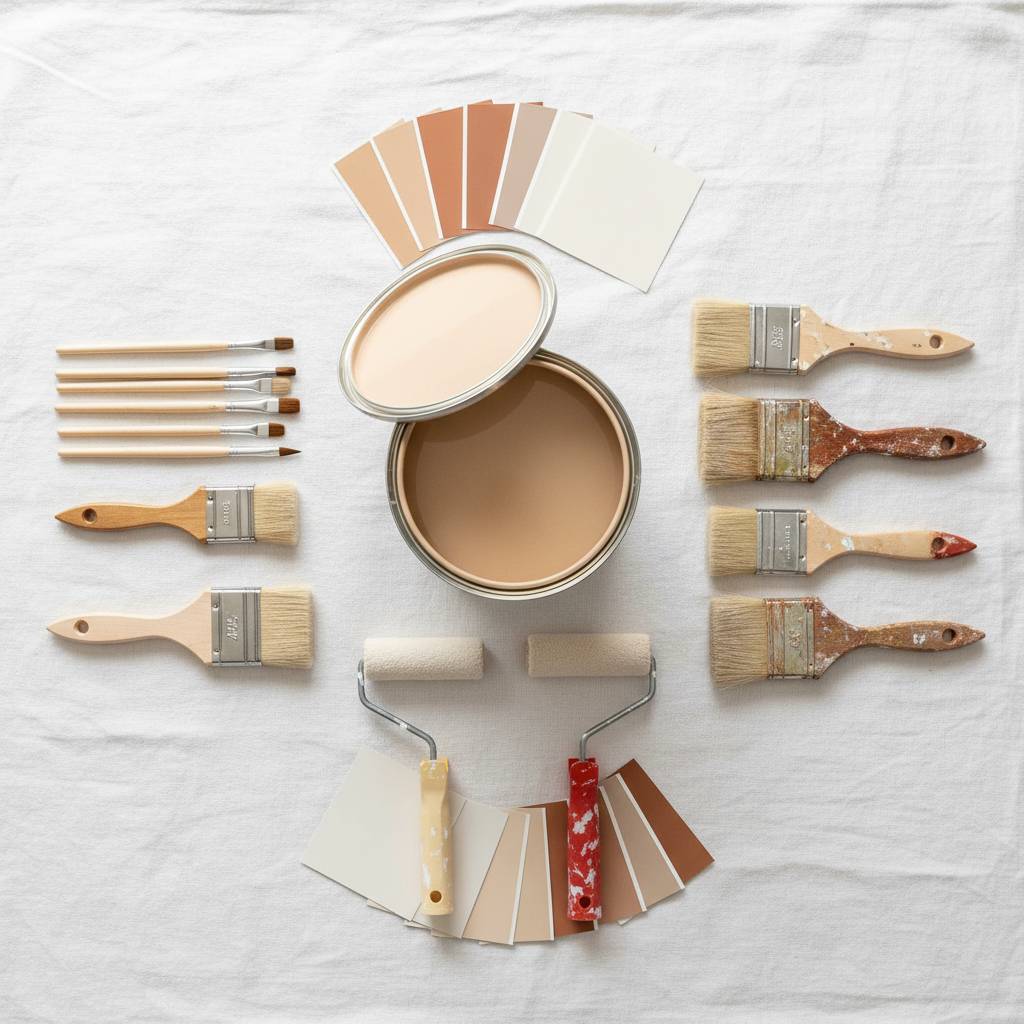
The right tools can make all the difference. Invest in quality brushes and rollers for a smoother application. Use a brush for cutting in edges and a roller for larger areas.
Employing proper techniques, such as using long, even strokes and maintaining a wet edge, will help achieve an even, streak-free finish. Don’t rush the process; patience and precision are key.
Environmentally Friendly Options
If sustainability is a concern, consider choosing low-VOC or zero-VOC paints. These options release fewer volatile organic compounds, making them better for both your health and the environment.
Many brands now offer eco-friendly lines, which don’t compromise on quality or color. These paints are especially beneficial for nurseries and bedrooms.
Budget Considerations
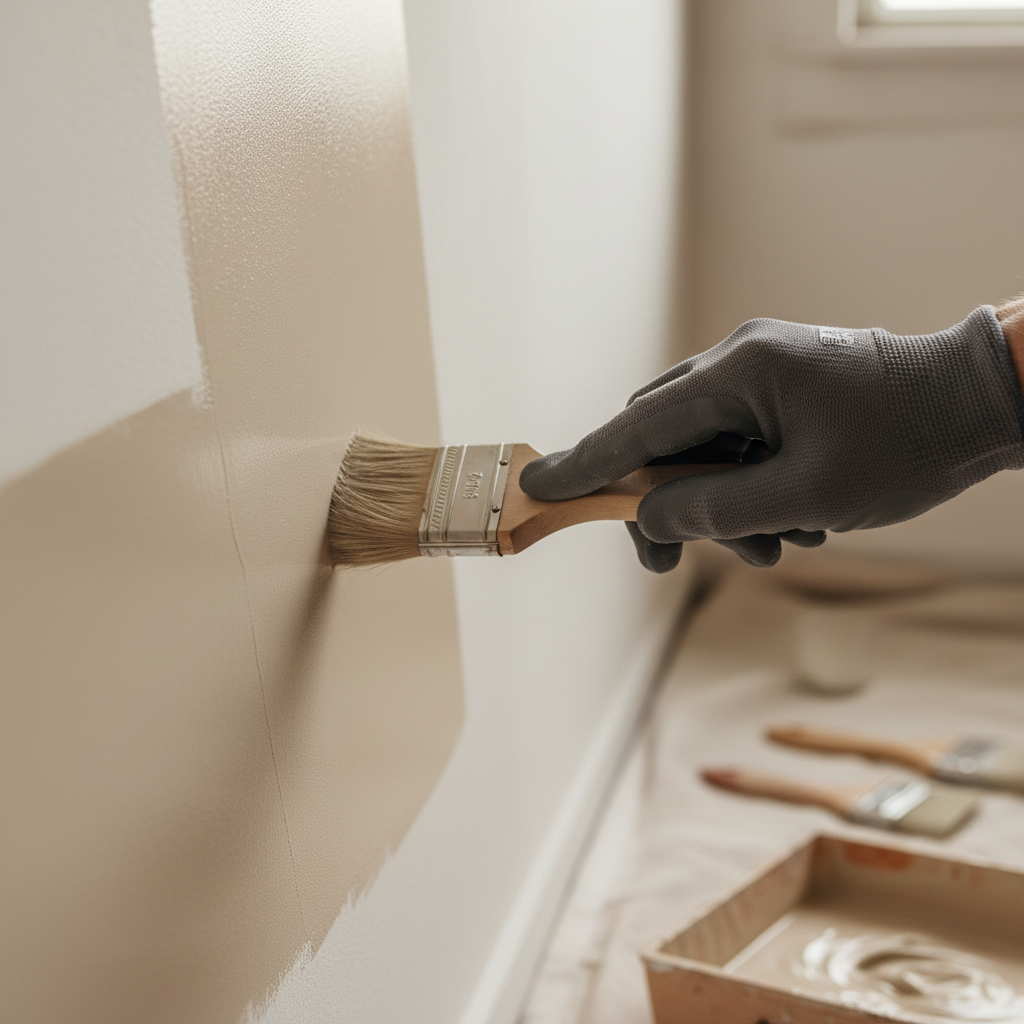
Your budget will inevitably influence your choices. High-quality paints may cost more upfront but often require fewer coats and provide a longer-lasting finish, offering better value over time.
Compare prices and reviews to find a balance between cost and quality. Sometimes, investing a little more can significantly enhance the look and durability of your paint job.
Final Thoughts
Choosing the right paint for your home involves a combination of preference, practicality, and budget. By considering the type, finish, color, and environmental impact, you can transform your home into a space that reflects your style and meets your needs.
Remember, a fresh coat of paint is one of the easiest and most cost-effective ways to refresh your home. Take your time with the selection process to ensure you're delighted with the results.